No products in the cart.

Broader Growth Fuels Stock Market Surge
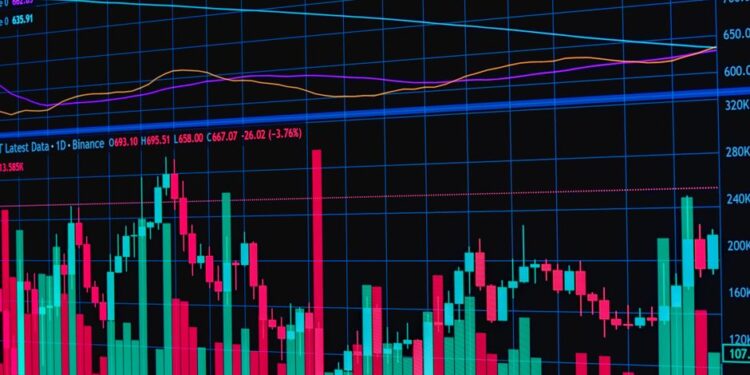
This analysis comes at a pivotal time when many economies are showing signs of recovery post-pandemic. With inflation rates stabilizing and consumer spending increasing, the potential for growth across various sectors is becoming evident. Investment professionals must now consider how these macroeconomic factors will shape market trends in…

Broader economic growth can greatly affect stock market investments, as noted by UBS’s Hoffmann. He recently stated that a strong economy often leads to higher stock valuations, creating new opportunities for investment analysts and portfolio managers. Understanding these dynamics is crucial for effective investment strategies.
This analysis is timely, as various economies are in different stages of recovery following the pandemic. Analysts suggest that inflation rates may stabilize and consumer spending could increase as economies improve. The potential for growth across various sectors is becoming clearer, and investment professionals must consider how these macroeconomic factors will shape market trends in the coming months. A Bloomberg report highlights that the resurgence of consumer confidence may drive this growth, with households potentially increasing their spending and fueling demand across multiple sectors.
Impact of Economic Growth on Stock Valuations
Economic growth can lead to increased corporate earnings, which may drive stock prices higher. Analysts suggest that when GDP growth accelerates, companies often report better-than-expected earnings, attracting more investors and creating a positive feedback loop. Rising stock prices can boost consumer confidence and spending. UBS’s research indicates that during periods of strong economic performance, sectors such as technology and consumer discretionary may outperform due to their connection with consumer spending.
For example, technology and consumer discretionary sectors often benefit during economic expansions, as companies in these areas may see a surge in demand for their products and services. Investment analysts should focus on these sectors when evaluating potential stock picks in a growing economy. UBS’s analysis also points out that sectors like renewable energy and healthcare could see growth as governments potentially increase spending in these areas. This trend aligns with the growing emphasis on sustainability and health, which are priorities for both consumers and policymakers.
Understanding the link between economic indicators and stock performance is essential for investment professionals. Analysts should monitor key metrics that may include GDP growth rates, unemployment figures, and consumer confidence indices, as these indicators provide insights into which sectors might outperform in a growing market. Historical data suggests that periods of economic expansion often coincide with bullish market trends.
Analysts should monitor key metrics that may include GDP growth rates, unemployment figures, and consumer confidence indices, as these indicators provide insights into which sectors might outperform in a growing market.
Additionally, monetary policy plays a crucial role. Central banks, such as the Federal Reserve, adjust interest rates based on economic growth, which can impact stock valuations. Lower interest rates may encourage borrowing and investing, stimulating economic activity and stock market performance. Analysts must stay alert to these policy changes, as they can quickly affect market sentiment.
Strategies for Portfolio Diversification in a Growing Market
As economies grow, portfolio managers must adapt their strategies to reduce risks while seizing growth opportunities. Analysts suggest that diversification is key to managing potential volatility in the stock market. By spreading investments across various sectors, portfolio managers can protect their portfolios from downturns in specific areas. This approach is especially relevant in a growing economy, where some sectors may outperform others due to changing consumer preferences and economic conditions.
In a growing market, increasing exposure to cyclical stocks may be advisable. These stocks typically perform well during economic expansions and include industries like automotive, construction, and travel. However, maintaining a balance with defensive stocks is also important, as these can provide stability during economic uncertainties. Recent market trends suggest that while cyclical stocks may offer higher returns, defensive stocks can buffer against market corrections, keeping portfolios resilient.
Moreover, incorporating alternative investments like real estate or commodities can enhance portfolio resilience. These assets often behave differently than stocks and can hedge against inflation, which may be a concern in rapidly growing economies. Portfolio managers should evaluate their allocation strategies to ensure they benefit from both growth and stability. According to UBS’s Hoffmann, staying informed about market predictions and adjusting portfolios is crucial for navigating a growing economy. This proactive approach can lead to better long-term investment outcomes, allowing managers to capitalize on emerging trends while minimizing risks.
Portfolio managers should evaluate their allocation strategies to ensure they benefit from both growth and stability.
Ultimately, understanding the nuances of economic growth and its effects on stock market performance will help investment analysts and portfolio managers refine their strategies. By staying attuned to market trends and adjusting portfolios as needed, they can navigate the complexities of a growing economy. Anticipating shifts in market dynamics will be key to success in the investment landscape moving forward.
The effects of broader economic growth extend beyond individual investment strategies. As economies recover, various industries may feel the impact, influencing employment rates and consumer spending patterns. Investment analysts must consider how these factors can affect market sentiment and stock performance. For instance, as companies report stronger earnings, investor confidence in the stock market may rise, potentially leading to higher inflows into equity funds and pushing stock prices up. Conversely, if economic growth stalls or contracts, it may trigger a sell-off in the markets, impacting investment returns.
Analysts emphasize that investment professionals should also monitor geopolitical factors that could influence economic growth. Trade policies, regulatory changes, and international relations significantly shape market dynamics. Being aware of these external factors allows analysts to make informed investment decisions. As the global economy becomes more interconnected, comprehensive analysis and strategic foresight are essential. Investment analysts must leverage data and insights to anticipate market movements and position their portfolios accordingly. This proactive stance will be vital in navigating a rapidly changing economic landscape.
In light of these developments, the question remains: How will investment strategies evolve to meet the challenges and opportunities presented by broader economic growth? As markets continue to shift, investment professionals must stay agile and responsive to the changing landscape.
Frequently Asked Questions
What sectors are likely to benefit from broader economic growth?
Analysts suggest that sectors such as technology, consumer discretionary, renewable energy, and healthcare may benefit significantly from broader economic growth, as these sectors often see increased demand and profitability during economic expansion.
Investment analysts should focus on key indicators such as GDP growth rates, unemployment figures, and consumer confidence indices, as these metrics provide valuable insights into the overall economic environment and potential stock performance.
How should portfolio managers adjust their strategies in response to market predictions?
Portfolio managers should consider increasing exposure to cyclical stocks and diversifying across various sectors to reduce risks. Including alternative investments can also enhance portfolio resilience in a growing market.
What indicators should investment analysts monitor for signs of economic growth?
Investment analysts should focus on key indicators such as GDP growth rates, unemployment figures, and consumer confidence indices, as these metrics provide valuable insights into the overall economic environment and potential stock performance.
Written by Career Ahead AI. AI can make mistakes, so verify key facts. Report errors to support@careeraheadonline.com.