Chancellor John Healey is offering families cost-of-living help, including a one-off £100 energy payment for qualifying homes from January.
Energy support combines a payment with bill changes
Households in council tax bands A to D in England qualify for a one-off £100 Household Energy Payment from January. Extra tax on banks funds the payment. Some forecasts suggest a typical annual energy bill could reach £2,100, around £400 higher. The VAT cut on electricity bills, introduced in October and due to end in April, is extended to July. That gives households more time with the reduced VAT rate, alongside the direct payment for those who meet the council tax band rule.¹²
Gas standing charges—the fee for connecting to a gas supply—are due to be scrapped in England, Scotland and Wales next year, or as soon as possible after. The Treasury calculates that 60% of households save an average of £45 a year under the change. Lower users gain the most, so the average saving does not describe what every household receives. The change concerns the fixed charge for access to a gas supply, rather than a payment available only to households in a particular council tax band.¹
Gas standing charges—the fee for connecting to a gas supply—are due to be scrapped in England, Scotland and Wales next year, or as soon as possible after.
The fuel-duty cut stays in place as fuel costs rise
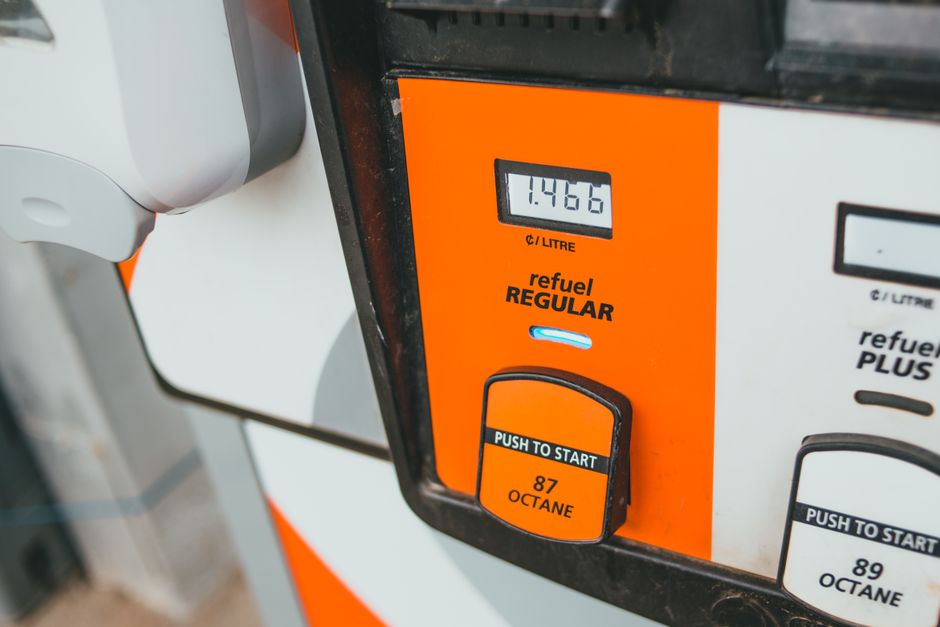
The 5p temporary cut in fuel duty on petrol and diesel, introduced in 2022, is extended through the same month as the electricity VAT cut. Drivers continue to pay the levy at 52.95p per litre. The extension keeps the existing reduction in place; it does not remove fuel duty. The amount paid at the pump still includes the levy, at the stated per-litre rate.¹
 News
Rising Fuel Costs Deter Meal Delivery Drivers
Rising fuel costs are affecting meal delivery services globally, making it difficult to attract volunteers for essential community support roles. Organizations like Meals on Wheels…
Read More →Diesel recently moved above £2 per litre, setting new records. Filling a typical family car with diesel costs around £30 more than it did in late February, while a tank of petrol costs about £23 more. Those increases sit alongside the duty cut: the lower levy does not mean the total cost of filling a vehicle has stayed level.¹

Minimum wages and state pensions rise
Minimum wage rates rise by 3.9% in April. Eligible workers aged 21 and over on the National Living Wage receive £13.21 an hour, up from £12.71. For workers aged 18, 19 or 20, the National Minimum Wage increases to £11.27 an hour from £10.85. Workers aged 16 or 17 receive £8.31 an hour, up from £8. The apprentice rate also reaches £8.31, from £8, for eligible people under 19 or people over 19 in the first year of an apprenticeship.¹
The flat-rate state pension for people who reached state pension age after April 2016 becomes £250.70 a week, or £13,036.40 a year, an increase of £488. People who reached state pension age before then receive the old basic state pension of £192.10 a week, or £9,989.20 a year, up £374.40. Chancellor John Healey said pensioners with income up to the value of the state pension would not be taxed until at least 2030, under a new Pension Tax Allowance.¹
Cash Isa limits stay unchanged under the scrapped plan
The chancellor scrapped a plan to reduce the annual amount people could save tax-free in cash in an Individual Savings Account, or Isa. Under the cancelled proposal, people under 65 would have faced a £12,000 annual cash limit from April 2027, instead of £20,000. The government plans a new Starter Isa for first-time investors. That is the replacement measure described alongside the decision to drop the proposed cash limit.¹²
Savings tax rates rise by four percentage points to 24% and 44% respectively from April. The annual savings income allowance—the interest people can receive on savings—remains a separate threshold in the figures given: £1,000 for basic-rate taxpayers and £500 for higher-rate taxpayers. The announced rate changes and the allowances apply to different parts of savings income, so the rate increase does not remove those stated annual allowances.¹
 News
US Borrowing Costs Surge, UK Bond Yields Hit 6%
US government borrowing costs have surged to their highest levels since 2002, with significant implications for investors as UK 30-year bond yields reach 6%.
Read More →The flat-rate state pension for people who reached state pension age after April 2016 becomes £250.70 a week, or £13,036.40 a year, an increase of £488.
Pay rises and savings tax shift your next move
If you are aged 21 or over and earn the National Living Wage, your hourly rate rises to £13.21 in April, up from £12.71. That 3.9% increase sets a new floor for what you should accept in any job offer or annual review. If you are 18 to 20, the floor is £11.27 an hour. Use these figures as your baseline when negotiating, and check that any role you take pays at least the rate for your age band.¹
Fuel costs now cut deeper into take-home pay: diesel is above £2 a litre, and filling a typical family car costs about £30 more than in late February. If your job requires driving, factor that into your commute budget or ask about travel allowances. Separately, savings tax rates rise to 24% and 44% from April, while the £1,000 basic-rate interest allowance stays. Keep savings interest within that allowance to avoid the higher rate.¹
Sources
Written by Career Ahead AI. AI can make mistakes, so verify key facts. Report errors to support@careeraheadonline.com