
Starting your first job at 21 can be exciting but also overwhelming. For many young professionals, this milestone marks the start of building a credit score. A good credit history is vital for future financial opportunities, like loans for cars or homes. Career Ahead’s analysis shows that young adults can build credit without taking on unnecessary debt.
Many recent graduates may not realize how important their credit score is until they need to make big purchases. Establishing a responsible credit track record early can make it easier to access credit later. Using manageable credit products wisely is key to building a strong credit profile.
Understanding Credit Scores and Their Importance
A credit score is a number that shows an individual’s creditworthiness. It is based on credit history, including payment history, credit utilization, and types of credit accounts. For young professionals, a good credit score can lead to better loan terms, lower interest rates, and even job opportunities in some fields.
Research from the US Chamber of Commerce shows that about 70% of employers check credit scores during hiring. This trend highlights the importance of maintaining a good credit score early in one’s career. Young professionals who build their credit scores may have an advantage when applying for jobs or loans. A strong credit score can also influence loan terms, potentially saving them thousands in interest payments over time.
Building a credit score early can help young adults avoid challenges later in life. Career Ahead’s analysis notes that individuals with a solid credit history are more likely to receive favorable loan and credit card terms. This can lead to significant savings over time. It is crucial for recent graduates to prioritize their credit-building efforts. Understanding the factors that influence credit scores can help young professionals make informed financial decisions. By focusing on timely payments and responsible credit use, they can ensure their credit scores reflect their reliability.
Therefore, a proactive approach to credit management is essential for long-term success.
Young adults should also know that credit scores are not static; they can change based on financial behavior. A single late payment can hurt a credit score, while consistent on-time payments can improve it. Therefore, a proactive approach to credit management is essential for long-term success.
 Career Tips
Why a 780 Credit Score Doesn’t Guarantee Home Loan Approval
A 780 credit score may seem ideal, but various factors can lead to home loan rejection. Understanding what lenders evaluate beyond credit scores is essential…
Read More →Effective Strategies for Building Credit Without Debt
One effective way for young professionals to build credit is by starting with a secured credit card. This card requires a cash deposit as collateral, making it easier for those with no credit history to qualify. Experts recommend using a secured credit card for regular expenses and paying the balance in full each month. This helps establish a positive credit history and encourages financial discipline.
Career Ahead research shows that using credit responsibly is more important than the number of credit products one has. Young professionals should focus on using their credit card for manageable expenses, like groceries or gas, and pay off the balance on time. This approach builds credit and fosters healthy financial habits. Additionally, young adults should keep their credit utilization ratio low—ideally below 30% of their available credit limit—as this is a key factor in credit scoring.
Another option for recent graduates is to become an authorized user on a family member’s credit card. This allows them to benefit from the primary cardholder’s credit history without being responsible for payments. It can help build a credit profile while minimizing financial risk. However, it is essential to choose a responsible primary cardholder, as their behavior will impact the young professional’s credit score.

However, it is essential to choose a responsible primary cardholder, as their behavior will impact the young professional’s credit score.
Young professionals can also explore alternative credit-building options, like credit-builder loans. These loans are designed for individuals looking to establish or improve their credit scores. By making regular payments, graduates can show lenders their creditworthiness. This method can be especially beneficial for those without access to traditional credit products.
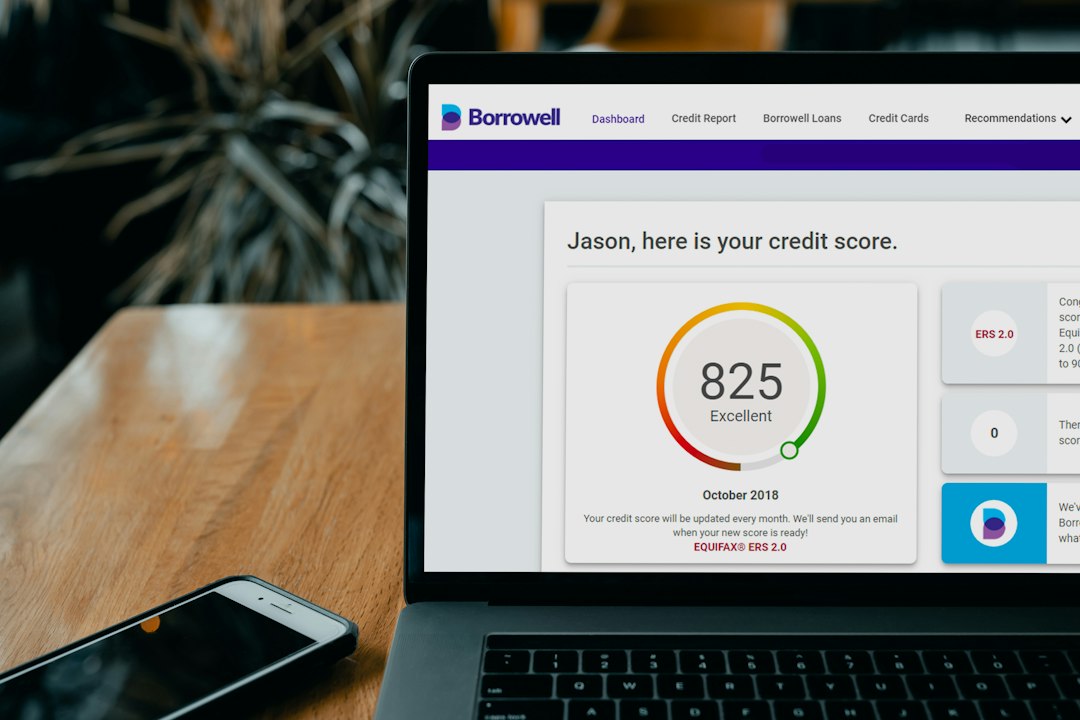
Once a young professional starts building credit, monitoring their credit score regularly is essential. Many financial institutions and credit bureaus offer free credit monitoring services. These services allow individuals to track their credit scores and receive alerts about changes. This proactive approach can help identify potential issues before they become significant problems. Career Ahead’s analysis finds that many young adults are unaware of how their financial habits affect their credit scores. For example, maintaining a low credit utilization ratio—ideally below 30%—can positively impact credit scores. Young professionals should keep their credit card balances low relative to their limits.
UPI vs Credit Cards: Pick Your Payment Strategy
As digital payments evolve, understanding the differences between UPI and credit cards is crucial for effective financial management. This article delves into their unique benefits,…
Read More →Being mindful of payment due dates is also crucial. Setting up reminders or automatic payments can help ensure bills are paid on time. Consistent on-time payments are one of the most significant factors in determining creditworthiness. In addition to monitoring credit scores, young professionals should be cautious about applying for new credit. Each new credit application results in a hard inquiry on the credit report, which can temporarily lower the credit score. Therefore, it is wise to limit new credit applications and only apply when necessary.
Overall, building a strong credit score as a recent graduate is possible and essential for long-term financial health. By starting early and using credit responsibly, young professionals can set themselves up for success. The habits they establish now will help them navigate larger financial decisions in the future. As the financial landscape evolves, recent graduates must stay informed about credit management. The strategies they adopt today can significantly impact their future borrowing power and overall financial stability. With the right approach, they can build a solid credit foundation that benefits them for years.
Frequently Asked Questions
How can recent graduates build credit without a credit card?
Recent graduates can build credit without a credit card by using secured credit cards, becoming authorized users on family accounts, or taking out credit-builder loans. These options help establish a credit history while managing financial risk.
Young professionals should focus on timely payments, maintaining low credit utilization, and regularly monitoring their credit scores.
What are the best practices for young professionals to manage their finances?
Young professionals should focus on timely payments, maintaining low credit utilization, and regularly monitoring their credit scores. Establishing good financial habits early can lead to a stronger credit profile and better financial opportunities in the future.
What should recent graduates do about building credit before applying for loans?
Before applying for loans, recent graduates should ensure they have a positive credit history by making timely payments on existing credit accounts. They can also consider using credit-building tools and monitoring their credit scores to prepare for future borrowing.
 Career Tips
Recognize Bad Debt Before It Drains Your Finances
As of September 2026, rising interest rates are significantly impacting young professionals, particularly graduates burdened by student loans. This article explores the transition from manageable…
Read More →Written by Career Ahead AI. AI can make mistakes, so verify key facts. Report errors to support@careeraheadonline.com.