No products in the cart.

Rolls-Royce Targets Higher Prices for Increased Profits
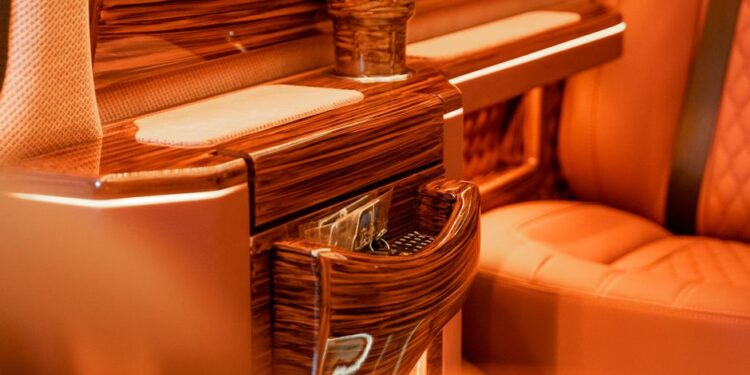
Rolls-Royce is shifting its focus towards high-priced custom vehicles, reflecting a broader trend in the luxury automotive market.

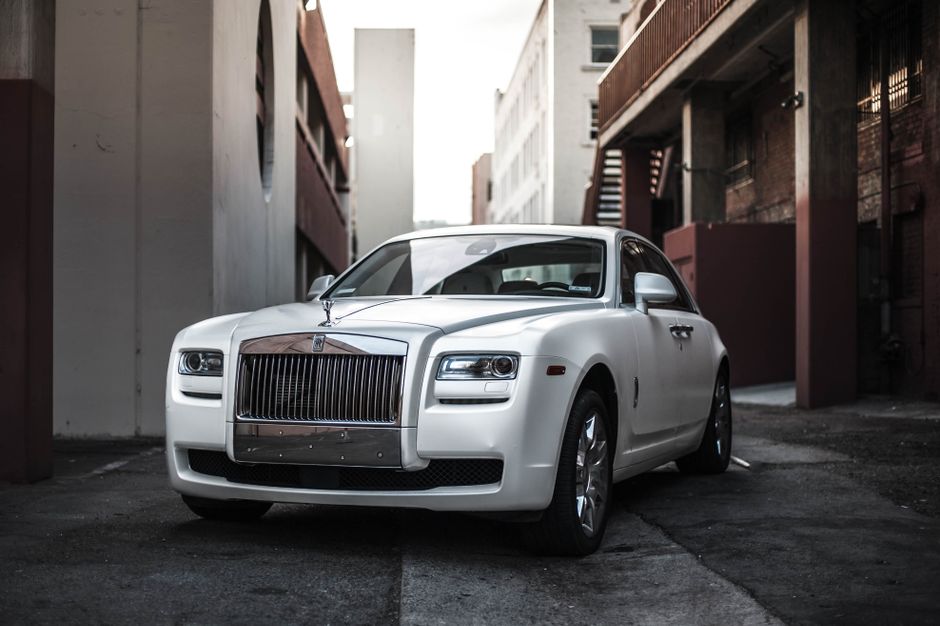
United Kingdom — Rolls-Royce has announced a strategic shift towards high-priced custom vehicles, expanding its factory in Britain to focus on bespoke designs. This change will debut with a $3.5 million electric roadster, marking a significant pivot from mass production to exclusive, luxury offerings. The decision reflects the company’s aim to capitalize on the growing demand for personalized vehicles among affluent consumers.
This transformation in Rolls-Royce’s business model is not just about creating high-end cars; it also symbolizes a broader trend in the luxury automotive market. As wealth distribution shifts and high-net-worth individuals seek unique products, the demand for customized vehicles is surging. This trend has profound implications for luxury car design engineers and automotive marketing specialists who must adapt their skills and strategies to meet the evolving expectations of wealthy clients.
Demand for Specialized Design Skills
As Rolls-Royce pivots to high-end custom vehicles, the need for specialized design skills is becoming more critical. Designers will need to focus on bespoke techniques that cater to individual client preferences, including unique interior materials and personalized features that enhance exclusivity. The emphasis on customization means that designers must engage directly with clients, understanding their visions and translating them into tangible designs.
Designers must also integrate advanced technology into their bespoke offerings. For instance, the new electric roadster will likely incorporate cutting-edge electric vehicle technology while maintaining the brand’s signature luxury appeal. Balancing innovation with traditional craftsmanship is essential to ensure that each vehicle reflects the brand’s heritage while appealing to modern sensibilities. According to a report by The New York Times, this shift towards bespoke vehicles is a strategic move to enhance the brand’s prestige and exclusivity.
Moreover, the customization trend extends to performance features as well. Designers must collaborate closely with engineering teams to create vehicles that not only look unique but also deliver exceptional driving experiences tailored to the owner’s specifications. This collaboration will require new skills, including project management and client engagement, which are essential in the bespoke automotive design process. The complexity of these projects means that designers will need to be versatile, often juggling multiple aspects of design and engineering to meet client expectations.
This collaboration will require new skills, including project management and client engagement, which are essential in the bespoke automotive design process.
You may also like
 Industry & Global Trends
AI Powers Global Banking Cyber Threats
South Korea's banking sector is facing a new wave of cyber threats linked to artificial intelligence (AI), with President Lee Jae Myung revealing that AI…
Read More →The shift towards customization also highlights the importance of sustainability in luxury vehicle design. As consumers become more environmentally conscious, luxury brands like Rolls-Royce are expected to incorporate sustainable materials and practices into their bespoke offerings. This adds another layer of complexity to the design process, as engineers must find innovative ways to create luxurious yet eco-friendly vehicles. The integration of sustainable practices is not just a trend but a necessity in maintaining relevance in a market increasingly driven by eco-conscious consumers.
Innovative Marketing for Luxury Vehicles
With Rolls-Royce’s shift towards high-priced custom vehicles, automotive marketing specialists must rethink their strategies to effectively reach affluent consumers. Traditional marketing approaches may not resonate with high-net-worth individuals who prioritize exclusivity and personalization. Instead, marketers need to create tailored experiences that reflect the unique desires of each client, moving away from one-size-fits-all tactics to more personalized engagement strategies.
Storytelling will play a crucial role in this new marketing landscape. Luxury brands thrive on narratives that emphasize craftsmanship, heritage, and the bespoke nature of their products. Marketers must craft compelling stories that highlight the individuality of each vehicle, showcasing the design process and the personal touch that goes into creating a custom Rolls-Royce. This narrative-driven approach can help establish a deeper connection with potential buyers, making the purchasing experience more meaningful. As noted in a recent article from The New York Times, the luxury market is increasingly about the experience and the story behind the product rather than just the product itself.
Furthermore, as the market for luxury electric vehicles expands, marketing strategies must adapt to highlight both performance and sustainability. Consumers are increasingly interested in the environmental impact of their purchases, and luxury brands must communicate how their products align with these values. This may involve emphasizing the use of sustainable materials, innovative technologies, and the brand’s commitment to reducing its carbon footprint. The challenge for marketers will be to convey these messages in a way that resonates with affluent clientele, who often have discerning tastes and high expectations.
Digital marketing will also play a pivotal role in reaching today’s affluent consumers. With the rise of online shopping and social media, luxury brands must establish a strong digital presence. This includes utilizing platforms that cater to high-net-worth individuals, offering virtual tours of bespoke vehicles, and engaging potential clients through personalized online experiences. Marketers will need to be adept at using data analytics to understand consumer behavior and tailor their strategies accordingly. The integration of technology into marketing efforts will be essential for luxury brands aiming to maintain a competitive edge in a rapidly evolving marketplace.
The ability to adapt to consumer preferences and leverage innovative technologies will be key to success in this new landscape.
Implications for the Luxury Automotive Sector
You may also like
 Industry & Global Trends
US Solar Panel Makers Try to Catch China With a Big Leap
As of October 2026, US solar panel manufacturers are making significant strides in technology, particularly with tandem solar panels, to enhance efficiency and regain market…
Read More →As Rolls-Royce embraces this new direction, the implications for the luxury automotive sector are significant. The focus on bespoke vehicles is likely to drive competition among luxury brands, prompting them to enhance their customization offerings and marketing strategies. This shift could lead to a broader transformation in the automotive industry, where personalization becomes the standard rather than the exception. Luxury car design engineers and marketing specialists must stay ahead of these trends to remain competitive in the evolving market. The ability to adapt to consumer preferences and leverage innovative technologies will be key to success in this new landscape.
What remains to be seen is how other luxury brands will respond to Rolls-Royce’s strategic shift. Will they follow suit and invest in bespoke offerings, or will they maintain their traditional production models? The answers to these questions could shape the future of the luxury automotive market in the coming years.
Frequently Asked Questions
What skills are needed for luxury car design in the current market?
Luxury car designers must possess advanced skills in bespoke design techniques, sustainable practices, and collaboration with engineering teams. They should also be proficient in integrating cutting-edge technology while maintaining the brand’s luxury appeal.
Luxury car designers must possess advanced skills in bespoke design techniques, sustainable practices, and collaboration with engineering teams.
How can automotive marketing specialists adapt to the shift towards high-end custom vehicles?
Automotive marketing specialists can adapt by focusing on storytelling, creating tailored experiences, and leveraging digital marketing strategies. Understanding affluent consumers’ preferences and emphasizing personalization will be crucial.
What should luxury car designers do to stay relevant in the electric vehicle market?
Luxury car designers should focus on integrating sustainable materials and technologies into their designs while maintaining the brand’s signature luxury. Collaboration with engineering teams to create unique, high-performance electric vehicles will be essential.
You may also like
 Industry & Global Trends
Škoda Auto India Aims for Record Sales Growth
Škoda Auto India is targeting an 8-10% growth in sales for the current year, aiming to achieve its highest-ever sales volume.
Read More →