No products in the cart.

Building Autonomous Agents: A New Frontier in AI
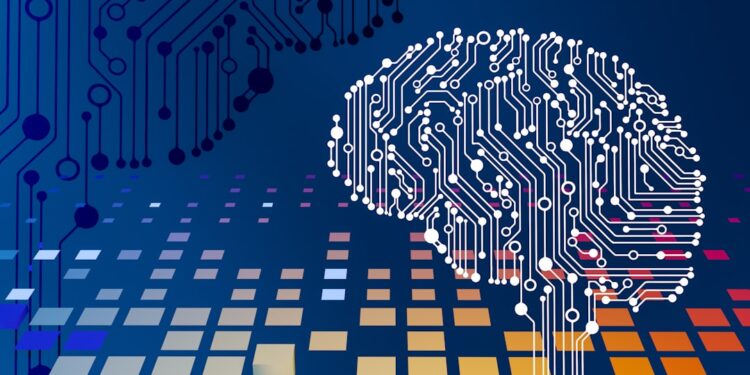
This article explores the architecture and implications of hybrid-memory autonomous agents, focusing on their modular design and potential impact on AI.

Advancements in Hybrid-Memory Autonomous Agents
The development of hybrid-memory autonomous agents marks a significant leap in artificial intelligence. These agents utilize a modular architecture that allows for advanced reasoning and memory capabilities. By integrating various tools and methods, they can operate autonomously while maintaining a connection to their environment.
This innovation is not just a technical achievement; it represents a fundamental shift in how we conceive of machine intelligence. The ability to remember and act based on past interactions enhances the functionality of AI systems, making them more useful in real-world applications.
Understanding the Architecture
The architecture of hybrid-memory agents combines semantic vector search with keyword-based retrieval. This dual approach enables the agent to reason effectively while recalling pertinent information. Each component of the architecture plays a vital role in ensuring the agent can operate seamlessly.
For instance, the use of a modular tool-dispatching loop allows the agent to adapt to various tasks. This flexibility is crucial in environments where the requirements can change rapidly. By leveraging advanced algorithms, these agents can provide accurate responses and perform complex tasks without human intervention.
Industry Applications and Societal Impact
The rise of hybrid-memory autonomous agents has profound implications for various industries. In sectors like healthcare, these agents can assist in patient management by recalling patient histories and suggesting treatments based on past data. This could lead to improved outcomes and more personalized care.
In sectors like healthcare, these agents can assist in patient management by recalling patient histories and suggesting treatments based on past data.
Moreover, in the automotive industry, manufacturers are exploring how these agents can enhance vehicle automation. By utilizing hybrid agents, cars can process information from their environment more effectively, leading to safer and more efficient driving experiences.
You may also like
 Entrepreneurship & Business
Marico Boosts Plix Stake to 84.09%; Q2 Revenue Surge Ahead
Marico has increased its stake in Satiya Nutraceuticals to 84.09%, a strategic move expected to enhance revenue growth amid rising consumer demand for health-focused products.…
Read More →As these technologies continue to evolve, they raise important questions about data privacy and security. The ability of agents to store and recall information means that sensitive data could be at risk if not managed properly. This necessitates robust measures to ensure that user data is protected while still allowing for the functionality of these advanced systems.
Addressing Challenges in AI Development
Despite the promising advancements, the development of hybrid-memory agents is not without challenges. One significant issue is the potential for bias in AI decision-making. If the data used to train these agents is flawed or biased, the agents may produce skewed results that could have serious consequences.
Additionally, there is an ongoing debate about the ethical implications of deploying autonomous agents. Critics argue that the increasing reliance on AI could lead to job displacement in various sectors. However, proponents believe that while some jobs may be lost, new opportunities will emerge as industries adapt to these technologies.
These contradictions highlight the need for careful consideration and regulation in the deployment of AI systems. Stakeholders must engage in discussions about the ethical use of AI and ensure that the benefits are equitably distributed across society.
Addressing Challenges in AI Development Despite the promising advancements, the development of hybrid-memory agents is not without challenges.
Preparing for the Future of AI
The future of hybrid-memory autonomous agents is both exciting and uncertain. As technology advances, these agents will likely become more sophisticated, capable of handling increasingly complex tasks. This could lead to their integration into everyday life, from personal assistants to critical decision-making systems in business.
However, the trajectory of this technology will depend on how society chooses to embrace it. Policymakers, technologists, and the public must work together to establish guidelines that promote ethical development and deployment. This collaborative approach will be essential in shaping a future where AI enhances human capabilities without compromising ethical standards.
You may also like
 Entrepreneurship & Business
College Students Shape the Future of A.I. Investment
College students are increasingly influencing the A.I. investment landscape, with initiatives like Dorm Room Fund raising substantial capital. This shift highlights the growing importance of…
Read More →
Furthermore, ongoing research and development will be crucial in addressing the challenges associated with hybrid agents. By investing in education and training, the workforce can be prepared for the changes that these technologies will bring.