No products in the cart.

Korea’s Manufacturers Invest in Config, the TSMC of Robot Data
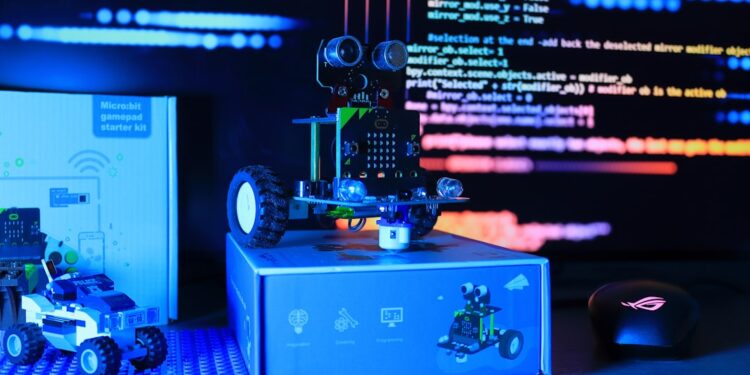
Korea’s largest manufacturers are investing in Config, a startup focused on robotics data. This move reflects a strategic shift in the robotics industry.

Transforming Robotics Through Data
Korea’s manufacturing sector is undergoing a transformation, particularly in robotics. Major corporations are pivoting towards advanced technologies that enhance productivity and efficiency. This shift is exemplified by the recent investment in Config, a startup that is being dubbed the TSMC of robot data. This analogy highlights the role of Config in revolutionizing how robots learn and operate, much like TSMC has transformed the semiconductor industry.
Founded in 2025, Config focuses on providing the data necessary for training robotic systems. Unlike traditional robotics companies that build robots, Config aims to streamline the data collection process. This focus on data is crucial, as the cost of gathering and labeling data for robotics is significantly higher than for software applications. According to TechCrunch, Config’s unique approach is attracting the attention of South Korea’s largest manufacturers, who see the potential for proprietary robotic AI development.
Major Investments Fueling Growth
The investment landscape in robotics is rapidly evolving, particularly in Asia. Major players like Samsung, Hyundai, and LG have recognized the importance of investing in data-centric companies like Config. This trend is fueled by the need for more sophisticated robotics that can operate in various environments, from manufacturing floors to agricultural fields. The $27 million seed round led by Samsung Venture Investment is a testament to the confidence these giants have in Config’s model.
As reported by TechCrunch, the funding will enable Config to scale its operations significantly. The goal is to increase the amount of collected human motion data from 100,000 hours to one million hours. This expansion is critical for developing more effective robotic systems that can learn from diverse datasets. Furthermore, the backing from established manufacturers provides Config with not just capital, but also strategic partnerships that can enhance its market position.
This expansion is critical for developing more effective robotic systems that can learn from diverse datasets.
The Critical Role of Data
Data is the lifeblood of modern AI and robotics. Config’s approach to transforming raw human motion data into actionable insights is a game changer. The startup’s methodology emphasizes the importance of data quality over quantity, ensuring that the robots trained on this data can perform tasks effectively in real-world scenarios. This contrasts with traditional methods where models are trained on generic data sets, often leading to suboptimal performance.
You may also like
 Entrepreneurship & Business
Etched fields funding offers at $40B+ valuation, sources say
Etched Fields is in talks for funding offers valuing the company at over $40 billion, reflecting a significant shift in the funding landscape for AI…
Read More →According to insights from countryreports.org, South Korea’s strong emphasis on technology and innovation has positioned it as a leader in the robotics field. The country’s robust manufacturing base provides a unique advantage, allowing companies like Config to leverage existing infrastructures while innovating in data collection and processing. This synergy between manufacturing and data-centric robotics is likely to accelerate advancements in the sector.
Challenges in the Robotics Investment Landscape
While the investment in Config signals optimism in the robotics sector, there are underlying challenges and contradictions. For instance, the high costs associated with data collection and processing can deter smaller companies from entering the market. This creates a potential barrier to entry, limiting competition and innovation in the long run. As highlighted by 90daykorean.com, South Korea’s focus on large-scale manufacturing can sometimes overshadow smaller startups, which may struggle to gain visibility and funding.

Furthermore, there is an ongoing debate about the reliance on proprietary data versus open-source data in robotics. While proprietary data can lead to enhanced performance, it may also create silos that hinder collaboration across the industry. The balance between proprietary and open-source approaches will be crucial as the sector evolves. Companies must navigate these waters carefully to foster innovation while maintaining competitive advantages.

Prospects for the Future of Robotics in Korea
The future of Korea’s robotics industry looks promising, particularly with the backing of major manufacturers. As companies like Config continue to innovate, we can expect to see advancements in robot capabilities and applications. The integration of AI and robotics is likely to become more seamless, with robots taking on more complex tasks across various sectors.
Prospects for the Future of Robotics in Korea The future of Korea’s robotics industry looks promising, particularly with the backing of major manufacturers.
Moreover, the emphasis on data-driven decision-making will likely shape the industry’s trajectory. As companies invest in data infrastructure, the potential for breakthroughs in robotics will increase. This trend aligns with global movements towards automation and smart technologies, positioning Korea as a key player on the world stage.
However, the industry must remain vigilant about the challenges it faces, including the need for skilled workers and ethical considerations surrounding AI and robotics. As the market grows, so too will the demand for professionals who can navigate these complexities, making it an exciting time to be part of the robotics revolution.
You may also like
 Entrepreneurship & Business
Startups Captivating VCs at PearX Demo Day
The PearX program is renowned for its selective nature, capping its cohorts at just 20 startups. This approach facilitates focused mentorship and investment opportunities from…
Read More →