No products in the cart.

Building Influence Without a Title: Strategies for Early Career Success

Unlock the secrets to building influence at work without a title. Learn how to establish relationships and showcase your value early in your career.

New York, USA — In today’s competitive job market, establishing influence early in your career can set the stage for long-term success. Many young professionals find themselves navigating workplaces where titles do not always equate to power or respect. However, there are effective strategies to build influence without formal authority.
Building relationships is crucial. According to a study by the Harvard Business Review, professionals who invest time in cultivating strong relationships are more likely to advance in their careers. Networking isn’t just about exchanging business cards; it’s about creating genuine connections that can lead to mentorship and collaboration opportunities.

Thought leadership is another powerful tool. Sharing insights and expertise, even as a junior employee, can position you as a go-to resource in your organization. Platforms like LinkedIn allow you to publish articles and engage in discussions that showcase your knowledge. This visibility can enhance your reputation and attract the attention of decision-makers.
Micro-actions, or small, consistent behaviors, can also demonstrate your value. Simple gestures like offering to help colleagues with projects or volunteering for team initiatives can significantly impact how others perceive you. These actions not only build goodwill but also create a track record of reliability and competence.
Thought leadership is another powerful tool.
The Importance of Visibility
Visibility in the workplace is often overlooked. When you actively participate in meetings and contribute to discussions, you become more than just a name on an organizational chart. Research from the University of California, Berkeley, highlights that employees who engage regularly in team settings are more likely to be recognized for their contributions.
Moreover, visibility can extend beyond immediate colleagues. Engaging with senior leaders through informal channels, such as company events or social gatherings, can enhance your profile. A survey by LinkedIn found that 85% of jobs are filled through networking, emphasizing the importance of making connections at all levels.
You may also like
 Future Skills & Work
Long-Term Savings Essential for Retirement Security
Chief Economic Adviser V Anantha Nageswaran stresses the need for a cultural shift towards long-term pension investments, highlighting their crucial role in ensuring financial security…
Read More →Leveraging Feedback and Adaptability
Seeking feedback is another essential aspect of building influence. Regularly asking for input from peers and supervisors not only shows your commitment to growth but also opens doors for constructive criticism. This practice fosters an environment of collaboration and can lead to stronger relationships.
Adaptability is equally vital. The workplace is constantly evolving, and being flexible in your approach can set you apart. A report from McKinsey & Company notes that organizations that embrace change are more likely to thrive. By demonstrating your ability to pivot and embrace new challenges, you position yourself as an asset to your team.
Creating a Personal Brand
Developing a personal brand is another strategic move. Your brand is how others perceive you based on your actions, communication style, and expertise. Consistency is key; ensure that your online presence aligns with your professional persona. This includes maintaining an updated LinkedIn profile and engaging in industry-relevant conversations.
In addition, participating in professional organizations or community initiatives can amplify your brand. These platforms provide opportunities to showcase your skills and connect with like-minded individuals. A study by the American Psychological Association indicates that individuals who actively engage in community service report higher job satisfaction and career success.
Consistency is key; ensure that your online presence aligns with your professional persona.
Looking Ahead
As the workforce continues to evolve, the ability to influence without a title will become increasingly valuable. The rise of remote work and digital communication means that traditional hierarchies are less rigid. Young professionals must adapt to these changes by honing their relationship-building skills and leveraging technology to showcase their expertise.
You may also like
 Career Guidance
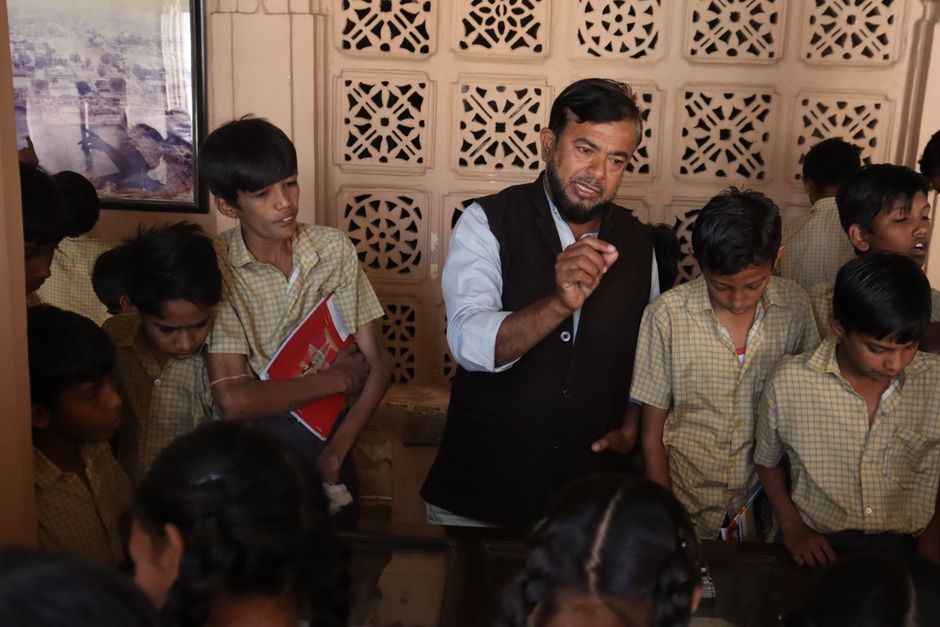
Gujarat Boosts Teachers with Career Guidance Training
Gujarat has initiated a comprehensive training program for teachers aimed at enhancing their ability to guide students in making informed career choices, addressing a critical…
Read More →Ultimately, the key to building influence lies in being proactive, approachable, and adaptable. By focusing on these strategies, you can carve out a space for yourself in any organization, regardless of your title. The future of work will reward those who can navigate complexities and foster connections—skills that are essential for career advancement.