Understanding Technical Analysis in Modern Trading
In the evolving world of finance, technical analysis plays a crucial role in shaping investment strategies. Investors and traders rely on data-driven insights to make informed decisions. With the rise of algorithmic trading, the need for robust technical analysis workflows has never been more pressing. This article explores how to build effective workflows using the pandas-ta-classic library, enhancing trading strategies and performance metrics.
Technical analysis involves analyzing historical price and volume data to identify patterns and trends. By leveraging indicators, traders can gauge market sentiment and predict future movements. The integration of technology into this process has streamlined data handling and analysis, making it accessible to a broader audience. As such, understanding how to effectively utilize these tools is vital for success in today’s fast-paced trading environment.
A robust backtesting framework is essential for validating trading strategies before deploying them in live markets. This validation process helps traders understand the potential risks and rewards associated with their strategies. By employing libraries like pandas-ta-classic, traders can automate the analysis of various indicators, allowing for a more comprehensive evaluation of their strategies.
Key Steps in Developing a Backtesting Workflow
Building a backtesting workflow requires a systematic approach that encompasses data acquisition, strategy development, and performance evaluation. The first step involves gathering historical data, which serves as the foundation for analysis. The pandas-ta-classic library simplifies this process by providing tools to download and clean historical price data from sources like Yahoo Finance.
Once the data is acquired, traders can begin implementing technical indicators such as Moving Averages (MA), Relative Strength Index (RSI), and Bollinger Bands. These indicators help identify entry and exit points in the market. For instance, a trader might decide to enter a position when the short-term MA crosses above the long-term MA, signaling a potential upward trend.
A well-structured backtesting workflow also includes risk management strategies, which involve defining stop-loss and take-profit levels to protect capital. By incorporating these elements into the workflow, traders can better manage their exposure and enhance their overall performance.
Moreover, performance evaluation is a critical aspect of the backtesting process. Traders must analyze key performance metrics such as Sharpe Ratio, Maximum Drawdown, and Win Rate. These metrics provide insights into the effectiveness of the trading strategy and its ability to generate consistent returns.
A well-structured backtesting workflow also includes risk management strategies, which involve defining stop-loss and take-profit levels to protect capital.
The pandas-ta-classic library is a powerful tool for technical analysis and backtesting. It offers a wide range of built-in indicators and functions that allow traders to customize their strategies easily. For example, a trader might use the Exponential Moving Average (EMA) to determine the trend direction while employing the RSI to assess overbought or oversold conditions. By integrating these indicators, traders can create a more nuanced strategy that adapts to changing market conditions.
Automating the backtesting process can save time and reduce human error. By utilizing the library’s features, traders can streamline their workflows, allowing for quicker iterations and adjustments to their strategies. This automation is particularly beneficial in volatile markets, where timely decisions can significantly impact profitability.
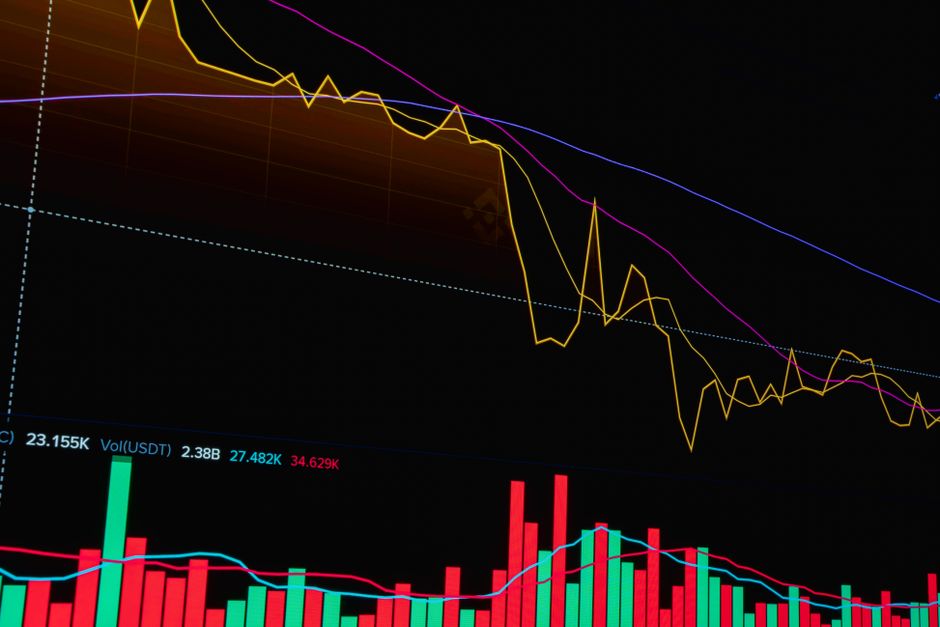
Furthermore, the visualization capabilities of pandas-ta-classic enhance the analysis process. Traders can generate charts that display price action alongside indicator values, providing a clear visual representation of market trends. This visual insight can aid in decision-making and help traders refine their strategies based on historical performance.
Addressing Challenges in Technical Analysis
While technical analysis is widely used, it is not without its challenges. One significant issue is the reliance on historical data to predict future price movements. Critics argue that past performance is not always indicative of future results, especially in rapidly changing markets. This skepticism raises questions about the effectiveness of technical analysis as a standalone strategy.
Moreover, the proliferation of automated trading systems has led to increased market volatility. As more traders rely on similar algorithms and indicators, the market can experience sudden shifts in price, creating challenges for those using traditional technical analysis methods. This phenomenon has sparked discussions about the need for more sophisticated models that account for market dynamics.
Additionally, the integration of machine learning and artificial intelligence into trading strategies has introduced a new layer of complexity. While these technologies can enhance predictive capabilities, they also require a deep understanding of data science and programming. This shift may create barriers for traditional traders who are accustomed to manual analysis.
Embracing the Future of Technical Analysis
The future of technical analysis workflows is poised for transformation as technology continues to advance. The integration of artificial intelligence and machine learning will likely play a crucial role in shaping the next generation of trading strategies. By harnessing these technologies, traders can analyze vast amounts of data in real-time, uncovering patterns that may not be visible through traditional methods.
Moreover, the growing popularity of decentralized finance (DeFi) and blockchain technology presents new opportunities for technical analysis. As more traders engage with these platforms, the need for innovative analysis tools will increase. This shift may lead to the development of specialized indicators and workflows tailored to the unique characteristics of DeFi markets.
The PearX program is renowned for its selective nature, capping its cohorts at just 20 startups. This approach facilitates focused mentorship and investment opportunities from…
One significant issue is the reliance on historical data to predict future price movements.
The emphasis on data-driven decision-making will continue to rise. Traders will increasingly rely on quantitative analysis to inform their strategies, moving away from intuition-based approaches. This trend underscores the importance of mastering technical analysis tools and methodologies to remain competitive in the evolving landscape.
Career Opportunities in Technical Analysis
For individuals seeking careers in finance, mastering technical analysis and backtesting workflows can provide a significant advantage. As trading becomes more data-driven, employers increasingly value candidates with strong analytical skills and proficiency in programming languages like Python. Familiarity with libraries such as pandas-ta-classic can set candidates apart in a competitive job market.
Furthermore, the ability to automate trading strategies and backtesting processes can enhance efficiency and effectiveness. As firms seek to optimize their trading operations, professionals who can leverage technology to streamline workflows will be in high demand.
In summary, the integration of technical analysis and backtesting workflows using pandas-ta-classic represents a critical aspect of modern trading. By understanding the core components of these workflows and embracing technological advancements, traders can enhance their decision-making processes and achieve greater success in the financial markets.




 Entrepreneurship & Business
Entrepreneurship & Business
 Entrepreneurship & Business