No products in the cart.

Hollywood Writers Transition to AI Training Roles
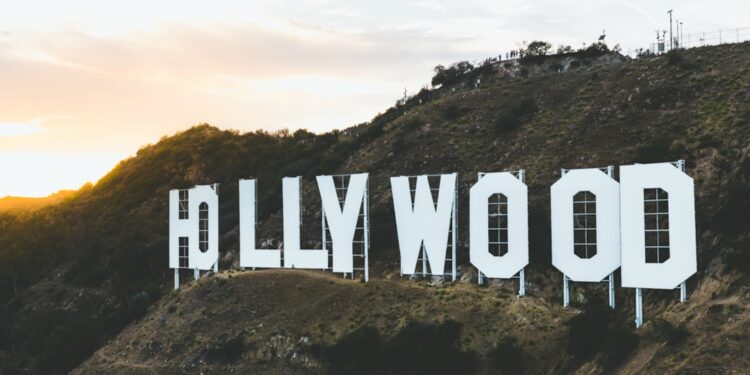
As Hollywood grapples with AI's rise, many writers are pivoting to training roles. This shift reflects broader changes in the creative industry and raises questions about the future of work.

Transformations in Hollywood’s Creative Workforce
The entertainment industry is experiencing a significant transformation as traditional roles are increasingly replaced or altered by artificial intelligence. Writers and creators, once the backbone of Hollywood, now find themselves in precarious positions. This transition is not merely a trend; it reflects deeper economic and technological changes reshaping how content is produced and consumed.
According to a recent article from Wired, many writers, after facing job losses and industry strikes, are turning to AI training roles to make ends meet. These roles involve teaching AI systems by providing data and feedback to improve their outputs, becoming a lifeline for those who once thrived in creative sectors but now navigate a landscape dominated by algorithms.
The implications of this shift are profound. As writers adapt to these new roles, they face challenges that extend beyond job functions. The creative integrity of the content is at risk as AI systems increasingly take over tasks traditionally performed by human creators, raising questions about the future of storytelling and the role of human creativity in an age of machines.
Emergence of AI Training Positions
AI training jobs are becoming a new frontier for many displaced workers in Hollywood. These positions often require individuals to annotate data, assess AI-generated content, and provide feedback on its quality. While these jobs may offer higher pay rates than traditional entry-level roles, they come with significant downsides, including job instability and a lack of long-term career prospects.
As highlighted by Forbes, the allure of easy money in AI training roles has drawn many writers into this field. However, the reality is far from glamorous. Many workers report feeling like “taskers” rather than employees, facing constant fears of project cancellations and job insecurity. The nature of this gig work mirrors the precarious conditions that have long plagued the creative industries, raising concerns about the sustainability of these new roles.
Emergence of AI Training Positions AI training jobs are becoming a new frontier for many displaced workers in Hollywood.
Economic Challenges and Workforce Adaptation
The economic pressures facing the entertainment industry are significant. Budget cuts and changing viewer habits have forced many studios to rethink their production strategies, leading to a diminished demand for traditional writers and a surplus of talent in a shrinking market.
You may also like
 Entrepreneurship & Business
MSMEs Demand Action on Rising Steel and Metal Prices
Rising material costs have been a persistent issue for MSMEs, which are already grappling with higher prices for diesel, furnace oil, and LPG.
Read More →The pandemic accelerated these trends, pushing many writers to seek alternative sources of income. The rise of streaming services and the increasing reliance on AI for content creation have further complicated the landscape. Writers must now adapt not only to new technologies but also to new business models that prioritize efficiency over artistry.
This adaptation reflects broader changes in the labor market. As industries evolve, workers must continuously reskill and pivot to remain relevant. The transition to AI training roles exemplifies this necessity, as many creatives leverage their skills in new ways to stay afloat.
Contradictions in the AI Narrative
While the narrative around AI often emphasizes its potential to enhance creativity, the reality for many workers is more complex. AI can streamline processes and improve efficiency in content creation, but it also poses existential threats to the very roles that define the creative industries.
Many workers express frustration over the perception that AI can replace human creativity. The tasks assigned to AI trainers often involve repetitive and low-level work, undermining the creative skills that writers have honed over years. This contradiction raises important questions about the value of human input in an increasingly automated world.
As industries evolve, workers must continuously reskill and pivot to remain relevant.
Additionally, the rapid pace of AI development has outstripped the ability of regulatory frameworks to keep up. As workers navigate this new terrain, there is a growing debate about the ethical implications of AI in creative fields. The lack of clear guidelines and protections for workers in these new roles exacerbates feelings of uncertainty and anxiety.
Prospects for Writers in an AI-Driven Future
The future for writers in Hollywood is uncertain. As AI continues to evolve, its impact on the creative landscape will deepen. Writers must grapple with the reality that their roles may continue to shift as technology advances.
However, there is potential for new opportunities. As AI tools become more integrated into the creative process, writers who can effectively collaborate with technology may find new avenues for expression. The key will be to embrace change while advocating for fair treatment and recognition of their contributions.
You may also like
 Entrepreneurship & Business
Startups Captivating VCs at PearX Demo Day
The PearX program is renowned for its selective nature, capping its cohorts at just 20 startups. This approach facilitates focused mentorship and investment opportunities from…
Read More →
In this context, the future may not be about replacing human creativity but rather finding ways to enhance it. Writers who can leverage AI as a tool rather than a competitor may thrive in this new environment.