No products in the cart.

Building the Future: AI Agents and the New Work Paradigm
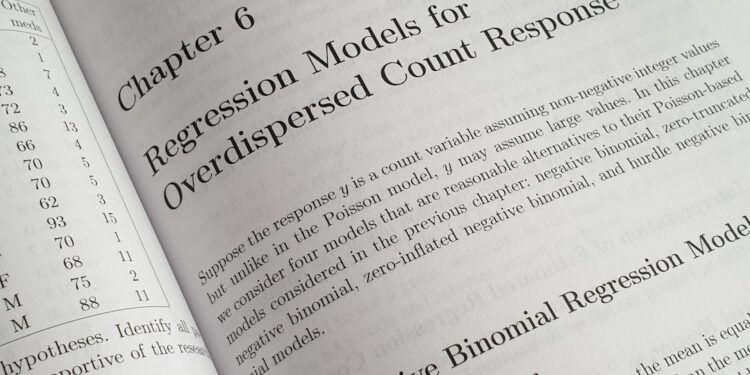
Factory CEO Matan Grinberg discusses the transformative role of AI agents in the workplace, highlighting the need for new operational models.

AI Agents: Redefining Workplace Dynamics
In the rapidly evolving landscape of technology, the role of AI agents is becoming increasingly pivotal. Matan Grinberg, CEO of Factory, emphasizes that the integration of AI into software engineering is less about flashy demonstrations and more about redefining operational models. This shift is crucial for businesses aiming to harness AI’s full potential while adapting to the demands of a modern workforce.
Grinberg’s insights come at a time when many companies are grappling with how to effectively incorporate AI into their operations. The transition involves not just technological upgrades but also significant changes in team dynamics and workflows. As businesses seek to leverage AI for competitive advantage, understanding these changes becomes essential.
AI agents are not merely tools but integral components that can enhance productivity and innovation. Grinberg argues that the future of work will be characterized by collaboration between human workers and AI agents, creating a synergy that drives efficiency. This perspective challenges traditional views on automation, suggesting a more collaborative approach to technology in the workplace.
As organizations begin to implement AI solutions, they must consider the implications for their workforce. The integration of AI agents raises questions about job roles, skills requirements, and the overall work environment. Companies must navigate these challenges to ensure a smooth transition into this new era of work.
Grinberg argues that the future of work will be characterized by collaboration between human workers and AI agents, creating a synergy that drives efficiency.
Economic Shifts Driven by AI Adoption
The economic landscape is shifting as businesses increasingly adopt AI technologies. According to a report by Bloomberg, companies that embrace AI are poised to enhance their operational efficiencies and reduce costs. This trend is particularly relevant for industries that rely heavily on data processing and analysis.
You may also like
 Entrepreneurship & Business
Startups Captivating VCs at PearX Demo Day
The PearX program is renowned for its selective nature, capping its cohorts at just 20 startups. This approach facilitates focused mentorship and investment opportunities from…
Read More →Grinberg points out that the ability to automate routine tasks allows teams to focus on more strategic initiatives. This shift not only improves productivity but also fosters innovation by freeing up time for creative problem-solving. As AI agents take on repetitive responsibilities, human workers can engage in higher-level thinking and decision-making.
However, the transition to an AI-driven model is not without its challenges. Concerns about job displacement and the need for upskilling are prevalent in discussions about AI’s impact on the workforce. A report from McKinsey highlights that while AI can create new job opportunities, it also necessitates a reevaluation of existing roles and responsibilities.

Moreover, businesses must consider the ethical implications of AI deployment. Ensuring transparency and fairness in AI systems is critical to maintaining trust among employees and customers alike. As organizations navigate these complexities, they must develop comprehensive strategies that address both the benefits and potential drawbacks of AI integration.
Addressing Inequalities in AI Integration
While the potential of AI agents is widely recognized, there is ongoing debate about their long-term impact on the workforce. Some experts argue that the rise of AI could exacerbate existing inequalities, particularly if access to these technologies is limited to certain sectors or regions. This concern is echoed in a report by the World Economic Forum, which emphasizes the need for equitable access to AI resources.
Concerns about job displacement and the need for upskilling are prevalent in discussions about AI’s impact on the workforce.
On the other hand, proponents of AI integration, like Grinberg, maintain that the technology can democratize opportunities by enabling smaller companies to compete with larger enterprises. By automating tasks and optimizing workflows, AI can level the playing field, allowing businesses of all sizes to innovate and grow.

Preparing for an AI-Driven Future
As organizations continue to explore the capabilities of AI, they must remain agile and responsive to changing market dynamics. The key will be finding a balance between leveraging AI for efficiency and ensuring that human workers are not left behind. For young professionals entering the job market, understanding AI’s role in business is crucial. Skills in AI management and collaboration will become increasingly valuable, and embracing continuous learning and adaptability will be key to success in the evolving job market.
You may also like
 Entrepreneurship & Business
Founders Face Open vs Closed AI Dilemma
Founders now see that selecting an AI model is more than just a technical choice. It is a core part of their business strategy. The…
Read More →