No products in the cart.

Burnham says pupils in England need clearer pathway into work | Career Outlook
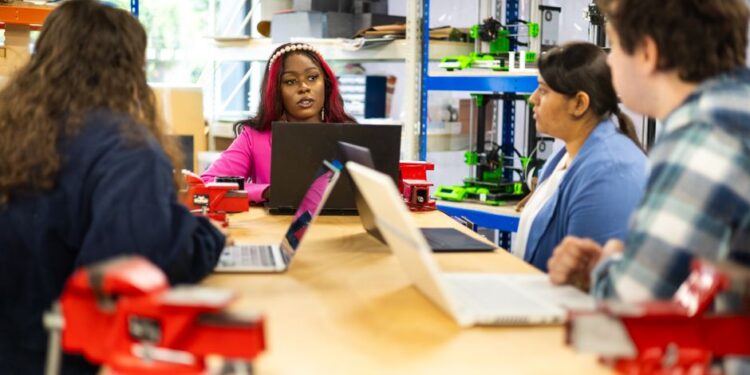
Prime Minister Andy Burnham has announced reforms to integrate technical education into secondary schools, aiming to address youth unemployment and align education with local industry needs.

England’s Prime Minister Andy Burnham announced a major reform in the education system. This change aims to give secondary school students access to technical subjects like manufacturing and artificial intelligence (AI). The initiative will start in Year 10. It aligns educational pathways with local industry needs to create clearer career paths for students.
This decision comes amid rising concerns about youth unemployment. Over one million young people in the UK are currently not in education, employment, or training (NEET). This is the highest level in over a decade. Burnham emphasized that practical and technical skills are crucial in today’s job market. He stated these skills are more valuable than ever in the age of AI. Britain will need skilled engineers, electricians, and cybersecurity experts more than ever, showing the growing importance of technical education in the modern economy.
Integrating Technical Education into the Curriculum
The new reforms will allow students to study technical subjects alongside core subjects like maths, English, and science. This integration aims to make technical education a central part of the curriculum. According to Burnham, this shift will help students gain vital skills that apply directly to local industries, including engineering and cybersecurity.
Schools will also be encouraged to work with local businesses to provide work experience and internships. This hands-on experience will help students connect with employers and see how their studies apply in real life. The government aims to have these new courses operational in some areas by 2028, showing a long-term commitment to improving education. However, the rollout may vary across regions, especially in areas with low industrial activity, where relevant courses might be limited.
Integrating technical education into the curriculum is seen as a crucial step in addressing the skills gap in the UK, a persistent issue for several years.
Burnham’s approach builds on previous initiatives, such as T-levels introduced in 2020. These vocational qualifications are equivalent to A-levels and focus on sectors like construction and health. The upcoming reforms will enhance these options by adding subjects relevant to the fast-evolving tech landscape. Integrating technical education into the curriculum is seen as a crucial step in addressing the skills gap in the UK, a persistent issue for several years.
You may also like
 Education & University Insights
NYC Leaders Push for School Integration Amid Segregation
New York City's school system remains one of the most segregated in the U.S. City leaders are now pushing for integration, but advocates emphasize the…
Read More →However, there are concerns about implementing these reforms. The Association of School and College Leaders has welcomed the ambition but warned about tight school budgets. There is a call for clarity on funding and practical details to ensure schools can effectively deliver these new programs. As highlighted by the BBC, few details have been published about how the new vocational courses will work, raising questions about the feasibility of these ambitious plans.
Career Ahead’s analysis shows that the focus on technical education reflects a broader shift in the UK’s educational policy. This aims to balance academic and vocational training. This move is essential for individual career readiness and for addressing the skills gap in the UK economy, worsened by rapid technological advancements and changing job market dynamics.
Addressing Local Industry Needs
A key aspect of the new reforms is aligning education with local industry needs. This means the subjects offered will vary based on the specific demands of businesses in different regions. For example, areas with a strong manufacturing base may focus on engineering and production skills, while tech hubs may prioritize AI and software development. Burnham noted that this localized approach is vital for ensuring students acquire relevant skills for their job market. By tailoring education to local industries, the government hopes to reduce the number of young people in the NEET category and improve overall employment rates.
The success of this initiative will depend on effective collaboration between educational institutions and local businesses, ensuring students receive the training they need to thrive in the workforce.
Additionally, the reforms aim to elevate vocational education, placing it on par with traditional academic routes. Burnham’s statement highlights a cultural shift where technical education is seen as a respected pathway to successful careers. This perspective is crucial in changing societal attitudes towards vocational training, which has often been viewed as a fallback option.
You may also like
 Education & University Insights
UP ITI Admission Opens Fifth Phase Applications
The fifth phase of UP ITI admissions for the 2026-27 training session will start on October 6, 2026, and will remain open until midnight on…
Read More →Furthermore, the government plans to enhance career guidance and support for students, ensuring they are well-informed about their options. This initiative aligns with findings from an interim report by Alan Milburn, emphasizing the need for better career advice to prevent a “lost generation” of young people. As these changes unfold, it will be important to monitor their impact on local economies and employment figures. The success of this initiative will depend on effective collaboration between educational institutions and local businesses, ensuring students receive the training they need to thrive in the workforce.

As the UK embarks on this journey towards a more integrated and industry-focused education system, the outcomes will be closely watched. Will these reforms succeed in bridging the gap between education and employment, or will they face obstacles that hinder their effectiveness? The government’s commitment to aligning education with industry needs is a promising step, but the real challenge lies in executing these plans and allocating necessary resources.
The introduction of technical subjects in secondary schools marks a pivotal moment for the UK’s education system. By focusing on practical skills and industry alignment, these reforms could reshape the future of work for many young people. With the rise of AI and automation, the demand for skilled workers in technical fields is expected to grow. As the government rolls out these reforms, schools will need to adapt their curricula and teaching methods to meet new requirements. This adaptation may involve training teachers to deliver technical subjects effectively and ensuring facilities are equipped for hands-on learning experiences.
Moreover, the reforms could change how employers view educational qualifications. As vocational training gains more recognition, businesses may prioritize skills and practical experience over traditional academic achievements. This shift could lead to a more diverse workforce, where individuals from various educational backgrounds contribute meaningfully to their fields. However, challenges remain, especially regarding funding and resource allocation. Schools will need adequate support to implement these changes effectively. Without sufficient investment, the potential benefits of these reforms may not be fully realized.
As vocational training gains more recognition, businesses may prioritize skills and practical experience over traditional academic achievements.
Frequently Asked Questions
What technical subjects can secondary school students in England study?
Students in England will soon have the chance to study subjects like manufacturing and AI in secondary education. This initiative aims to provide a clearer pathway into work by aligning education with local industry needs.
How will the new reforms impact students interested in manufacturing careers?
The new reforms will help students gain practical skills and experience in manufacturing. This will make them more attractive to employers in that sector. By integrating technical education into the curriculum, students will be better prepared for careers in manufacturing and related fields.

What skills should students focus on to prepare for AI-related jobs?
You may also like
 Education & University Insights
Students Can Access Free Gemini AI and Photoshop in India
Google has launched an offer for university students, providing them with free one-year access to Gemini AI. This includes 400GB of cloud storage and various…
Read More →Students interested in AI careers should focus on skills in programming, data analysis, and machine learning. The new curriculum will provide opportunities to gain these skills through hands-on learning experiences linked to local industries.