No products in the cart.

Protests Erupt Over Exam Scandal Amid Police Crackdown
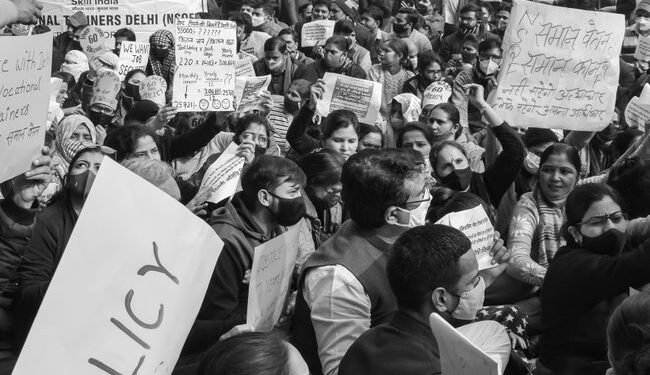
The unrest comes at a time when many young people feel disillusioned by a system that appears to favor corruption over merit.

India’s police used tear gas and batons on crowds protesting against frequent leaks of college entrance exams on July 20, 2026. This incident marks a significant escalation in tensions between the government and young citizens concerned about the integrity of the education system. The protests, which involved thousands of students, have raised alarms about the future of college admissions and the broader implications for education policy.
The unrest comes at a time when many young people feel disillusioned by a system that appears to favor corruption over merit. Protesters, who referred to themselves as the ‘Cockroaches’ to symbolize their fight against the status quo, gathered at key locations including Jantar Mantar in New Delhi. They demanded accountability from officials and systemic changes to ensure fair access to education.
Growing Scrutiny on Exam Integrity
Following the protests, there is increased scrutiny on the integrity of college entrance exams in India. Reports indicate that the government is now facing pressure to address allegations of corruption and mismanagement within the examination process. Career Ahead’s analysis shows that the protests may lead to stricter regulations and oversight mechanisms for exam authorities. The protests have also drawn attention to the lack of transparency in the examination system, which many believe has allowed for rampant corruption and favoritism.
According to Gulf News, police reacted harshly against demonstrators, indicating a tense relationship between the government and the youth. This reaction could further fuel discontent among students, who may see the government’s response as an attempt to suppress legitimate concerns about educational integrity. The ongoing unrest highlights the need for reforms that prioritize transparency and fairness. Furthermore, the protests have sparked a broader conversation about the role of educational institutions in maintaining exam integrity and the responsibilities they hold in ensuring a fair process for all students.
In light of these developments, education policy analysts predict that the government may be compelled to implement reforms. These could include revising examination protocols, increasing accountability for educational institutions, and ensuring that students have a voice in shaping education policies. Such changes could significantly alter the landscape of college admissions in India. Additionally, the protests have raised questions about the adequacy of current measures in place to prevent exam leaks and the effectiveness of existing regulatory bodies.
This reaction could further fuel discontent among students, who may see the government’s response as an attempt to suppress legitimate concerns about educational integrity.
Moreover, the protests have sparked discussions about the role of technology in education. With the rise of online learning and digital assessments, there may be opportunities to innovate the examination process. Career Ahead research finds that integrating technology could enhance the reliability and accessibility of exams, potentially reducing the risk of leaks and fraud. As stakeholders consider these technological advancements, they must also weigh the implications for students who may not have equal access to digital resources.
Potential Policy Changes in Education Sector
The protests have not only raised awareness about exam integrity but also prompted discussions about broader educational reforms in India. The current situation presents a unique opportunity for policymakers to reflect on the education system’s structure and its impact on students. The government may consider implementing changes that address the root causes of dissatisfaction among young people. As noted by DW.com, the protests reflect a growing frustration among youth regarding joblessness and educational inequity. Many students believe that the existing system perpetuates inequality, making it harder for deserving candidates to succeed. This sentiment could drive demands for more inclusive policies that support underprivileged students and ensure equal opportunities for all.
Career Ahead’s analysis identifies that the protests could catalyze significant changes in how exams are conducted and monitored. Policymakers may be more inclined to engage with student organizations and stakeholders to develop a more transparent and equitable examination system. This engagement could foster trust between the government and the youth, paving the way for constructive dialogue and collaboration. Furthermore, the protests have highlighted the importance of involving students in the decision-making process, which could lead to more responsive educational policies that reflect the needs and aspirations of the younger generation.
In addition, the protests may lead to a shift in public sentiment towards educational reforms. As students continue to voice their concerns, there is potential for a broader movement advocating for systemic change. This could influence not only the examination process but also the overall educational framework, impacting curriculum development and resource allocation. The implications for college admissions are profound. If reforms are implemented, students may find a more equitable process that values merit over connections. This could change the dynamics of competition for college placements, ensuring that all candidates have a fair chance to succeed.
Career Ahead analysis finds that students should be prepared for potential disruptions in the usual timeline, as institutions may need time to implement new procedures and ensure compliance with revised policies.
The recent protests and subsequent government response could also affect college admissions timelines across India. With the potential for policy changes, educational institutions may need to adapt their admission processes to align with new regulations. This uncertainty may create challenges for students preparing for entrance exams and applying to colleges. As the government considers reforms, there may be delays in the release of exam results and subsequent admission schedules. Career Ahead analysis finds that students should be prepared for potential disruptions in the usual timeline, as institutions may need time to implement new procedures and ensure compliance with revised policies.
Furthermore, the protests could lead to increased collaboration between educational institutions and student organizations. By involving students in the decision-making process, colleges may better understand the needs and concerns of their applicants. This could result in a more responsive and student-centered approach to admissions, ultimately benefiting future candidates. Looking ahead, the protests may serve as a turning point for India’s education system. As students continue to advocate for their rights, the government may be more willing to listen and adapt to the changing landscape. The outcome of these protests could shape the future of college admissions and the overall educational experience for generations to come.
The situation remains fluid, and stakeholders across the education sector are closely monitoring developments. The next steps taken by the government and educational institutions will be critical in determining the long-term impact of these protests on the college entrance exam process.
Frequently Asked Questions
What are the implications of the exam scandal for college entrance exam candidates?
The exam scandal highlights systemic issues in India’s education system, potentially leading to reforms that could enhance fairness in college admissions. Candidates may experience changes in exam protocols and increased scrutiny on exam integrity.
The protests may prompt them to push for more inclusive policies that address the needs of underprivileged students.
How might education policy analysts respond to the protests?
Education policy analysts are likely to advocate for reforms that prioritize transparency and accountability in the examination process. The protests may prompt them to push for more inclusive policies that address the needs of underprivileged students.
What should college entrance exam candidates do to prepare for potential changes in the exam process?
Candidates should stay informed about developments related to the protests and potential policy changes. Being adaptable and prepared for shifts in exam protocols will be crucial for navigating the evolving landscape of college admissions.
Written by Career Ahead AI. AI can make mistakes, so verify key facts. Report errors to support@careeraheadonline.com.