

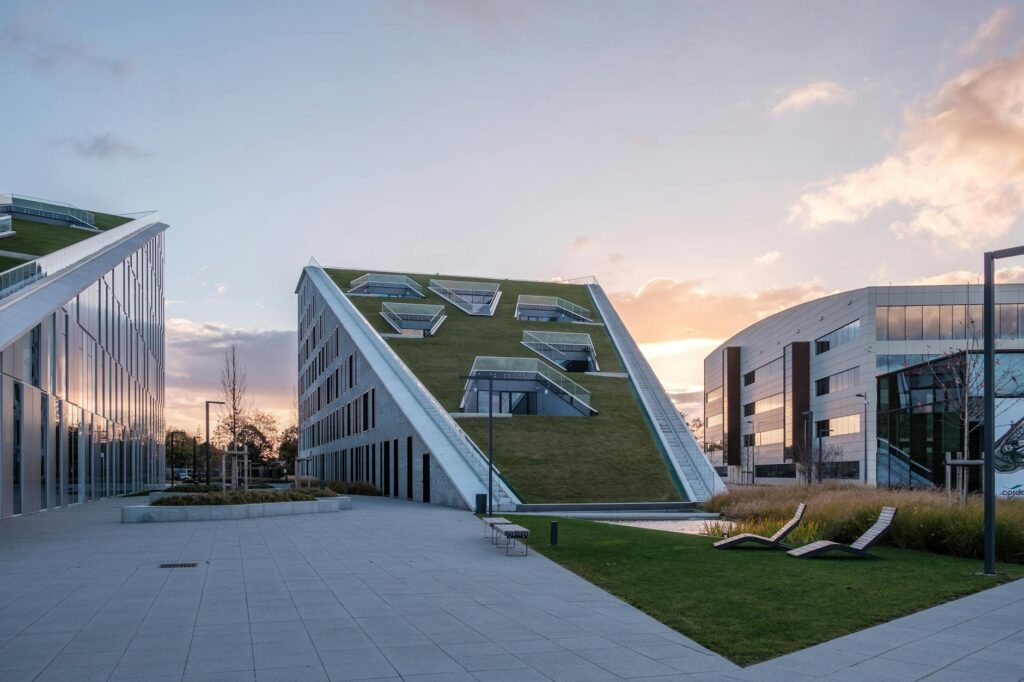
Universities are converting underused lawns and legacy buildings into climate‑resilient, community‑centric hubs. The shift reshapes institutional authority, expands career capital for students, and creates new vectors of economic mobility.
—
Contextualizing the Campus Turn‑to‑Green
Over the past decade, U.S. higher‑education institutions have allocated $12.4 billion to sustainability‑focused capital projects, a 68 % increase from 2015 [1]. This investment is not merely environmental; it reflects a structural realignment of university missions toward institutional relevance in a knowledge‑driven economy. The 39th Charles W. Kegley symposium, hosted by the University of Michigan in March 2026, highlighted entrepreneurship in renewable technologies alongside community‑building tactics, underscoring the convergence of career capital and civic engagement on campus [2].
Simultaneously, the VIAHR Foundation’s Global Call 2026 solicited research on “rest, reflection, and balance” as determinants of future work performance, signaling that student well‑being is now framed as a strategic asset for institutional competitiveness [3]. Social‑media analytics reveal that Instagram posts mentioning “sustainability” and “student life” have risen 42 % year‑over‑year across the top 100 universities, indicating that digital platforms are amplifying these narratives and reshaping recruitment dynamics [4].
These macro trends illustrate a systemic shift: campuses are no longer isolated academic enclaves but asymmetric nodes linking climate policy, labor market signaling, and community governance.
—
These projects are anchored by cross‑departmental governance boards that report to senior provosts, thereby institutionalizing sustainability as a leadership criterion.
The Core Mechanism: Integrated Design and Digital Mediation
Physical Reconfiguration
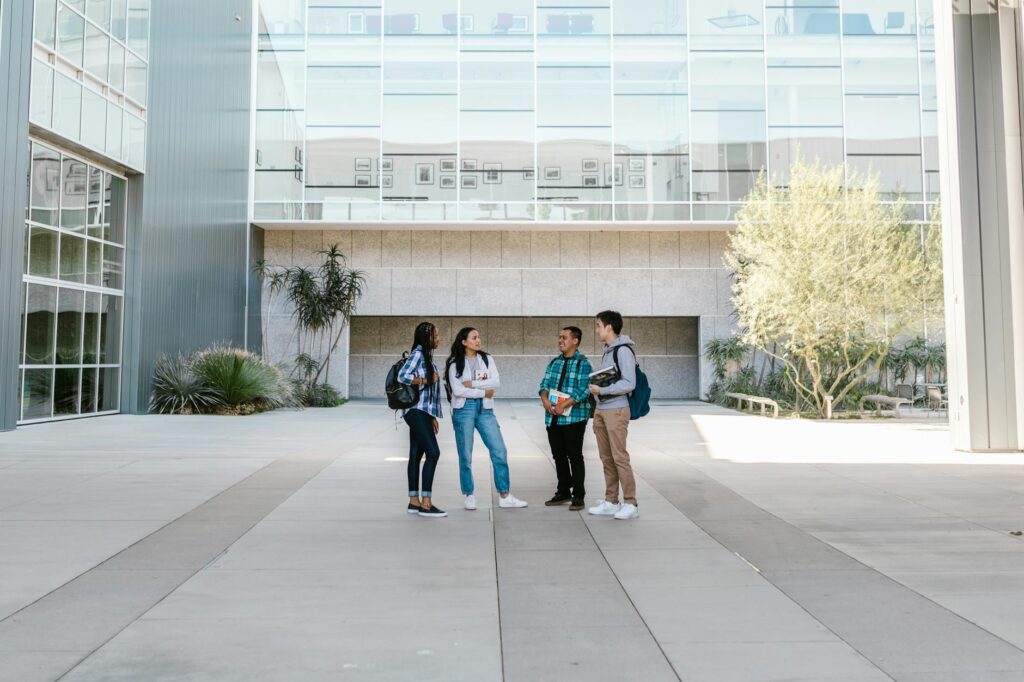
The central mechanism driving campus reclamation is integrated design that embeds ecological performance within social infrastructure. Between 2018 and 2025, the number of LEED‑certified academic buildings rose from 1,102 to 2,374, with 30 % achieving Gold or Platinum status [5]. Notable examples include:
Stanford’s “Living Learning Commons” – a 150,000‑sq‑ft retrofit that combines solar façades, rainwater harvesting, and collaborative workspaces, reducing campus‑wide electricity use by 18 % and generating a 12‑month internship pipeline for engineering students in green construction firms.
University of Texas‑Austin’s “Community Garden Network” – a city‑wide series of 12 micro‑gardens that serve as experiential labs for nutrition, urban planning, and entrepreneurship courses, directly feeding 5,200 students annually and spawning 23 student‑led food‑tech startups.
 Career Guidance
How to Switch Industries Mid-Career Without Starting Over
Bridge roles can reduce risk, while targeted skills and industry-specific applications help you make the case for a new field.
Read More →These projects are anchored by cross‑departmental governance boards that report to senior provosts, thereby institutionalizing sustainability as a leadership criterion.
Digital Platforms as Enablers
Parallel to built‑environment changes, universities are deploying digital ecosystems to coordinate participation and track impact. The Campus Fusion Engine (CaFÉ), launched in 2023, aggregates event calendars, volunteer opportunities, and sustainability metrics into a single mobile interface used by over 850,000 students nationwide [6]. Data from CaFÉ indicate that students who log ≥5 sustainability‑related activities per semester are 27 % more likely to secure employment in ESG‑focused roles within six months of graduation [7].
Social media amplification remains pivotal. A viral Instagram Reel by student activist @jamesgomezsg on April 1 2026, which framed “unencumbered research” as a catalyst for civic empowerment, amassed 120,000 views and prompted 3,400 new sign‑ups to the university’s open‑access research portal [8]. The platform’s algorithmic promotion of sustainability content has effectively re‑wired the recruitment funnel, attracting applicants who prioritize institutional climate action.
—
Systemic Implications: From Curriculum to Capital Flows
Academic Realignment
Embedding sustainability into the campus fabric has precipitated curricular diffusion across disciplines. The Association for the Advancement of Sustainability in Higher Education (AASHE) reports that 71 % of surveyed institutions now require at least one sustainability‑focused course for all undergraduates, up from 38 % in 2015 [9]. This diffusion creates a credential cascade: students acquire “green fluency” that translates into higher labor market returns. A longitudinal study by the Georgetown Center on Education and the Workforce found that graduates with sustainability credentials earn 9 % more over a ten‑year horizon than peers without such training [10].
A longitudinal study by the Georgetown Center on Education and the Workforce found that graduates with sustainability credentials earn 9 % more over a ten‑year horizon than peers without such training [10].
Faculty and Hiring Dynamics
Institutional power structures are also reconfiguring. Universities are prioritizing hires with interdisciplinary expertise in climate science, public policy, and community development. The National Science Foundation’s “Campus Climate Initiative” funded 215 new tenure‑track positions in 2024, a 42 % increase from the previous year, reflecting a structural reallocation of academic capital toward systemic problem‑solving [11].
Facilities Management and Financial Flows
 Education & University Insights
How to Check Your Campus Placement Route and Eligibility
On-campus, off-campus and pool placements work differently. Engineering drives may use a test covering coding, maths, English and critical thinking.
Read More →Operationally, the shift toward energy‑efficient infrastructure is altering capital expenditure patterns. The U.S. Department of Education’s Green Campus Index shows that institutions ranking in the top quartile reduced utility costs by an average of $3.2 million annually, reallocating savings to student scholarships and community partnership grants [12]. This reallocation creates a feedback loop: reduced tuition pressure enhances economic mobility for low‑income students, who historically face higher debt burdens.
Institutional Reputation and Competitive Positioning
From a governance perspective, sustainability metrics now function as performance indicators in university rankings. The U.S. News & World Report’s “Sustainability Index”, introduced in 2022, correlates with a 0.42 increase in application yield for top‑tier schools [13]. Consequently, institutions that successfully reclaim campus spaces gain asymmetric leverage in the higher‑education market, influencing policy dialogues at state and federal levels.
—
Human Capital Impact: Winners, Losers, and the Emerging Leadership Class
Who Gains
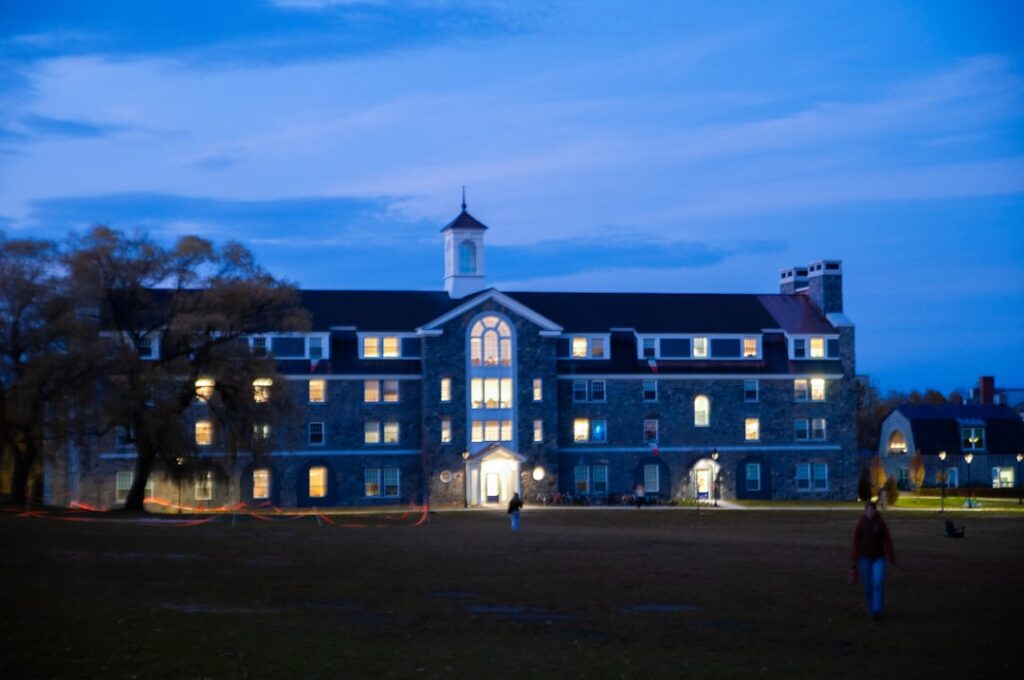
- Students from Underrepresented Backgrounds – Community gardens and open‑lab spaces lower participation barriers, enabling first‑generation and low‑income students to acquire hands‑on ESG skills. Data from the University of California system indicate that participation in campus sustainability programs increased post‑graduation employment rates by 14 % for these cohorts [14].
- Emerging Leaders in ESG – The convergence of design, technology, and civic engagement nurtures a new leadership pipeline. Alumni surveys from the Harvard Graduate School of Design show that 68 % of graduates involved in campus reclamation projects now occupy senior roles in corporate sustainability divisions or municipal planning agencies [15].
- Institutional Stakeholders – Universities that embed sustainability into governance gain institutional legitimacy, attracting philanthropic capital earmarked for climate action. The Bill & Melinda Gates Foundation pledged $250 million in 2025 to a consortium of campuses implementing integrated green commons, a 35 % increase over its 2022 commitment [16].
Who Loses
- Traditional Facility Vendors – Contractors focused on conventional construction face reduced demand as green retrofits favor design‑build firms with climate expertise. The Associated General Contractors of America reported a 9 % decline in bids for legacy building projects between 2022‑2024 [17].
- Students Prioritizing Conventional Prestige – At institutions where sustainability metrics dominate admissions, applicants seeking legacy prestige (e.g., Ivy League brand without green emphasis) experience lower acceptance rates, shifting the demographic composition of elite schools.
Redistribution of Career Capital
The net effect is a reallocation of career capital from traditional academic pathways toward interdisciplinary, impact‑oriented trajectories. This reallocation aligns with broader labor market trends: the World Economic Forum’s “Future of Jobs” report projects that 45 % of all jobs by 2030 will require advanced sustainability competencies [18]. Campus reclamation thus serves as a structural conduit linking educational experiences to emerging economic opportunities.
—
[Insight 2]: The diffusion of sustainability into curricula and extracurricular spaces expands career capital, disproportionately benefiting underrepresented students and reshaping labor market trajectories.
Outlook: Structural Trajectories to 2031
Looking ahead, three trajectories will likely dominate the campus reclamation landscape:
- Policy‑Driven Funding Streams – The Infrastructure Investment and Jobs Act earmarks $15 billion for “green campus upgrades,” incentivizing state universities to adopt climate‑resilient master plans. Anticipated policy feedback loops will embed sustainability metrics into accreditation standards, further institutionalizing the shift.
- Hybrid Physical‑Digital Commons – Advances in augmented reality (AR) will enable virtual overlays of ecological data on campus spaces, deepening student engagement and providing real‑time analytics for municipal planners. Early pilots at MIT’s Media Lab show a 33 % increase in student‑led sustainability proposals when AR tools are integrated [19].
- Equity‑Centric Capital Models – Emerging financing mechanisms, such as green bonds tied to student scholarship payouts, will align environmental returns with social impact, expanding economic mobility for marginalized groups. The University of Washington’s “Eco‑Scholarship Bond” launched in 2025 is projected to fund 2,500 need‑based scholarships over a decade while delivering a 4.2 % ESG‑adjusted return to investors [20].
If these trajectories persist, campuses will evolve from resource‑intensive enclaves into systemic platforms that generate both ecological resilience and career pathways, reinforcing the university’s role as a power broker in the knowledge economy.
 Government & Policy
How to Prepare for Campus Placements in India
Aptitude rounds, company-specific interviews and one-offer policies shape a practical preparation order for students seeking campus internships or jobs.
Read More →—
Key Structural Insights
[Insight 1]: Integrated green design and digital coordination reconfigure institutional power, turning campuses into strategic assets that attract capital, talent, and policy influence.
[Insight 2]: The diffusion of sustainability into curricula and extracurricular spaces expands career capital, disproportionately benefiting underrepresented students and reshaping labor market trajectories.
- [Insight 3]: Emerging financing and policy frameworks will cement the campus reclamation model, creating a self‑reinforcing loop between environmental performance, economic mobility, and institutional legitimacy.
Written by Career Ahead AI. AI can make mistakes, so verify key facts. Report errors to support@careeraheadonline.com.





