No products in the cart.

Campus Safety Demands Spark Vandalism and Protests
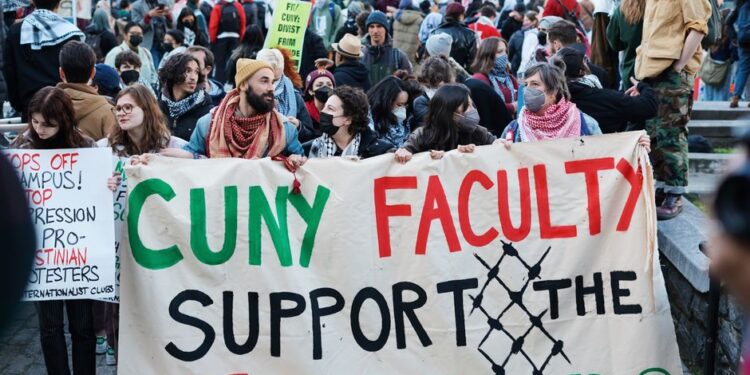
Cornell University students are protesting the administration's handling of sexual assault allegations, leading to vandalism and a call for policy reform. This reflects a growing trend of activism across U.S. campuses, emphasizing the need for transparency and accountability.

United States — On October 5, 2026, students at Cornell University gathered outside an administration building that had been vandalized overnight, expressing their outrage over the university’s handling of sexual assault allegations. This incident marks a significant moment in a wave of activism sweeping across U.S. campuses, where students are increasingly vocal about their concerns regarding safety and institutional accountability.
The protests at Cornell were ignited by a series of incidents that raised serious questions about how the administration has addressed allegations of sexual misconduct. Students have voiced their frustrations, demanding not only justice for victims but also systemic changes in how such cases are managed. The vandalism of the administration building serves as a stark symbol of the urgency felt by students, reflecting their collective frustration with perceived inaction from university officials.
Student Activism and Its Broader Implications
The activism at Cornell is part of a larger national movement among students who are increasingly unwilling to accept vague assurances from university administrations. According to a report by USA Today, students are demanding more transparency and accountability in the handling of sexual assault allegations. They are calling for clear policies that prioritize the safety and well-being of all students.
This shift in student expectations is significant. No longer content with empty promises, students are insisting on concrete actions that demonstrate a commitment to addressing sexual misconduct effectively. The protests at Cornell highlight a growing trend where student voices are becoming a powerful force in shaping university policies across the country.
As reported by The Guardian, the vandalism incident was not merely an act of defiance; it symbolized a broader movement of students demanding change. The dialogue surrounding sexual assault policies is evolving, and universities must adapt to these changing expectations or risk facing similar backlash.
The urgency of their demands has led to discussions about revising policies to ensure they are more responsive to student needs.
Revisiting Campus Safety Policies
The protests at Cornell have prompted a critical examination of existing campus safety policies. Students are advocating for a comprehensive review of how sexual assault allegations are processed and the support services available to survivors. The urgency of their demands has led to discussions about revising policies to ensure they are more responsive to student needs.
You may also like
 Education & University Insights
CLAT 2027 Registration Opens, Confirm Eligibility Today
The registration for CLAT 2027 is open until October 31, 2026. Candidates must meet specific eligibility criteria to apply for undergraduate and postgraduate law programs.…
Read More →Other universities are likely watching Cornell closely. Institutions that fail to adequately address student concerns about sexual assault may find themselves facing similar protests. The implications for campus safety policies could be profound, as universities strive to create environments that are safe and supportive for all students.
As student activism continues to grow, Cornell’s experience may serve as a case study for other universities grappling with similar issues. The protests underscore the importance of engaging students in policy development and ensuring that their voices are heard in discussions about campus safety.

Administrative Responses: The Need for Transparency
The response from university administrators is crucial in determining the outcome of these protests. Many universities have adopted more transparent communication strategies regarding sensitive issues like sexual assault, but the situation at Cornell illustrates that there is still significant work to be done. The administration’s failure to effectively communicate its policies has contributed to a growing mistrust among students.
Research indicates that universities must prioritize clear communication with their student bodies. This includes providing detailed information about how sexual assault allegations are handled and what support services are available to survivors. A lack of clarity can exacerbate feelings of vulnerability and resentment among students, as seen in the recent protests at Cornell.
Moreover, the administration’s ability to engage constructively with students can set the tone for future interactions. By actively listening to student concerns and demonstrating a willingness to make changes, universities can foster a more positive relationship with their communities. The ongoing protests highlight the need for Cornell’s administration to acknowledge student grievances and take actionable steps toward reform.
Moreover, the administration’s ability to engage constructively with students can set the tone for future interactions.

Looking Forward: The Future of Campus Activism
You may also like
 Education & University Insights
Why BITS Pilani’s New Amaravati Campus Matters for Tech Students
BITS Pilani's new Amaravati campus is poised to transform technology education in India, emphasizing AI and industry collaboration. With a capacity for 10,000 students, it…
Read More →As the protests continue, Cornell’s administration faces the challenge of balancing student demands with institutional policies. A comprehensive review of existing practices is necessary, and the university must act decisively to address the issues raised by students. The outcome of this situation could influence how other universities approach their communication strategies and policies regarding sexual misconduct.
The evolving landscape of student activism suggests that universities may need to rethink their traditional governance approaches. Engaging students as partners in policy development could lead to more effective solutions that reflect the needs and concerns of the campus community.
As universities navigate these complex issues, the importance of transparency and accountability cannot be overstated. The ongoing protests at Cornell serve as a reminder that students are closely watching and expect their institutions to respond appropriately. With the increasing visibility of student activism, it will be crucial to see how universities adapt their policies and communication strategies in response to these pressures.
Frequently Asked Questions
What actions can Cornell students take to address their concerns about sexual assault policies?
Cornell students can organize protests, engage in dialogue with university officials, and participate in campus forums to express their concerns about sexual assault policies. Working together with student organizations can amplify their voices and push for meaningful changes.
How should higher education administrators respond to student protests effectively?
How should higher education administrators respond to student protests effectively?
Higher education administrators should listen actively to student concerns, communicate transparently about policies, and show a willingness to make changes based on feedback. Building trust through open dialogue is essential for fostering a positive campus environment.

What best practices exist for universities to handle sexual assault allegations transparently?
You may also like
 Education & University Insights
France Set for Nationwide Strikes, as School Protests Escalate
The protests are a response to various issues, including dissatisfaction with educational reforms, budget cuts, and a perceived lack of support for students.
Read More →Best practices for universities include establishing clear reporting procedures, providing comprehensive support services for survivors, and ensuring regular communication about the outcomes of investigations. Transparency in these processes can help build trust within the campus community.