No products in the cart.

French Student Protests Disrupt Paris

The protests are not isolated incidents but part of a larger trend of student activism in France. This wave of protests reflects a growing discontent among the youth regarding their educational experiences and the broader socio-political climate. As students take to the streets, the implications for university policies…

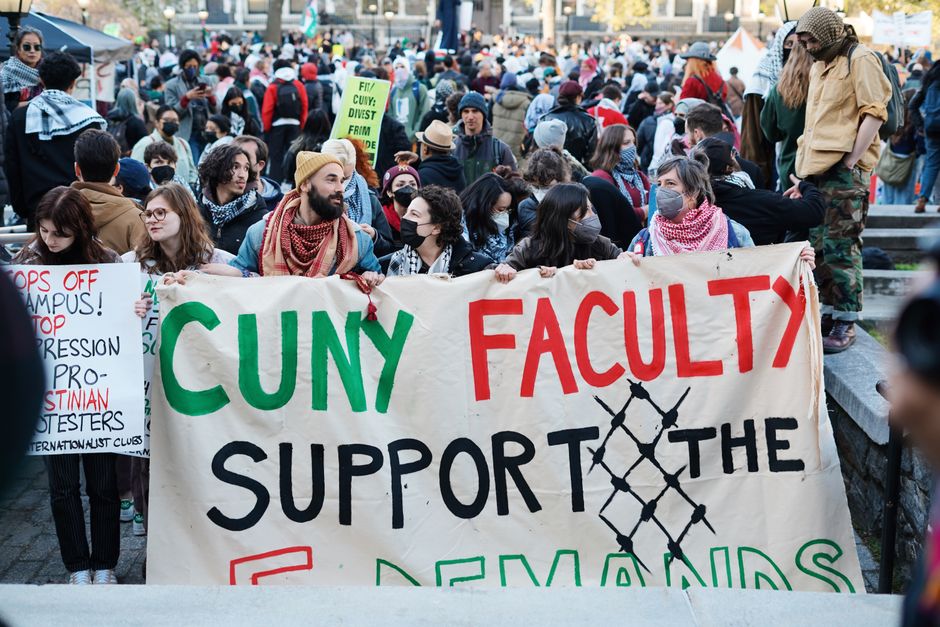
Paris, France — Student protests erupted at universities in Paris on October 6, 2026. Thousands of students rallied against perceived injustices in educational policies. This movement focuses on concerns over tuition hikes and the lack of mental health support. The protests have disrupted classes and sparked discussions about the future of higher education governance.
These protests are part of a larger trend of student activism in France. They reflect growing discontent among youth regarding their educational experiences and the socio-political climate. As students take to the streets, the implications for university policies and student engagement strategies are significant.
Impact on University Governance in France
The protests raise urgent questions about how French universities are governed. Students want a seat at the table in decisions affecting their education. According to France in English, this movement has sparked calls for reforms to enhance student representation in university administrations. The protests also highlight the need for transparency in decision-making, especially regarding budget allocations and student services.
Career Ahead’s analysis shows that greater student involvement in governance could lead to significant changes in university operations. If institutions respond positively, we may see a shift towards more inclusive decision-making that prioritizes student voices. This change could reshape the educational landscape in France, making it more responsive to student needs. The protests also emphasize the need for universities to adapt to younger generations’ expectations. Today’s students are more vocal and organized, using social media to amplify their messages and gather support. This shift puts pressure on universities to engage actively with students and address their concerns.
As the protests continue, it remains unclear how university administrations will respond. Their actions could either calm the unrest or worsen it, depending on their willingness to engage with student demands. The outcome may set a precedent for future interactions between students and university governance. Additionally, the protests have sparked discussions about faculty and staff roles in supporting student activism, with many educators expressing solidarity with students’ reform demands.
This change could reshape the educational landscape in France, making it more responsive to student needs.
Potential Shifts in Student Enrollment Trends
The ongoing protests may also impact student enrollment trends in French universities. As dissatisfaction with current policies grows, prospective students may rethink their choices. If students feel unheard, they might choose alternative pathways, like vocational training or studying abroad. According to IJR, the protests have already caused a notable decline in attendance at several institutions, with some universities reporting drops in enrollment as students express dissatisfaction by skipping classes.
You may also like
 Education & University Insights
Campus Safety Demands Spark Vandalism and Protests
Cornell University students are protesting the administration's handling of sexual assault allegations, leading to vandalism and a call for policy reform. This reflects a growing…
Read More →Career Ahead research shows that universities with proactive engagement strategies are likely to attract more students. Institutions that address student concerns and foster a collaborative environment may enhance their appeal. This could give universities a competitive edge in a changing landscape. As prospective students seek institutions that align with their values, universities that ignore student activism may struggle with recruitment.
Furthermore, the protests may encourage universities to rethink their recruitment strategies. Institutions might focus on outreach efforts that emphasize student engagement and support systems. This shift could create a more student-centered approach to recruitment, benefiting both students and universities. As the protests unfold, the impact on enrollment trends will become clearer. Universities that ignore the underlying issues may face declining enrollment, while those that embrace change may thrive.

Moreover, the protests have sparked discussions about the overall educational experience in France. Many students advocate for a more holistic approach that includes mental health resources, academic support, and civic engagement opportunities. This broader perspective on student needs may lead to a reevaluation of how universities design their programs and services, further influencing enrollment decisions.
The recent protests in Paris signal a pivotal moment for French universities. As students become more active in advocating for their rights, educational institutions must navigate the challenges posed by this activism. The direction universities choose in response to these protests will determine their governance structures and relevance in a rapidly changing educational landscape.
As students become more active in advocating for their rights, educational institutions must navigate the challenges posed by this activism.
Frequently Asked Questions
What are the implications of the Paris student protests for university policies?
The Paris student protests are prompting universities to reconsider their governance structures and student engagement strategies. Institutions may enhance student representation and adapt policies to meet demands for inclusivity and responsiveness.
How might these protests affect student enrollment in French universities?
The protests could shift student enrollment trends as prospective students weigh their options. Universities that ignore student concerns may see declining enrollment, while those that engage positively may attract more applicants.
You may also like
 Education & University Insights
CLAT 2027 Registration Opens, Confirm Eligibility Today
The registration for CLAT 2027 is open until October 31, 2026. Candidates must meet specific eligibility criteria to apply for undergraduate and postgraduate law programs.…
Read More →
What should higher education administrators do in response to student activism?
Higher education administrators should engage with student concerns and consider their feedback in decision-making. By fostering open communication and collaboration, universities can build stronger relationships with their student bodies.