No products in the cart.

Can a Youth Boom Survive South Sudan’s Education Crisis?
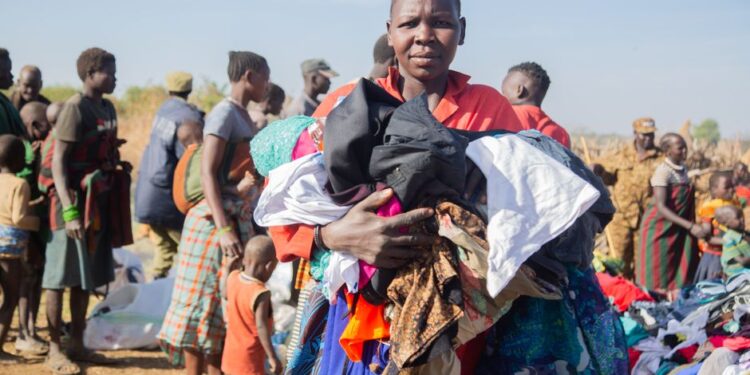
South Sudan faces a severe education crisis, threatening its youth's future. The ongoing conflict and economic challenges have led to a decline in educational quality and accessibility, risking the potential for a youth boom.

South Sudan is grappling with a severe education crisis that threatens the future of its youth. The ongoing conflict and economic challenges have led to a significant decline in the quality and accessibility of education. Reports indicate that many children are currently out of school, with numerous teachers leaving the profession due to inadequate pay and unsafe working conditions. The lack of educational infrastructure and resources has exacerbated the situation, leaving many communities without access to basic educational services.
This situation is critical as South Sudan, the world’s newest nation, has a youthful population eager for education and opportunities. The lack of a functional education system not only hampers individual growth but also threatens the country’s stability and development. The implications of this crisis extend beyond the classroom, affecting teachers, policymakers, and the broader community. The potential for a youth boom in South Sudan is at risk, as the education system teeters on the brink of collapse.
Decline in Teacher Recruitment and Retention
The education crisis has severely impacted teacher recruitment and retention in South Sudan. Many educators cite poor working conditions, lack of resources, and low salaries as primary reasons for their departure. This exodus has created a significant gap in the education sector, leading to overcrowded classrooms and a decline in educational quality. Reports indicate that many teachers are forced to work in unsafe environments, further discouraging new recruits from entering the profession.
Moreover, the remaining teachers face immense pressure as they try to educate large groups of students with limited resources. This situation not only affects the quality of education but also demoralizes teachers, leading to further attrition. Without immediate intervention, South Sudan risks losing an entire generation of educators, which could have long-term consequences for the country’s development. The urgency of the situation is underscored by the fact that many young people are left without role models or mentors, which is crucial for their personal and academic growth.
Efforts to address this crisis are underway, with various NGOs and international organizations working to provide support. However, the scale of the problem requires a coordinated response from the government and international community. Policymakers must prioritize teacher training and retention strategies to rebuild the education system. Investing in teacher professional development is essential to enhance the skills of existing educators and attract new talent to the field.
Investing in teacher professional development is essential to enhance the skills of existing educators and attract new talent to the field.
You may also like
 Education & University Insights
Chambal ‘Baaghi’ Legacy to IIT and Global Career Success
Dev Prabhakar Singh Tomar's journey from a Chambal village to securing AIR 629 in the UPSC Civil Services Examination exemplifies resilience and determination among Indian…
Read More →Additionally, innovative solutions such as using technology for remote learning could help mitigate some of these challenges. By investing in teacher training programs and enhancing working conditions, South Sudan can begin to stabilize its education sector and retain qualified educators. The integration of digital tools in education could also provide students with access to a broader range of learning materials, which is crucial in a country where traditional educational resources are scarce.
Impact on Curriculum Development
The ongoing education crisis has also had a profound impact on curriculum development in South Sudan. With many schools closed or operating at reduced capacity, there has been little progress in updating or implementing a relevant curriculum. Current educational materials are outdated and do not meet the needs of a rapidly changing world. The lack of a coherent curriculum hampers students’ ability to acquire essential skills. In a country where youth unemployment is high, a modernized curriculum could provide students with the skills needed to succeed in the job market. However, without investment in curriculum development, students may continue to be ill-prepared for future opportunities.
International aid plays a crucial role in this aspect as well. Organizations like UNICEF and the Global Partnership for Education are working to provide resources and support for curriculum development initiatives. However, these efforts need to be sustained and expanded to ensure that all children receive a quality education. The need for a curriculum that reflects the local context and addresses the unique challenges faced by South Sudanese youth is paramount. Engaging local educators and communities in this process will help create a more effective educational framework that can adapt to the unique challenges faced by the country.
The integration of technology into the curriculum is another area that requires attention. As digital literacy becomes increasingly important, South Sudan must invest in educational technologies that can enhance learning experiences and provide access to information. This investment is essential not only for improving educational outcomes but also for preparing students to thrive in a globalized economy.
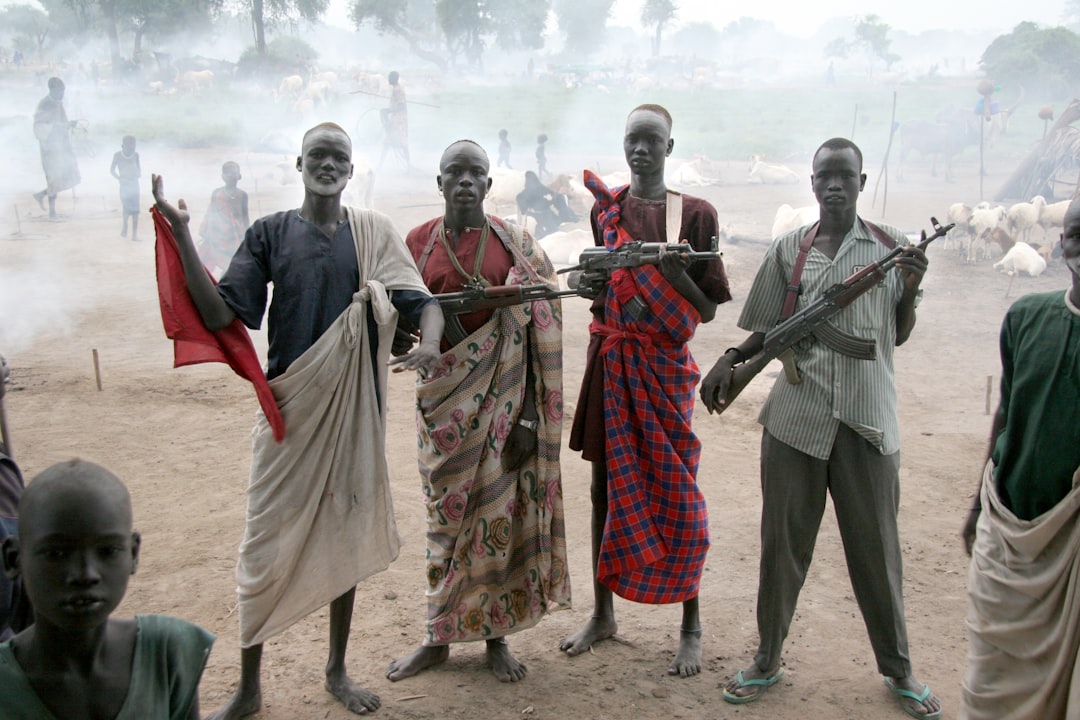
As digital literacy becomes increasingly important, South Sudan must invest in educational technologies that can enhance learning experiences and provide access to information.
Furthermore, the lack of a structured curriculum has implications for teacher training programs, which must align with the educational goals of the nation. Without a clear framework, training initiatives may fail to equip teachers with the necessary skills to deliver effective instruction. Addressing these gaps is critical for the long-term success of South Sudan’s education system.
The crisis in South Sudan has led to an increased need for international aid and educational programs. As the government struggles to provide basic services, many families rely on NGOs and international organizations for educational support. These groups are stepping in to fill the gaps left by the government, providing essential resources and training for teachers.
You may also like
 Education & University Insights
Calcutta University Reinstates Attendance Marks for UG Students
Calcutta University has reinstated attendance marks for undergraduate students, allocating 5 out of 25 internal assessment marks to encourage classroom attendance.
Read More →Sustained international support is critical for rebuilding the education system in South Sudan. This includes not only financial aid but also technical assistance and capacity-building programs. By investing in education, international donors can help create a more stable and prosperous future for South Sudan. Moreover, educational programs that focus on youth empowerment and leadership can play a significant role in fostering resilience among young people. By equipping youth with the skills and knowledge needed to advocate for their rights and contribute to their communities, these programs can help build a more informed and engaged citizenry.
As the situation evolves, it is essential for policymakers to prioritize education as a key component of national development. The potential for a youth boom in South Sudan exists, but it hinges on the ability to address the current education crisis effectively. The future of South Sudan’s youth remains uncertain as the education crisis continues to unfold. However, with concerted efforts from the government, international community, and local stakeholders, there is hope for recovery and growth. The question remains: will South Sudan seize this opportunity to invest in its youth and build a brighter future?
Frequently Asked Questions
What strategies can teachers in South Sudan adopt to cope with the education crisis?
Teachers in South Sudan can focus on community engagement and seek support from NGOs to enhance their teaching resources. Collaborating with local organizations can help provide necessary materials and training.
Teachers should advocate for better working conditions and seek professional development opportunities.
How can education policymakers in Africa address the challenges faced by South Sudan?
Policymakers can prioritize funding for education and create partnerships with international organizations to develop effective educational programs. Sharing best practices from other countries can also offer valuable insights.

What should teachers do about the declining education system in South Sudan?
Teachers should advocate for better working conditions and seek professional development opportunities. Engaging with local communities can also help raise awareness about the importance of education and garner support for reforms.
You may also like
 Education & University Insights
Teen Builds Rs 13.9 Lakh Portfolio with New NCERT Curriculum
The new curriculum introduces students to practical concepts such as income tax calculation, budgeting, saving, and investing. This educational reform is exemplified by the story…
Read More →