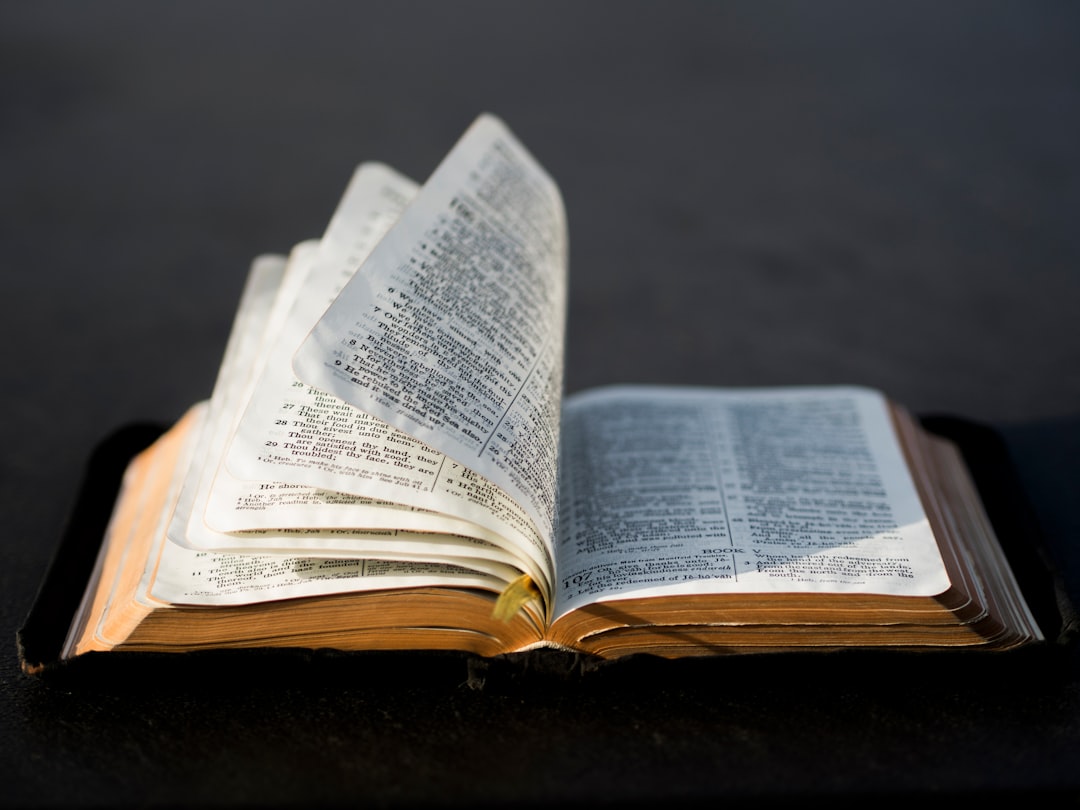
The Texas State Board of Education is reviewing a proposed list of required reading materials that includes classic literary works and selected Bible passages, raising questions about the implications for educators and students.
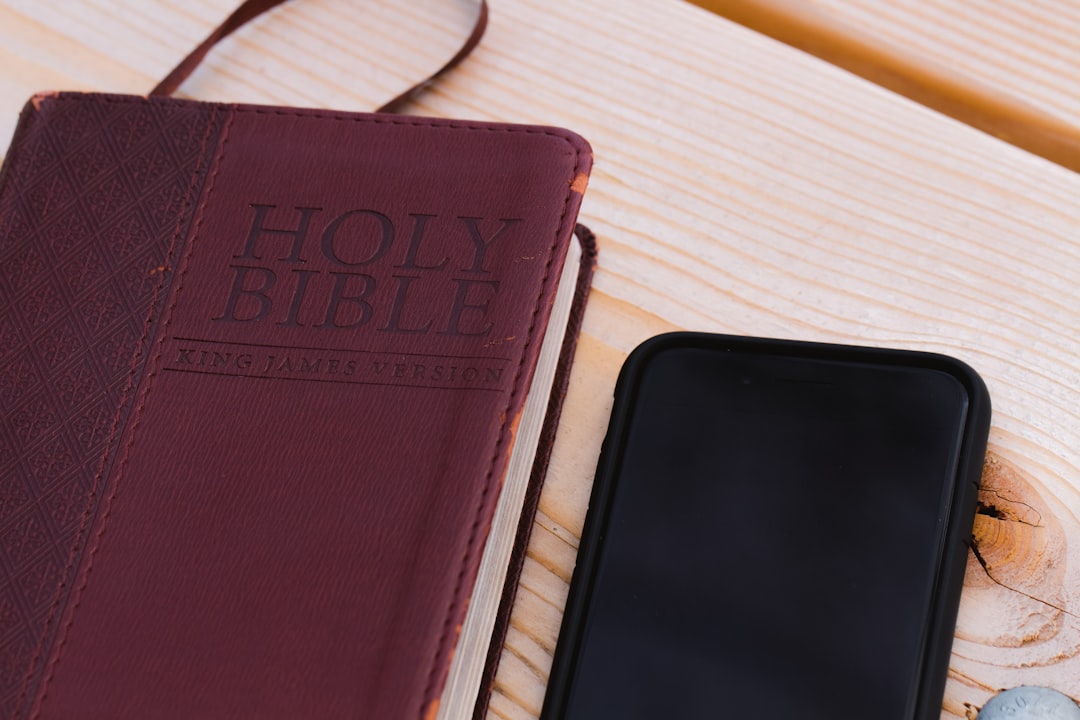
Texas is poised to introduce a significant change in its public school curriculum, potentially mandating the inclusion of Bible excerpts in reading lists. This initiative, part of a broader educational policy shift, raises questions about its implications for teachers and curriculum developers throughout the state.
The Texas State Board of Education is currently reviewing a proposed list of required reading materials that includes various classic literary works alongside selected passages from the Bible. This initiative aims to enhance students’ understanding of cultural and historical contexts, but it also introduces complex challenges for educators tasked with implementing these changes.
Impact on Literature Classes
The integration of Bible excerpts into public school reading lists will profoundly affect literature classes across Texas. Teachers will need to navigate the delicate balance between introducing religious texts and maintaining a secular educational environment. The inclusion of religious materials may lead to debates on the appropriateness of such texts within a public school setting.
As reported by the Houston Chronicle, the proposed reading list highlights specific Bible passages that educators are expected to teach. This requirement could shift the focus of literature classes from a diverse range of literary works to a more singular narrative emphasizing religious texts. Such a shift may challenge teachers who strive to provide a well-rounded literary education that encompasses various perspectives and genres.
Curriculum developers will need to adapt their instructional materials to align with the new requirements. This may involve re-evaluating existing lesson plans and resources to ensure that they incorporate the mandated Bible excerpts effectively. The challenge lies in presenting these texts in a way that fosters critical thinking and discussion without alienating students from diverse backgrounds. According to the Texas Tribune, educators are concerned about how to maintain a balance between educational integrity and the inclusion of religious texts, which could lead to a re-examination of pedagogical approaches in literature classes.
DES Pune University is embracing innovation in higher education through new leadership strategies, interdisciplinary research, and industry partnerships, aiming to prepare students for a dynamic…
The challenge lies in presenting these texts in a way that fosters critical thinking and discussion without alienating students from diverse backgrounds.
Furthermore, the inclusion of Bible excerpts may impact student engagement and interest in literature. While some students may appreciate the religious context, others could feel disconnected from the material, leading to a potential divide in classroom discussions. Teachers will need to be prepared to facilitate conversations that respect differing beliefs while promoting inclusivity. This could involve developing strategies to engage students who may not share the same religious background, ensuring that all voices are heard in discussions surrounding the texts.
Changes to State Education Policy
This proposed change in Texas education policy reflects a broader trend of integrating religious texts into public school curricula across the United States. As states grapple with the role of religion in education, Texas’s move may set a precedent for other states considering similar legislation. This trend raises questions about the future of secular education and the potential for increased religious influence in public school systems.
According to research from the Texas Tribune, this shift in policy has sparked discussions among educators and parents regarding the implications for educational standards. Some argue that the inclusion of religious texts may enrich students’ cultural literacy, while others express concerns about the separation of church and state in public education. These discussions highlight the ongoing debate surrounding educational content and the values prioritized within school systems. Critics warn that this could lead to a slippery slope where more religious content is introduced, potentially undermining the secular nature of public education.
The implications for curriculum developers are significant, as they will need to consider how to integrate these texts without compromising educational integrity. This may involve developing guidelines for teachers on how to approach religious texts in a way that encourages critical analysis and discussion. The challenge will be to ensure that students are exposed to a variety of viewpoints while adhering to the new requirements. Moreover, the introduction of Bible excerpts into reading lists may lead to increased scrutiny of educational materials and teaching practices. Teachers may face pressure from parents and community members regarding how they present religious content in the classroom, resulting in a more polarized educational environment.
Opportunities for Interdisciplinary Teaching
In addition to these challenges, the integration of Bible excerpts could open up opportunities for interdisciplinary teaching. Educators may find ways to connect religious texts with themes in history, literature, and social studies, enriching students’ overall educational experience. This interdisciplinary approach can enhance critical thinking and foster a deeper understanding of the cultural and historical significance of religious texts, allowing students to explore the impact of these texts on various aspects of society.
New York City's school system remains one of the most segregated in the U.S. City leaders are now pushing for integration, but advocates emphasize the…
Some argue that the inclusion of religious texts may enrich students’ cultural literacy, while others express concerns about the separation of church and state in public education.
Frequently Asked Questions
What are the implications of the new reading list for Texas public school teachers?
The new reading list requiring Bible excerpts will challenge Texas public school teachers to balance religious content with secular educational standards. They will need to adapt their curricula and teaching strategies to incorporate these texts while ensuring inclusivity for all students.
How should curriculum developers adapt to the inclusion of Bible passages?
Curriculum developers should consider creating guidelines that help teachers effectively integrate Bible excerpts into their lesson plans. This includes developing strategies for fostering critical discussions around religious texts while respecting diverse student beliefs.
What steps should Texas educators take to comply with the new reading requirements?
Texas educators should stay informed about the developments regarding the mandated reading list and engage in professional development opportunities focused on teaching religious texts. Collaborating with colleagues can also provide valuable insights into best practices for implementing these changes.



Education & University Insights
 Education & University Insights