No products in the cart.

Canada’s Dollar-for-Dollar Response to US Tariffs | Career Outlook
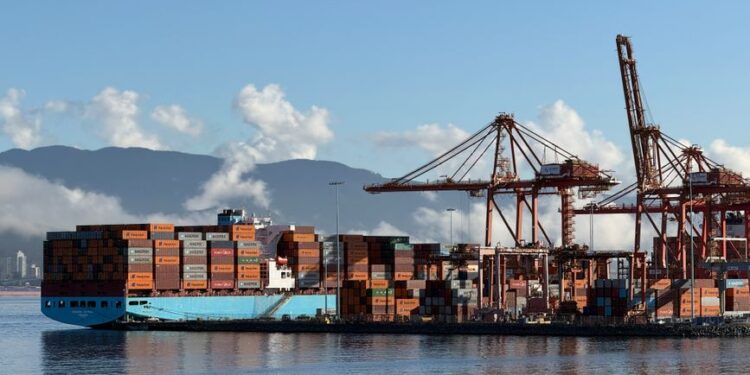
The tariffs affect a wide range of products, from everyday items like hockey sticks to industrial machinery. This move represents one of the most serious ruptures in US-Canada relations in recent years, with potential repercussions for both economies. The US Trade Representative, Jamieson Greer, has defended the tariffs…

The US has imposed a staggering 50% tariff on approximately $20 billion worth of goods imported from Canada, effective immediately. This significant trade measure comes in the wake of failed negotiations between the two countries, with both sides blaming each other for the breakdown. In retaliation, Canadian Prime Minister Mark Carney has pledged a matching “dollar-for-dollar” tariff on US products, marking a serious escalation in trade tensions between the two nations.
The tariffs affect a wide range of products, from everyday items like hockey sticks to industrial machinery. This move represents one of the most serious ruptures in US-Canada relations in recent years, with potential repercussions for both economies. The US Trade Representative, Jamieson Greer, has defended the tariffs as necessary to protect American workers and supply chains, while Canadian officials argue that the US’s last-minute demands during negotiations were unreasonable and detrimental to Canadian sovereignty.
Economic Implications for Canadian Businesses
The introduction of these tariffs will compel Canadian manufacturers and import-export managers to reevaluate their pricing strategies. With the cost of Canadian goods set to rise due to US tariffs, businesses face a critical decision: absorb the increased costs or pass them on to consumers. This decision is particularly crucial in competitive markets where price sensitivity is high.
According to industry analysts, manufacturers who rely heavily on the US market may struggle if they opt to raise prices, potentially leading to decreased sales as consumers seek more affordable alternatives. Conversely, businesses that manage to maintain competitive pricing while controlling costs could gain market share. For instance, manufacturers of essential goods, such as food and household items, must carefully assess how much of the tariff burden they can absorb without sacrificing profitability.
Additionally, import-export managers must closely monitor the exchange rate between the Canadian dollar and the US dollar, which currently stands at approximately 0.73 USD for 1 CAD. Fluctuations in this rate can significantly impact pricing strategies and profit margins, especially for businesses importing raw materials from the US. As tariffs increase, the cost of imported goods will also rise, complicating pricing decisions for Canadian businesses.
For instance, manufacturers of essential goods, such as food and household items, must carefully assess how much of the tariff burden they can absorb without sacrificing profitability.
Supply Chain Adjustments and Strategic Shifts
You may also like
 Government & Policy
MSMEs Demand Action on Rising Steel and Metal Prices
Rising material costs have been a persistent issue for MSMEs, which are already grappling with higher prices for diesel, furnace oil, and LPG.
Read More →The tariffs will also necessitate significant adjustments within Canadian supply chains. Many manufacturers depend on raw materials and components sourced from the US. With the added costs from tariffs, companies may need to reconsider their sourcing strategies, potentially shifting towards local suppliers or alternative international sources to mitigate the financial impact.
Research indicates that diversifying supply chains will be essential for Canadian manufacturers to navigate the new tariff landscape. By sourcing materials from countries with favorable trade relations, businesses can reduce their exposure to US tariffs. This shift could foster new partnerships within the Canadian manufacturing sector and prompt a reevaluation of existing trade agreements.
Furthermore, companies may need to enhance their logistics and distribution strategies to adapt to the evolving trade environment. Establishing warehouses closer to customers could reduce shipping costs and improve delivery times, ultimately benefiting customer satisfaction. As Canadian companies seek alternatives to US suppliers, they may discover opportunities in emerging markets, which could become attractive options for sourcing materials.

Political Ramifications and Future Trade Relations
The political fallout from this trade conflict is expected to be significant. The breakdown of negotiations has already strained US-Canada relations, with both sides engaging in a war of words. Prime Minister Carney has accused the Trump administration of using economic integration as a weapon, while US officials have criticized Canada for seeking additional concessions at the last minute.
Adapting to a New Trade Reality As the situation develops, Canadian businesses must remain vigilant and adaptable to the changing trade dynamics.
The tariffs could lead to job losses in sectors heavily reliant on cross-border trade, and the political implications may extend beyond economics. The Canadian public has reacted strongly to US policies, particularly under the Trump administration, which has fueled anti-American sentiment. This situation may prompt Canadian officials to seek better trade terms with other nations, potentially reshaping the landscape of international trade for Canada.
Adapting to a New Trade Reality
You may also like
 Government & Policy
SEBI Alerts Investors on Anonymous Tips, Finfluencers
Project Jagrook aims to combat the influence of anonymous financial advisors and so-called "finfluencers," who often provide misleading advice to unsuspecting retail investors.
Read More →As the situation develops, Canadian businesses must remain vigilant and adaptable to the changing trade dynamics. The coming months will be critical in determining how companies adjust to the new tariff regime and the broader economic landscape. While the immediate impact of the tariffs may be negative, there is potential for long-term benefits as businesses innovate and explore new markets.
Stakeholders across various sectors must stay informed and responsive to the evolving trade environment. The challenges posed by these tariffs may ultimately lead to a more resilient and diverse Canadian manufacturing sector, as companies seek innovative solutions to enhance their competitiveness in the global market.

Frequently Asked Questions
What strategies can import-export managers use to mitigate tariff impacts?
Import-export managers can explore alternative sourcing options to reduce reliance on US suppliers. Diversifying supply chains and seeking partnerships with countries that have favorable trade agreements can help lessen the financial impact of tariffs.
Strengthening trade agreements with countries like Mexico and those in the European Union may also provide new avenues for growth.
How should manufacturers in Canada adjust their pricing in response to US tariffs?
Manufacturers should evaluate their production costs and consider adopting value-based pricing strategies. This approach allows them to remain competitive while managing increased costs due to tariffs.
What alternative markets can Canadian manufacturers explore due to US tariffs?
Canadian manufacturers can look towards emerging markets in Latin America and Asia for new trade opportunities. Strengthening trade agreements with countries like Mexico and those in the European Union may also provide new avenues for growth.
You may also like
 Government & Policy
Pentagon Halts Anthropic AI Use After Blacklisting
The Pentagon has officially ceased using Anthropic's AI tools following the company's blacklisting due to national security concerns. This decision marks a significant shift in…
Read More →