No products in the cart.

Career Trends (2)
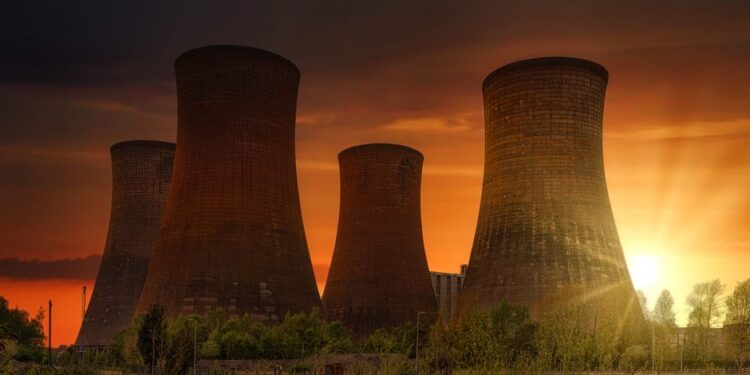
Atomic Energy Commission chairman Ajit Kumar Mohanty says private firms could contribute 30 GW toward India’s 100 GW nuclear capacity target by 2047. The investment estimate is not a hiring commitment; project approvals, designs and contracts will determine when work emerges.

India’s private sector could invest about ₹7.5 lakh crore in nuclear power and add 30 GW toward the country’s 100 GW target by 2047. Atomic Energy Commission chairman Ajit Kumar Mohanty said this on October 11, 2026. Speaking to The Hindu in Ranchi, he said he expects a couple of private players to run reactors within five years. Project construction typically takes five to seven years.[1]
The announcement suggests a possible change in project ownership and delivery, not a near-term hiring guarantee. For plant engineers, construction teams and nuclear suppliers, the key question is when proposed projects move from assessment to approved work.
Private capital could widen the project pipeline, but hiring follows approvals
Mohanty told The Hindu that India has about 9 GW of installed nuclear capacity. Nuclear Power Corporation of India Ltd (NPCIL) operates 24 reactors. Another 17 reactors, with a combined capacity of around 13 GW, are at different stages of implementation, according to the report. The proposed private contribution would add to this public-sector programme, not replace it.[1]
The ₹7.5 lakh crore figure is an expected investment, not a confirmed list of funded projects or jobs. Mohanty said private firms are assessing reactor designs, fuel supply, land and partnerships. These may include joint ventures with NPCIL and overseas technology providers. Each choice affects which engineering firms and suppliers can compete, and when they can start work.
Timing matters because Mohanty said construction typically takes five to seven years, depending on technology, regulatory approvals and site needs. In Career Ahead’s view, early hiring signals are more likely in design, site planning, safety review and procurement than in a sudden wave of reactor operating jobs. These roles can grow only as projects pass formal approval stages.
A larger fleet could create demand for construction and supply-chain professionals in civil works, heavy equipment, electrical systems, instrumentation and quality checks. But the article does not name private employers, project locations or contract dates. Until firms announce projects and awards, the 30 GW figure remains a long-term capacity goal, not a near-term vacancy count.
The report names the SHANTI Act, enacted in December 2025, as the policy change. Mohanty said it opened the sector to wider participation by public and private entities, while keeping sensitive activities under sovereign control. The rules for owning, operating or partnering on specific projects will shape the roles available to engineers and contractors.
A larger fleet could create demand for construction and supply-chain professionals in civil works, heavy equipment, electrical systems, instrumentation and quality checks.
Reactor design and safety work will set the shape of private-sector roles
Private projects could need reactor engineers who work across core systems, cooling, control and instrumentation, and plant integration. The exact mix will depend on the chosen reactor design and each project’s terms. Mohanty said firms are weighing technology and partnerships, so no single design or employer model is settled.
Nuclear safety work would cover design review, radiation protection, emergency planning, quality assurance and regulatory compliance. These skills are distinct: radiation protection staff monitor exposure and controls, while safety engineers assess hazards and show that systems meet required standards. The report gives no job criteria or new regulator hiring plan, so specific openings remain unconfirmed.
Construction teams would need engineers who can manage nuclear-grade materials, supplier records, inspection tests and strict work schedules. A defect in a standard industrial build can lead to costly rework. In a nuclear project, traceable quality records and safety checks also matter. Career Ahead’s view is that private investment may raise demand for engineers who link design requirements to site work, but only as contracts and approvals advance.

India’s three-stage nuclear programme adds another technical dimension. Mohanty described uranium-fuelled reactors in the first stage, fast breeder technology in the second and a later role for thorium after it is converted into usable fuel. The report says the Prototype Fast Breeder Reactor at Kalpakkam reached first criticality in April 2026. This marks technical progress, but does not itself create private-sector vacancies.
Small modular reactors may also offer a distinct project path. Mohanty said India is exploring them for specialised power needs, including energy-intensive industries such as steel and cement. Whether these designs become commercial projects will depend on regulation, reactor choices and business terms. Engineers should not treat the proposal as a confirmed SMR construction schedule.
Nuclear engineering graduates seeking private-sector jobs should combine core reactor knowledge with practical evidence of safety and project work.
Nuclear engineering graduates seeking private-sector jobs should combine core reactor knowledge with practical evidence of safety and project work. Useful areas include thermal-hydraulic systems, instrumentation and control, radiation protection, nuclear materials, quality assurance and safety analysis. A degree alone cannot show which firms will recruit. Named projects, partner announcements and tender activity will offer more useful signals.
Long build times make contracts the key hiring signal
A nuclear project creates work in stages: early design and site studies, licensing and safety review, procurement, construction, commissioning, then operations and maintenance. This sequence is Career Ahead’s interpretation of the five-to-seven-year build period Mohanty cited, not a published hiring calendar. Engineering and supply-chain demand may rise at different stages, rather than all at once.
Early project work can involve site engineers, civil and structural specialists, environmental and safety staff, project controls teams and procurement experts. Later stages need installation, testing, commissioning and operations staff. Private firms may also need contract managers and quality auditors to coordinate suppliers. The scale will depend on how many projects proceed.
Mohanty estimated that generating 1 MW costs around ₹25 crore, showing the high capital needs of nuclear power. That estimate does not show how much of the proposed ₹7.5 lakh crore will be spent, when firms will commit it or how many jobs it may support. Investors and power buyers will also consider electricity costs, the report notes.

The Hindu’s report describes a sector moving beyond its traditional public-sector-led model while keeping state control over sensitive work. For NPCIL-linked engineers and private contractors, this could mean more joint delivery arrangements and new links between reactor vendors, builders and operators. The report mentions possible foreign technology partnerships but names no new private firms or confirmed deals.
For plant engineers and suppliers, the main change is a potential shift in the project pipeline, not an immediate hiring surge. Reactor specialists, safety staff and construction professionals may see new openings as projects gain approvals and contracts. Graduates should distinguish announced targets from funded work when judging the market.
Graduates should distinguish announced targets from funded work when judging the market.
The next evidence to watch is whether private companies announce partners, reactor designs, sites and procurement plans. These milestones would turn a national capacity goal into identifiable engineering work and hiring needs. Until then, India’s 30 GW private-sector ambition is a major industry signal, but its timing remains uncertain.
Frequently Asked Questions
What skills will nuclear power plant engineers in India need for private-sector projects?
Relevant skills include reactor systems, instrumentation and control, radiation protection, nuclear safety analysis, quality assurance and project delivery. The exact mix will depend on the reactor design and project stage. Mohanty said private firms are still assessing technologies and partnerships.
Could the 30 GW nuclear target create construction and supply-chain jobs in India?
It could increase demand for civil, electrical, instrumentation, procurement and quality roles if projects enter approved construction. Mohanty said nuclear builds often take five to seven years. The reported target does not confirm job numbers or project start dates.

What should nuclear engineering graduates do to prepare for private-sector hiring in India’s nuclear industry?
Graduates can build a strong base in reactor engineering, radiation protection, safety analysis and nuclear-grade quality systems. Relevant project or lab experience can support this training. Private hiring plans remain uncertain, so announced projects and contracts are more reliable signals than the 2047 target alone.