No products in the cart.

CBSE Orders Schools To Start Teaching Third and the New Career Landscape

The Central Board of Secondary Education (CBSE) has mandated that schools implement a third language curriculum for Class 6 students within seven days, raising concerns about resource availability and the implications for linguistic diversity in India.

New Delhi, India — The Central Board of Secondary Education (CBSE) has directed schools to implement a third language curriculum for students in Class 6, effective immediately. This decision, announced on April 9, 2026, has stirred significant discussion among educators, parents, and policymakers regarding its implications for linguistic diversity in India.
According to the CBSE’s circular, schools must start teaching a third language (R3) within seven days. The curriculum mandates that students learn two of the three languages from the eight listed in the Constitution of India. However, the textbooks for these languages are not yet available, prompting the board to instruct schools to use locally available materials in the interim. This urgent implementation has raised concerns about the preparedness of schools to adapt to such a significant change.
Alignment with National Education Policy
This move is part of the CBSE’s broader effort to align with the National Education Policy (NEP) 2020, which emphasizes multilingual education as a means to enhance students’ cognitive and academic abilities. The NEP advocates for a holistic approach to education that recognizes the importance of linguistic diversity in fostering a more inclusive society. However, the urgency of this implementation raises questions about the readiness of schools to adapt to such a significant change.
The introduction of a third language requirement aims to promote regional languages and foster unity in diversity. However, it also highlights the challenges of balancing national and local linguistic identities. Critics argue that the policy may inadvertently prioritize Hindi over other regional languages, especially in states where Hindi is not the native language. Tamil Nadu Chief Minister MK Stalin has criticized the policy as a move towards linguistic imposition, claiming it undermines the cultural heritage of non-Hindi speaking regions. He stated that this policy is not merely an academic reform but a strategic attempt to elevate Hindi at the expense of regional languages, which could lead to social unrest.
This requirement could lead to a competitive environment among languages, as schools might opt for languages that are perceived as more beneficial for students’ future prospects, potentially sidelining less commonly spoken languages.
Concerns Over Implementation
Furthermore, the CBSE’s directive emphasizes the need for schools to finalize their chosen R3 languages and report them to the board. This requirement could lead to a competitive environment among languages, as schools might opt for languages that are perceived as more beneficial for students’ future prospects, potentially sidelining less commonly spoken languages. The lack of immediate access to textbooks raises concerns about the quality of education during this transition. Schools may struggle to provide adequate resources for teachers and students, which could hinder the effectiveness of the new curriculum.
You may also like
 Education & University Insights
AI’s Impact, Rare Earths Demand, College Enrollment Crisis
The decline in college enrollment is not a new phenomenon, but it has accelerated in the past few years.
Read More →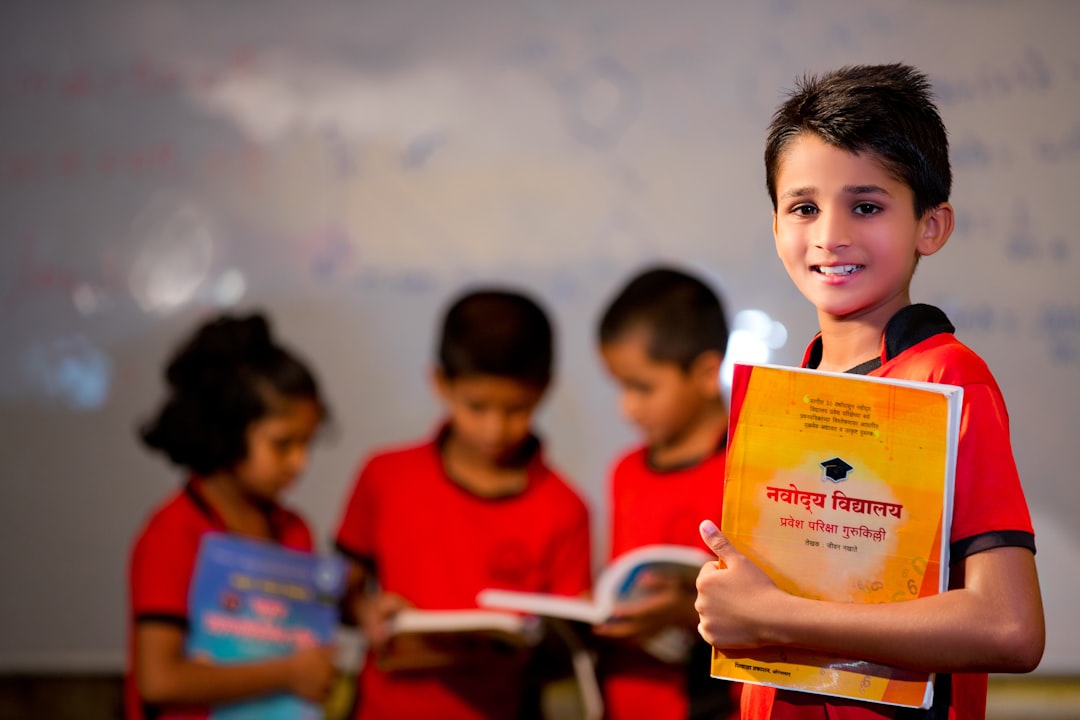
Mixed Reactions from Educators and Parents
Educators have expressed mixed feelings about the new policy. Some support the initiative, believing that learning multiple languages can enhance cognitive skills and cultural awareness. They argue that exposure to different languages can prepare students for a globalized world, where multilingualism is increasingly valued. However, others are skeptical about the implementation timeline. Many schools may not have the necessary infrastructure or trained staff to effectively teach a third language within such a short period. The rapid rollout could lead to inadequate preparation, which might ultimately affect students’ learning experiences.
Parents have also voiced their concerns, particularly regarding the implications for their children’s future. Some worry that the focus on a third language may detract from essential subjects like mathematics and science. Others fear that the policy could create additional pressure on students, who are already navigating a demanding academic landscape. The emphasis on regional languages may not resonate equally across the country. In urban areas, where English and Hindi dominate, the need for a third language may be perceived differently than in rural regions, where local languages are integral to daily life.

Future Implications of the Policy
The CBSE’s directive has sparked a debate about the effectiveness of such a policy in a country as linguistically diverse as India. The board’s push for a third language is seen by some as a necessary step towards fostering linguistic inclusivity, while others view it as a potential source of conflict among different linguistic communities.
Some support the initiative, believing that learning multiple languages can enhance cognitive skills and cultural awareness.
This policy’s rollout may also influence how other educational boards approach language instruction, potentially leading to a nationwide shift in educational priorities. As the situation unfolds, the focus will remain on how well schools can meet the challenges posed by this new directive. The successful implementation of this policy will depend on various factors, including resource availability, teacher training, and community support.