


ChatGPT’s new feature, Computer History, tracks user clicks and keystrokes to enhance its functionality. Launched on August 16, 2026, it has sparked serious concerns about user privacy and data security. Monitoring user activity poses significant questions, particularly for professionals in sensitive roles such as Data Privacy Officers, software developers, and cybersecurity analysts.
The Computer History feature aims to improve user experience by learning how individuals work and suggesting automations. It operates on an opt-in basis, meaning users must actively choose to enable it. Users can exclude certain apps and websites from tracking and delete specific entries. While OpenAI states it will not capture images, videos, or audio, the tracking of keystrokes and clicks remains a concern for many.
Data Privacy Officers: Navigating New Challenges
Data Privacy Officers (DPOs) face new challenges with ChatGPT’s Computer History. Tracking user interactions may conflict with data protection regulations like the General Data Protection Regulation (GDPR) in Europe, which requires clear user consent for data collection and processing. DPOs must ensure users understand what they consent to and how their data will be used.
The feature’s design raises questions about transparency and user agency. DPOs must advocate for practices that protect user privacy while balancing the benefits of AI tools. Organizations may need to update their data handling policies to accommodate AI applications like ChatGPT.
Another concern for DPOs is the risk of data misuse. If sensitive information is recorded unintentionally, it could lead to serious breaches of confidentiality. Implementing strong data governance frameworks, including regular audits and assessments of the data collected through AI features, is essential.
As AI tools become more integrated into business processes, DPOs must stay informed about ongoing regulatory changes and adapt their strategies accordingly. Collaboration with technology teams will be crucial to ensure compliance while leveraging AI capabilities.
Implementing strong data governance frameworks, including regular audits and assessments of the data collected through AI features, is essential.
Software Developers: Ensuring Clear User Consent
Software developers play a critical role in implementing features like ChatGPT’s Computer History. They must ensure the user consent process is clear and transparent, designing interfaces that effectively communicate the implications of enabling tracking features. Creating user-friendly settings that allow individuals to manage their data preferences easily is essential.
 AI & Technology
ChatGPT’s Teen Safety Concerns Uncovered
A recent report by Common Sense Media highlights significant safety gaps in ChatGPT for Teens, raising alarms about its use among young users. Key issues…
Read More →Developers must also understand the legal implications of data collection, incorporating privacy by design principles from the start of feature development. Conducting impact assessments to evaluate how applications may affect user privacy is necessary. There is a growing need for developers to be trained in data protection laws and ethical AI practices.
As AI applications evolve, developers must anticipate user concerns about data security. The risk of data breaches increases with the amount of information collected, necessitating strong security measures to protect user data and ensure resilience against cyber threats.
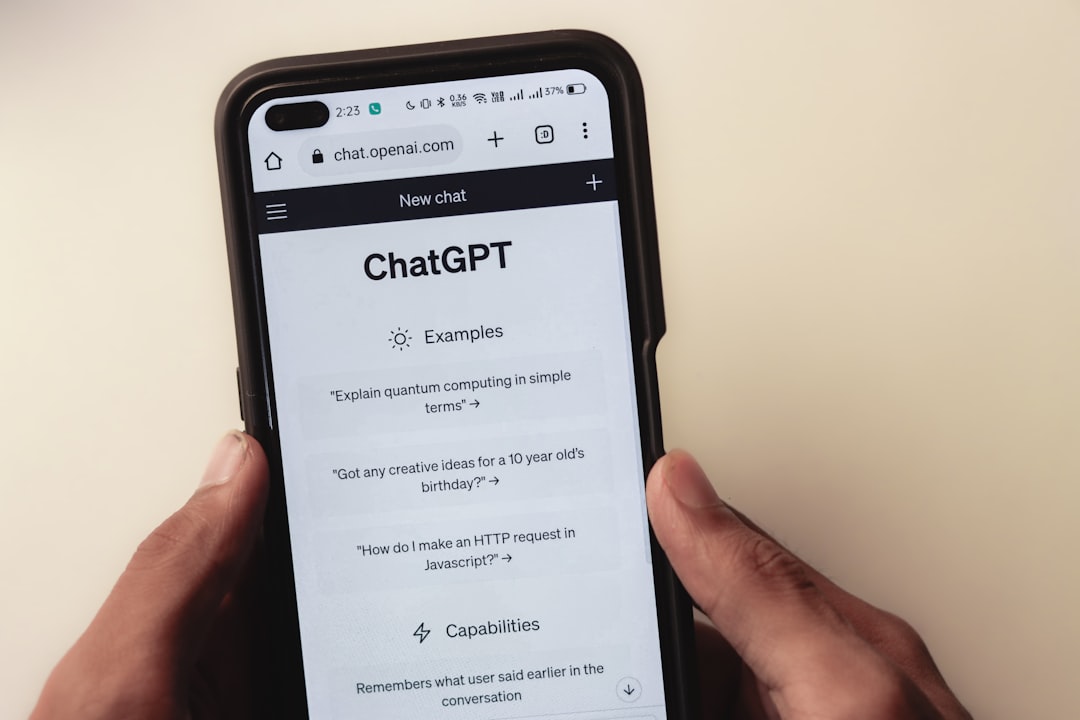
Promoting a culture of transparency within organizations is also vital. By openly communicating about data practices, developers can build trust with users, enhancing user experience and aligning with regulatory expectations.
Promoting a culture of transparency within organizations is also vital.
Cybersecurity Analysts: Addressing Data Tracking Vulnerabilities
Cybersecurity analysts must assess the risks linked to ChatGPT’s Computer History feature. Tracking user clicks and keystrokes introduces new vulnerabilities that malicious actors could exploit. Analysts need to evaluate how this data is stored, processed, and transmitted to identify potential security gaps.
A significant risk is keystroke logging, which can capture sensitive information like passwords and personal data. Cybersecurity teams must implement advanced monitoring systems to detect unusual activities that may indicate a breach. Regular security assessments and penetration testing will be essential to identify weaknesses in the system.
 AI & Technology
The Rising Stakes of AI Data Center Infrastructure
The bidding war for TDK's critical unit is heating up, driven by the rising demand for AI data center infrastructure. This competition is reshaping investment…
Read More →Additionally, analysts should collaborate with data privacy teams to ensure data protection measures are in place, including developing incident response plans to address potential data breaches from AI features. Organizations must prioritize cybersecurity training for all employees, especially those involved in developing and managing AI tools.
As AI technologies advance, cybersecurity analysts will face new challenges in protecting user data. They must remain adaptable and proactive in their security approach, keeping up with emerging threats and vulnerabilities.
ChatGPT’s Computer History feature highlights the intersection of AI functionality and user privacy concerns. As organizations adopt such technologies, the implications for data privacy, user consent, and cybersecurity will grow. Addressing these challenges will shape the future of AI applications in the workplace.
Addressing these challenges will shape the future of AI applications in the workplace.
Frequently Asked Questions
What are the implications of ChatGPT’s tracking features for data privacy officers?
DPOs must navigate the complexities of user consent and data protection regulations with ChatGPT’s tracking features, ensuring compliance with laws like GDPR while advocating for user privacy.
How should software developers address user consent in light of new AI features?
Developers must design clear and transparent consent processes for users when implementing AI features like ChatGPT’s Computer History, creating user-friendly settings for data management.

What steps should cybersecurity analysts take to mitigate risks from AI data tracking?
Cybersecurity analysts should assess security risks associated with AI features, implement strong monitoring systems, and collaborate with data privacy teams to develop incident response plans.
Written by Career Ahead AI. AI can make mistakes, so verify key facts. Report errors to support@careeraheadonline.com.





