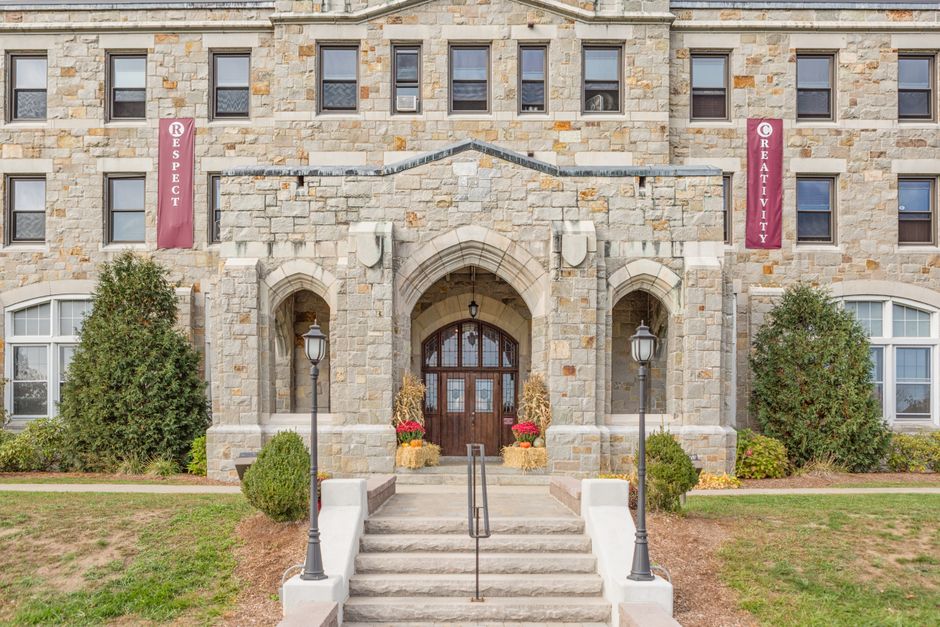
Cornell University closed its Chi Phi chapter following serious allegations of sexual assault made by a female student. This decision, announced on September 29, 2026, marks a significant moment in the ongoing scrutiny of Greek life organizations at universities across the United States.
The Chi Phi fraternity, one of the oldest at Cornell, has faced increasing pressure in recent years regarding its role in campus culture and safety. Following the allegations, the university emphasized its commitment to ensuring a safe environment for all students, highlighting the need for accountability in Greek life organizations.
Impact on Fraternity Recruitment Processes
The closure of the Chi Phi chapter is likely to have immediate repercussions on fraternity recruitment at Cornell. With the chapter’s exit from the campus, potential new members will have fewer options, which may lead to a decline in overall fraternity involvement. This situation could diminish the traditional appeal of Greek life, particularly for students interested in joining well-established organizations.
Career Ahead’s analysis finds that the reduction in recruitment options may push potential members toward more accountable and transparent organizations. As students increasingly prioritize safety and ethical behavior, those fraternities that demonstrate a commitment to these values may see an uptick in membership. Furthermore, the scrutiny faced by Chi Phi may lead to a reevaluation of recruitment practices across all Greek organizations, prompting a shift towards more stringent vetting processes for new members.
In response to the allegations, Cornell administrators may implement new guidelines for recruitment that require fraternities to demonstrate their commitment to safety and inclusion. This could include mandatory training sessions on sexual assault prevention and clear protocols for reporting misconduct. Such measures would not only benefit students but also enhance the reputation of Greek life on campus.
Moreover, the situation surrounding Chi Phi may inspire other universities to take similar actions. As institutions across the country grapple with the implications of Greek life on student safety, a trend towards stricter regulations and oversight could emerge. This could fundamentally change the landscape of fraternity recruitment nationwide, pushing organizations to adopt a more proactive stance on issues of safety and accountability.
As institutions across the country grapple with the implications of Greek life on student safety, a trend towards stricter regulations and oversight could emerge.
Ultimately, the fallout from the Chi Phi chapter closure could lead to a broader cultural shift within Greek life. The emphasis on ethical practices and accountability may redefine what it means to be part of a fraternity, encouraging a new generation of students to engage with Greek life in a more responsible manner.
Potential Policy Changes in Greek Life Oversight
 Education & University Insights
What to Know About France’s High School Protests | Workforce Shift
The unrest began in early October 2026, fueled by changes in the educational curriculum and policies that students believe undermine their rights and educational quality.
Read More →Following the closure of the Chi Phi chapter, Cornell University is likely to reassess its policies regarding Greek life oversight. The incident has brought to light the need for deeper scrutiny of fraternity operations and the implementation of enhanced safety protocols. Career Ahead’s analysis suggests that this could lead to the establishment of more comprehensive regulations governing fraternity conduct and operations.
One potential policy change could involve the introduction of mandatory training sessions for all fraternity members, focusing on sexual assault prevention and awareness. Such initiatives would aim to educate members on the importance of fostering a safe environment and understanding consent. By prioritizing education, universities can empower students to take responsibility for their actions and create a culture of respect within Greek organizations.
Additionally, Cornell may also consider implementing stricter reporting requirements for incidents of misconduct. This could involve creating more accessible channels for students to report allegations without fear of retribution. By establishing an open dialogue regarding safety concerns, universities can better address issues before they escalate.

Furthermore, the university’s response to the Chi Phi allegations may serve as a catalyst for other institutions to follow suit. Schools across the nation may look to Cornell’s actions as a model for reforming their own Greek life policies. This could potentially lead to a nationwide movement towards greater accountability and oversight in fraternity operations, creating a safer environment for all students involved.
As part of this shift, institutions may also begin to evaluate the role of alumni in fraternity governance. Encouraging alumni to engage in mentorship and oversight could help ensure that current members adhere to established guidelines and best practices. This collaborative approach may foster a sense of community responsibility, ultimately enhancing the integrity of Greek life.
With growing concerns about campus safety and the culture of Greek life, the Chi Phi incident has created an opportunity for universities to make meaningful changes. By reevaluating their policies and implementing stricter oversight, institutions can take significant steps towards ensuring a safer environment for all students.
Many universities are now recognizing the need for comprehensive education programs that address the complexities of consent and healthy relationships.
Increased Scrutiny on Sexual Assault Prevention Training
The allegations against the Chi Phi fraternity have intensified the focus on sexual assault prevention training within Greek life. Many universities are now recognizing the need for comprehensive education programs that address the complexities of consent and healthy relationships. This incident serves as a wake-up call for institutions to prioritize these initiatives.
 Education & University Insights
India’s Higher Education Agenda Puts Skills, Research and Faculty First
A panel framed the debate around India@2047, while a university chancellor said competitive research ecosystems can take 10–15 years to develop.
Read More →Career Ahead’s research identifies that effective training programs can significantly reduce the incidence of sexual assault on college campuses. By providing students with the tools and knowledge to recognize and prevent misconduct, universities can foster a culture of respect and accountability. Such training should be tailored to the unique dynamics of Greek life, ensuring that fraternity members understand their responsibilities as leaders within their organizations.
In light of the Chi Phi chapter closure, Cornell may enhance its training requirements for fraternities, mandating participation in programs that emphasize consent, bystander intervention, and reporting procedures. These measures would not only protect students but also promote a sense of community responsibility among fraternity members.

Moreover, the focus on sexual assault prevention is likely to extend beyond fraternity training programs. Universities may begin to incorporate these initiatives into the broader campus culture, encouraging all students to engage in discussions about consent and safety. This holistic approach can create a supportive environment for survivors and empower individuals to take action against misconduct.
As scrutiny on Greek life continues to mount, it is essential for universities to stay ahead of the curve. By proactively enhancing sexual assault prevention training and fostering a culture of accountability, institutions can work towards a safer and more inclusive campus environment.
As students demand greater accountability and transparency, universities must respond with policies that reflect these values, shaping the next generation of fraternity culture.
The future of Greek life at Cornell and similar institutions hinges on their ability to adapt to these changing expectations. As students demand greater accountability and transparency, universities must respond with policies that reflect these values, shaping the next generation of fraternity culture.
Frequently Asked Questions
What should Greek life members do in response to the assault accusations?
Greek life members should engage in open discussions about the allegations and consider how their organizations can improve safety and accountability. They should also participate in training sessions that focus on sexual assault prevention and foster a culture of respect within their chapters.
How can college administrators improve safety protocols for fraternities?
 Education & University Insights
How to Check Your Campus Placement Route and Eligibility
On-campus, off-campus and pool placements work differently. Engineering drives may use a test covering coding, maths, English and critical thinking.
Read More →College administrators can improve safety protocols by implementing mandatory training programs on sexual assault prevention for all fraternity members. Additionally, establishing clear reporting mechanisms for misconduct and fostering open communication about safety concerns can help create a more secure environment.

What are the best practices for preventing sexual assault in Greek life organizations?
Best practices for preventing sexual assault in Greek life include providing comprehensive training on consent and healthy relationships, encouraging bystander intervention, and creating accessible reporting channels for students. These measures can help foster a culture of accountability and respect within Greek organizations.
Written by Career Ahead AI. AI can make mistakes, so verify key facts. Report errors to support@careeraheadonline.com.