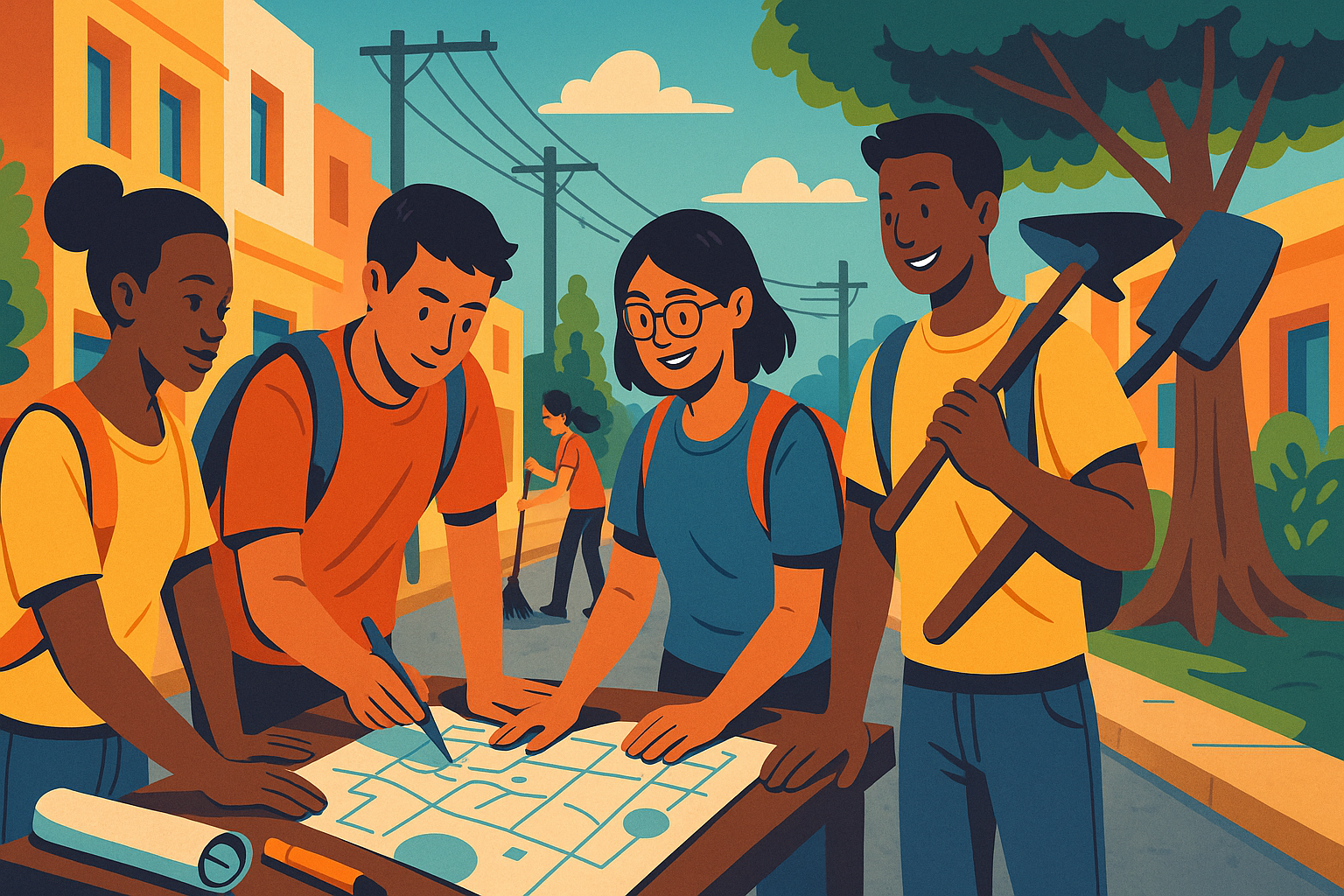
France has witnessed a wave of high school protests in recent weeks, with students rallying against educational reforms they deem detrimental. The protests have spread across various regions, with thousands of students participating in demonstrations calling for greater involvement in decision-making processes regarding their education.
The unrest began in early October 2026, fueled by changes in the educational curriculum and policies that students believe undermine their rights and educational quality. This surge of activism highlights a significant moment in France’s educational landscape, as students increasingly demand a voice in their learning environments.
Key Issues Driving the Protests
The primary issues driving the protests include proposed changes to the curriculum that many students feel do not reflect their needs or aspirations. Students are particularly concerned about the reduction of elective subjects, which they believe limits their ability to explore diverse interests and career paths. Research from Delveintoeurope emphasizes that a well-rounded education is critical for students to develop skills necessary for the modern workforce.
Moreover, students have expressed frustration over the lack of transparency in the decision-making process regarding educational reforms. Many feel that their opinions are not being considered, leading to a growing sense of disenfranchisement among the youth. This sentiment is echoed by educators who recognize the importance of involving students in discussions about their education. The disconnect between students and educational authorities has been documented in various studies, including a report from Worldlyknown, which highlights how student engagement is vital for fostering a positive educational environment.
Mental Health and Societal Concerns
Another factor contributing to the protests is the perceived inadequacy of mental health resources within schools. Students have been vocal about their need for better support systems, especially in light of the pressures they face academically and socially. The protests have become a platform for students to advocate for their mental well-being, demanding more resources and support from educational institutions. The urgency of this issue is underscored by increasing reports of mental health challenges among adolescents, prompting calls for schools to prioritize mental health initiatives.
The disconnect between students and educational authorities has been documented in various studies, including a report from Worldlyknown, which highlights how student engagement is vital for fostering a positive educational environment.
 Education & University Insights
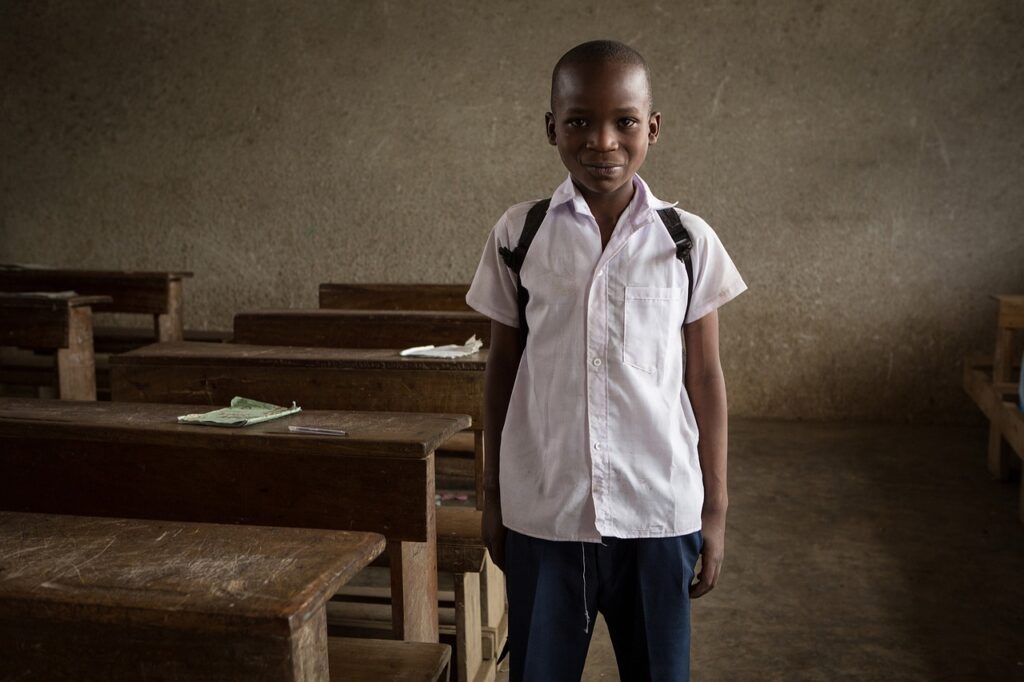
Valmiki Jayanti School Closures Have Ended
Delhi's announced programme included discussions on Maharishi Valmiki's life and teachings; bank calendars listed different closures by city.
Read More →In addition to these concerns, students are increasingly aware of broader societal issues affecting their futures, such as climate change and economic instability. They are calling for educational policies that not only address their immediate academic needs but also prepare them for the challenges of the future. This intersection of educational and societal concerns reflects a growing trend of student activism in France. The current generation of students is more politically and socially aware than ever, often drawing connections between their education and larger global issues, which has fueled their activism.
Responses from Educators and Institutions
In response to the protests, educators are beginning to rethink their engagement strategies with students. Many are advocating for more inclusive practices that prioritize student voices in the educational process. Research indicates that schools fostering open communication and collaboration with students are more likely to create a positive learning environment. This shift is not only beneficial for students but also enhances the overall educational experience, encouraging a culture of mutual respect and understanding.

Some educational institutions are already implementing changes based on student feedback. For instance, schools are exploring ways to expand elective offerings and provide more opportunities for students to participate in decision-making processes. This shift signifies a recognition of the importance of student agency in education. However, the path forward is not without challenges. Educators face the task of balancing curriculum requirements with the need to respond to student demands, requiring innovative thinking and a willingness to adapt to the evolving educational landscape.
Future of Educational Reform in France
The protests have sparked discussions among policymakers about the future of education in France. There is a growing recognition that educational reforms must be student-centered, taking into account the voices and needs of the youth. This could lead to significant changes in educational policy, shaping the future of France’s education system. The ongoing dialogue between students and educators may pave the way for a more inclusive and responsive education system, which could serve as a model for other countries facing similar challenges.
As these discussions unfold, educators are encouraged to engage with students actively. This engagement can take many forms, from student forums to collaborative projects that allow students to express their ideas and concerns. By fostering a culture of dialogue, educators can help bridge the gap between students and the educational system. The willingness of educators to adapt and listen to their students will be crucial in determining the success of these reforms and the overall health of the educational environment.
 Education & University Insights
BITS Design School Opens 2027 BDes Applications
Applicants can qualify through BITSDAT, UCEED or NID DAT Prelims; BITSDAT remains mandatory, with test slots from March 29 to April 5, 2027.
Read More →The high school protests in France represent a pivotal moment in the evolution of student activism. As students continue to advocate for their rights and needs, it is likely that we will see a sustained push for change within the educational system. This trend could lead to more significant reforms in how education is delivered and experienced in France. The outcome of these protests could redefine the relationship between students and educational authorities in the country.
The willingness of educators to adapt and listen to their students will be crucial in determining the success of these reforms and the overall health of the educational environment.

Frequently Asked Questions
What are the main issues driving the high school protests in France?
The protests are primarily driven by concerns over curriculum changes that limit elective subjects, lack of transparency in decision-making, and inadequate mental health resources. Students are advocating for a more inclusive educational environment that addresses their needs and aspirations.
How can educators support students during protests?
Educators can support students by actively engaging in dialogue about their concerns and incorporating student feedback into educational practices. This collaboration can foster a more positive learning environment and empower students.

What should high school students do to voice their concerns effectively?
Students can voice their concerns by participating in organized protests, engaging in discussions with educators, and utilizing platforms to express their ideas. This proactive approach can help amplify their voices and drive meaningful change.
Written by Career Ahead AI. AI can make mistakes, so verify key facts. Report errors to support@careeraheadonline.com.