No products in the cart.

China and the New Career Landscape
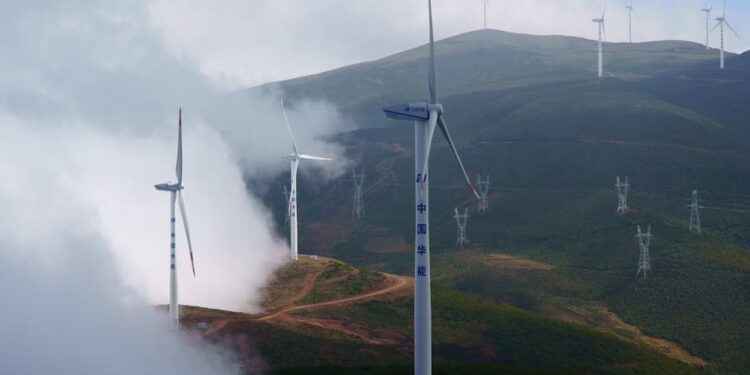
China is facing a significant renewable energy crisis. As of April 2026, the nation is wasting a staggering amount of renewable power, with curtailments reaching alarming levels. This situation is critical as China had previously relaxed limits on renewable energy to accelerate solar and wind usage. However, the current rates…

China is facing a significant renewable energy crisis. As of April 2026, the nation is wasting a staggering amount of renewable power, with curtailments reaching alarming levels. This situation is critical as China had previously relaxed limits on renewable energy to accelerate solar and wind usage. However, the current rates of wastage are undermining these efforts.
According to recent reports, China’s renewable energy curtailments have increased sharply. In some regions, particularly in the northwest, the curtailment rates have exceeded 30%. This means that more than a quarter of the potential renewable energy generated is not being utilized. Such inefficiencies are particularly concerning given China’s ambitious goals for carbon neutrality by 2060.
The rise in curtailments is attributed to several factors, including grid limitations and a lack of storage capacity. With the rapid expansion of renewable energy sources, the existing grid infrastructure struggles to keep pace. This mismatch leads to significant amounts of energy being wasted, which could otherwise contribute to the national grid.
Impacts on Energy Policy and Economy
As reported, companies in the renewable sector are facing financial pressures due to these inefficiencies, which could hinder future investments in clean energy projects.
The increase in renewable energy curtailments poses serious implications for China’s energy policy. The government has made substantial investments in renewable technologies, aiming to transition away from fossil fuels. However, the current wastage undermines these investments and raises questions about the effectiveness of existing policies.
Moreover, the economic implications are significant. Wasted renewable energy translates into lost revenue for energy producers and affects the overall energy market. As reported, companies in the renewable sector are facing financial pressures due to these inefficiencies, which could hinder future investments in clean energy projects. For instance, the real estate sector’s downturn, with companies like China Vanke seeking to delay bond payments to avoid defaults, further complicates the situation by limiting available capital for renewable investments. This financial strain could lead to a slowdown in the transition to cleaner energy sources.
You may also like
 AI & Technology
Decentralized AI Governance Reshapes SME Risk Landscape
Only 29% of small‑medium enterprises have a comprehensive AI governance plan, while 55% have already deployed AI tools.
Read More →In addition, curtailments can lead to increased reliance on coal and other fossil fuels during peak demand periods. This reliance contradicts China’s commitment to reducing carbon emissions and achieving sustainable growth. The government must address these challenges to align energy production with national goals.
Technological Solutions and Future Outlook
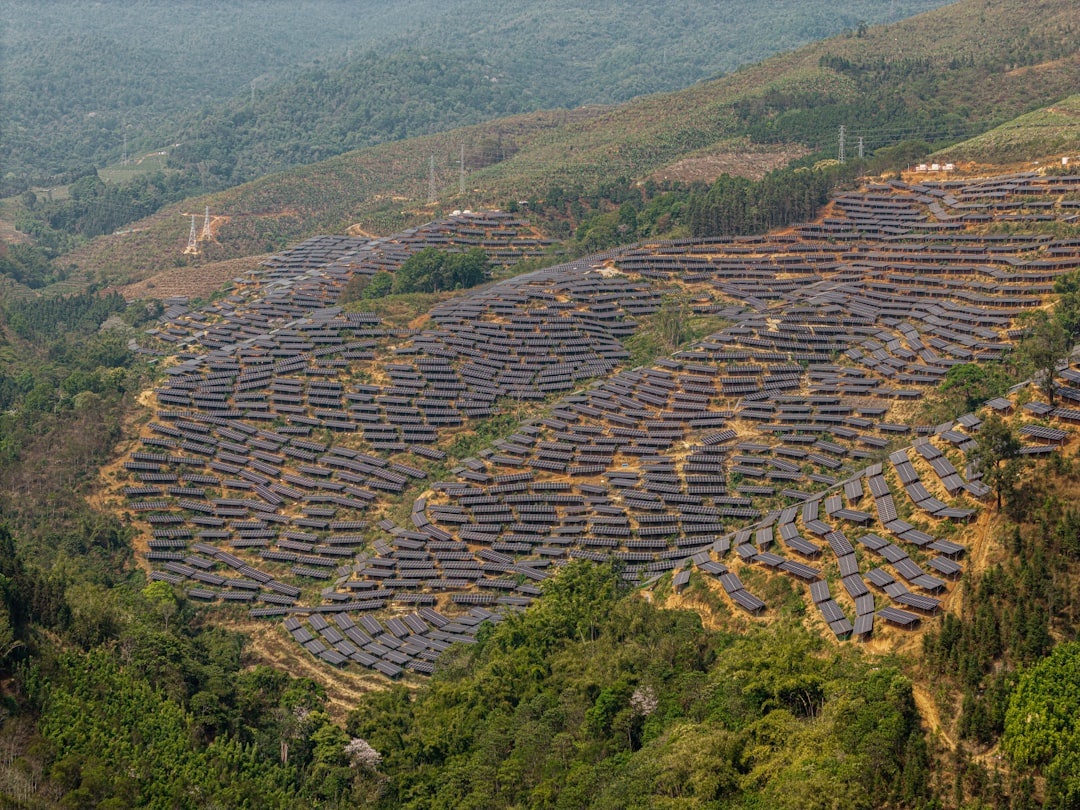
Addressing the issue of renewable energy wastage requires a multifaceted approach. Technological advancements in energy storage and grid management are crucial. Innovations such as battery storage systems can help store excess energy generated during peak production times, making it available when demand is high. As highlighted in a recent Bloomberg article, the potential for energy storage to mitigate curtailments is significant, yet underutilized in the current infrastructure.
Moreover, upgrading the grid infrastructure is essential to accommodate the growing share of renewable energy. Smart grid technologies can enhance the efficiency of energy distribution, reducing curtailment rates. Investments in these technologies are necessary to ensure the long-term viability of renewable energy in China. The government is likely to take further steps to mitigate curtailments, including regulatory changes to incentivize investment in storage technologies and grid upgrades. Increased collaboration between private companies and the government could foster innovation in the renewable sector.
Technological advancements in energy storage and grid management are crucial.

However, the path forward is not without challenges. As global energy markets fluctuate, particularly with recent developments in the Middle East affecting oil prices, China’s energy strategy may need to adapt rapidly. The interplay between international energy dynamics and domestic policy will be critical in shaping the future of renewable energy in China.
Global Implications of China’s Energy Wastage
You may also like
 AI & Technology
Waymo’s Growth Exposes New Autonomous Vehicle Challenges
Waymo's expanding fleet of driverless cars brings forth unique challenges for engineers and urban planners. As the company navigates new edge cases, the need for…
Read More →The rising curtailments of renewable energy in China highlight the importance of effective energy policies not just within its borders but globally. As the world increasingly shifts towards sustainability, understanding these dynamics can inform future career choices and investments in the energy sector. Countries around the world are observing China’s strategies and outcomes as they navigate their own renewable energy transitions. The lessons learned from China’s experience could shape global energy policies and investment trends.
In conclusion, the current renewable energy crisis in China poses significant questions about the future of energy in the country. Will the government successfully implement the necessary changes to reduce wastage and meet its ambitious climate goals? The coming months will be critical in determining the trajectory of China’s energy landscape, especially as the nation grapples with both internal economic pressures and external geopolitical challenges.