The Philippines is seeing a surge in rooftop solar energy. This growth is largely due to investments from Chinese companies like Jinko Solar. As electricity costs rise, many households and businesses are turning to solar solutions. This shift is changing consumer habits and creating new opportunities for solar installers and investors nationwide.
Recently, over 700 people gathered in Davao City to learn about the latest solar panel technology from Jinko Solar. This event shows a growing interest in renewable energy. The increase in attendance reflects strong consumer demand for solar energy, mainly driven by high electricity bills. A Bloomberg report indicates that more Filipino households are prioritizing energy independence and sustainability as they seek alternatives to traditional energy sources.
Rising Electricity Costs Drive Solar Adoption
Filipino households face rising electricity prices, prompting many to look for alternatives. The Department of Energy (DOE) reports that average electricity rates have increased significantly. This has led to a growing interest in solar energy. In response, the government has made it easier to approve rooftop solar installations by removing some permits that slowed down deployment. This change is important as it supports the government’s goal of increasing renewable energy in the country’s energy mix.
A report from the Philippines News Agency states that the Energy Regulatory Commission (ERC) will soon release new regulations. These regulations will further support the growth of rooftop solar projects. The ERC’s changes are expected to simplify the installation process, making it easier for households to adopt solar technology. Gulf News notes that these changes are part of a broader initiative to promote renewable energy solutions across the country.
These regulations will further support the growth of rooftop solar projects.
Career Ahead research shows that the shift to solar energy is not just a response to rising costs. It also reflects a trend toward energy independence. Homeowners see solar installations as long-term investments that can save money over time, despite initial costs. Many Filipinos are also becoming more aware of the environmental benefits of solar energy, influencing their decisions.
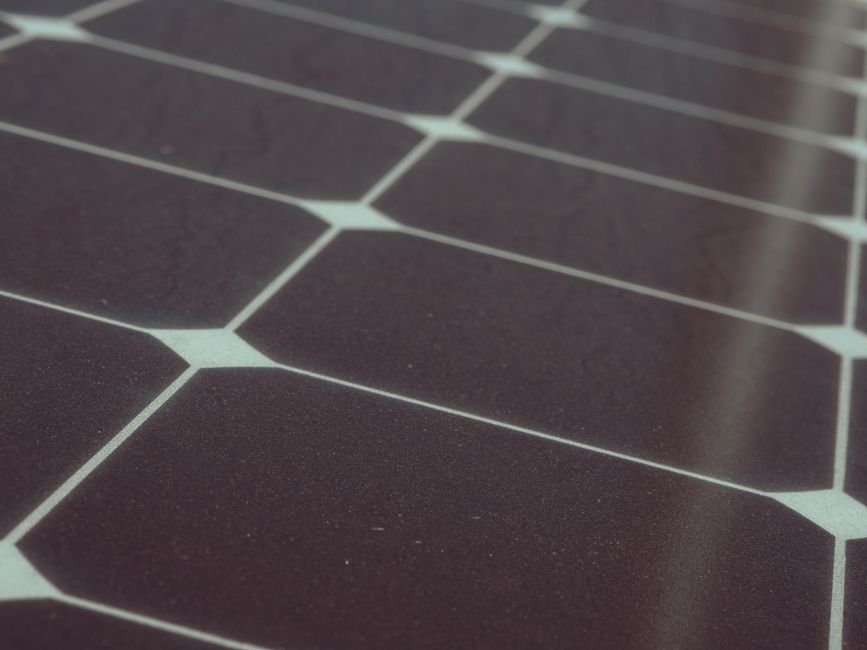 Industry & Global Trends
US Solar Panel Makers Try to Catch China With a Big Leap
As of October 2026, US solar panel manufacturers are making significant strides in technology, particularly with tandem solar panels, to enhance efficiency and regain market…
Read More →As consumers learn more about solar energy benefits, demand for installation services is likely to increase. Solar installers in the Philippines should prepare for more inquiries as households transition to renewable energy. The growing availability of financing options and government incentives supports this trend, making solar installations more accessible to a wider audience.
Investment Opportunities in Solar Energy Projects
The rising demand for rooftop solar systems offers significant investment opportunities for local and international investors. Chinese companies, especially Jinko Solar, are leading the way in providing affordable and efficient solar technologies. Their involvement is key to making solar energy accessible to more Filipinos. According to Biztoc, Jinko Solar’s innovative technologies enhance solar panel efficiency and lower costs associated with solar energy adoption.
Moreover, the Philippine government is actively creating a favorable environment for renewable energy investments. It has introduced programs to incentivize solar energy adoption, including tax breaks and subsidies for solar panel installations. This supportive framework attracts local and foreign investors eager to capitalize on the growing market. The potential for high returns on investment is drawing interest from various sectors, as the solar market in the Philippines is expected to expand significantly in the coming years.
Career Ahead’s analysis indicates that the solar sector in the Philippines could see rapid growth.
Career Ahead’s analysis indicates that the solar sector in the Philippines could see rapid growth. Rising electricity prices, government support, and increased consumer awareness create ideal conditions for investment in solar energy projects. Investors who act quickly may find lucrative opportunities in this emerging market. As the market matures, there will likely be a need for skilled labor in solar panel installation and maintenance. This suggests a potential skill gap, indicating that training programs may need to be developed for the solar industry.

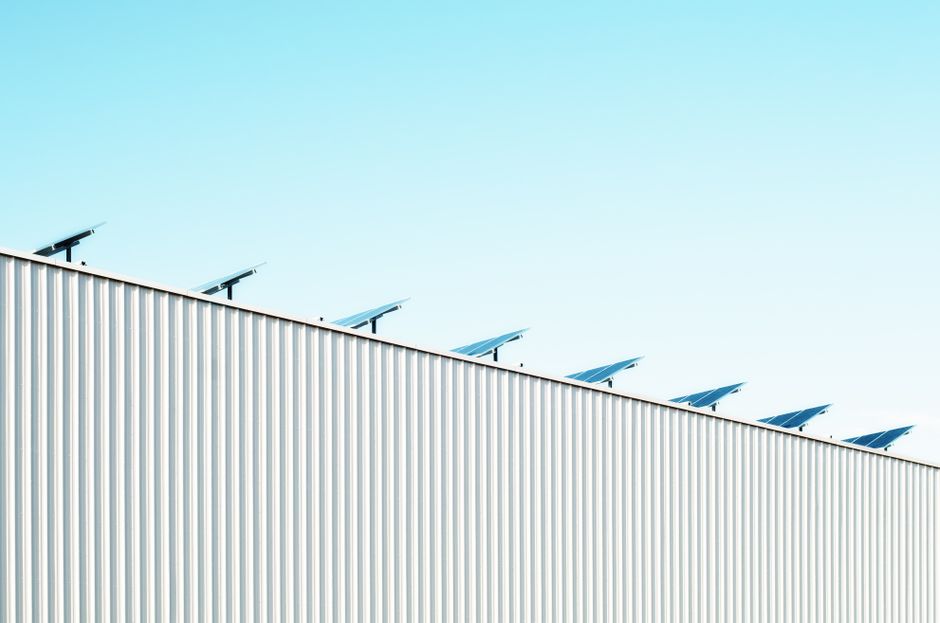 Industry & Global Trends
US Solar Panel Makers Race to Innovate Against China
US solar panel manufacturers are advancing tandem technology to enhance competitiveness against China. This shift opens new investment opportunities and market dynamics in the renewable…
Read More →Collaboration between local companies and established foreign firms is expected to foster innovation and improve solar installations. As the Philippines embraces solar energy, advancements in technology and efficiency will likely drive further consumer adoption.
The future of solar energy in the Philippines looks bright, especially with expected regulatory changes from the ERC. These changes should streamline processes and encourage more households and businesses to adopt solar solutions. As the government pushes for a greener energy mix, solar energy will play a more significant role.
Additionally, the growing collaboration between the Philippines and Chinese solar companies will enhance technology transfer and innovation in the sector. As local companies partner with firms like Jinko Solar, the quality and efficiency of solar installations are expected to improve, further encouraging consumer adoption.
With the global focus on sustainability, the Philippines is well-positioned to lead in renewable energy in Southeast Asia. Favorable policies, rising traditional energy costs, and increasing solar technology availability will likely transform the energy landscape.
Career Ahead’s analysis shows that proper site assessment, following local regulations, and using high-quality materials are key for successful solar panel installation.
As this trend continues, homeowners and businesses must stay informed about the evolving regulatory environment and market dynamics. The next few years will be crucial in shaping the solar energy sector in the Philippines and its impact on energy independence.
Frequently Asked Questions
What are the best practices for solar panel installation in residential areas?
Career Ahead’s analysis shows that proper site assessment, following local regulations, and using high-quality materials are key for successful solar panel installation. Homeowners should also consider their roof’s orientation and angle to maximize sunlight exposure.
How can investors identify profitable solar energy projects in the Philippines?
Investors can find profitable solar energy projects by analyzing government incentives, market demand, and partnering with established solar companies. Conducting thorough market research and feasibility studies will also help in making informed investment decisions.
 Industry & Global Trends
Europe’s Trade Tensions With China Are Coming to a Head
The European Union is preparing to implement tougher trade measures against China, which could significantly impact manufacturing costs and supply chain dynamics in the region.
Read More →
What incentives are available for homeowners to switch to solar energy?
Homeowners in the Philippines can benefit from various incentives, including tax breaks and subsidies from the government. These incentives aim to lower the initial costs of solar installations, making it more accessible for families transitioning to renewable energy.
Written by Career Ahead AI. AI can make mistakes, so verify key facts. Report errors to support@careeraheadonline.com.