No products in the cart.

Europe’s Trade Tensions With China Are Coming to a Head

The European Union is preparing to implement tougher trade measures against China, which could significantly impact manufacturing costs and supply chain dynamics in the region.

The European Union is set to implement tougher trade measures against China. Negotiations between EU officials and their Chinese counterparts are intensifying. This decision follows a significant rise in Chinese exports, which are pressuring key European industries. The potential tariffs and regulations could change the manufacturing landscape across Europe.
This situation is crucial for European manufacturing executives. The EU aims to protect local industries. These measures could greatly impact manufacturing costs and supply chain dynamics in the region.
Potential Tariffs and Their Impact on Manufacturing Costs
The EU’s proposed trade measures may include tariffs on many Chinese goods. Career Ahead’s analysis shows that these tariffs could raise manufacturing costs for European companies that depend on Chinese imports. This is especially important for sectors like electronics, textiles, and automotive, where Chinese components are vital.
The European Commission has indicated that tariffs could range from 10% to 25%, depending on the product. Such increases would raise the cost of goods sold and create a ripple effect in pricing across the supply chain. Manufacturers may need to rethink their pricing strategies to stay profitable amid higher input costs.
Moreover, uncertainty about these tariffs may lead manufacturers to stockpile raw materials and components. This behavior can cause temporary shortages and inflate costs, adding to the challenges manufacturers face. Companies that have not diversified their supply chains may be especially vulnerable to these disruptions.
As a result, manufacturing executives must closely monitor these developments. They should consider adjusting their procurement strategies. Forming strategic partnerships with local suppliers or exploring sources outside of China could reduce some risks tied to rising tariffs. According to a report from the New York Times, the EU’s trade tensions with China are escalating. Manufacturers must prepare for a landscape marked by higher costs and regulatory scrutiny.
As a result, manufacturing executives must closely monitor these developments.
Additionally, the EU’s decision to impose tariffs is not just a reaction to economic pressures. It is also a strategic move to address broader geopolitical concerns. The EU is increasingly wary of China’s growing influence in global markets. It is taking steps to protect its own economic interests. This policy shift could lead to a more fragmented global supply chain, requiring manufacturers to rethink their sourcing strategies.
You may also like
 Industry & Global Trends
AI Boom Sparks Economic Risk Concerns
Georgieva's remarks come ahead of the annual meetings of the IMF and World Bank, where discussions on global economic stability are paramount.
Read More →Navigating New Trade Regulations: Strategies for Manufacturers
In light of the upcoming trade measures, manufacturing executives need proactive strategies. Career Ahead research suggests that companies should analyze their supply chains to find areas exposed to potential tariffs. This includes evaluating the percentage of components sourced from China and assessing how tariffs will impact overall production costs.
One effective strategy is to diversify the supply chain. By sourcing materials and components from multiple countries, manufacturers can lessen their reliance on a single source. This minimizes the risk of disruption due to tariffs and enhances resilience against broader geopolitical tensions. The Map of Europe shows various trade routes and partnerships that could support this diversification effort.
Additionally, manufacturers should invest in technology and automation to improve efficiency. Streamlining processes and reducing waste can help offset some increased costs from tariffs. Implementing advanced manufacturing technologies can also provide a competitive edge in a fast-changing market. Smart manufacturing solutions can lead to significant cost savings and better product quality, which are essential in a competitive landscape.

Collaboration with trade policy analysts can also be beneficial. Staying informed about the latest trade negotiations allows manufacturers to anticipate changes and adjust their strategies. Engaging in advocacy efforts to influence trade policy can help create a more favorable environment for European manufacturers. Maintaining open communication with policymakers is crucial for achieving better outcomes in negotiations.
As the EU navigates its relationship with China, manufacturers must remain agile and responsive to the evolving regulatory framework.
Ultimately, adapting to new trade regulations will be vital for manufacturers wanting to maintain their market position. The landscape is changing, and those who can pivot quickly will be better positioned to thrive. As the EU navigates its relationship with China, manufacturers must remain agile and responsive to the evolving regulatory framework.
The trade tensions between the EU and China are not just a concern for manufacturers; they have broader economic implications. As tariffs rise, consumer prices are likely to increase, which could reduce demand for goods across Europe. This may lead to slower economic growth, affecting manufacturers, retailers, and service providers.
You may also like
 Industry & Global Trends
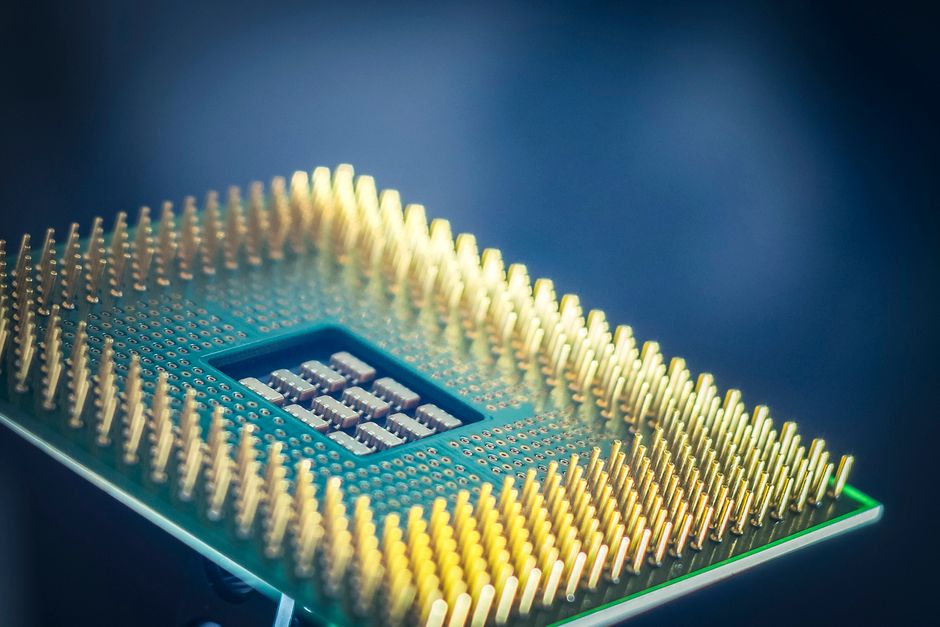
AI chip boom pushes Samsung profits to record $80bn
The record earnings show Samsung's dominance in the memory chip market. They also reflect broader trends in the tech sector, where companies are increasingly relying…
Read More →Moreover, the geopolitical landscape is shifting. As the EU takes a firmer stance against China, it may realign trade partnerships. Countries within the EU may seek to strengthen ties with other trading partners, like the United States or Southeast Asian nations, to diversify their trade relationships. This could reshape global supply chains and alter competitive dynamics across various industries.
Additionally, uncertainty around trade negotiations may decrease investment in Europe. Businesses often hesitate to invest in regions with unpredictable trade policies, hindering innovation and growth in manufacturing. Career Ahead analysis shows that a stable and predictable trade environment is crucial for fostering long-term investment and economic health.
As these trade tensions unfold, the manufacturing sector must remain agile and responsive. Adapting to new regulations and market conditions will be key to success in the coming years.
Manufacturing executives should prepare for a landscape defined by ongoing trade negotiations and shifting regulations. Understanding the implications of these changes will be vital for navigating the complexities of the global market.
Understanding the potential impacts of tariffs on various sectors will be crucial for effective negotiation strategies.
Frequently Asked Questions
What are the implications of EU trade measures for manufacturing executives?
Manufacturing executives must prepare for higher costs due to potential tariffs on Chinese goods. These measures could disrupt supply chains and require strategic adjustments in procurement and pricing.
How can trade policy analysts prepare for upcoming negotiations with China?
Trade policy analysts should stay updated on the latest EU-China relations and engage with industry stakeholders. Understanding the potential impacts of tariffs on various sectors will be crucial for effective negotiation strategies.

What should manufacturing executives do about rising costs due to tariffs?
You may also like
 Industry & Global Trends
September Rate Hike’s Impact on Financial Analysts
The Federal Reserve's recent hawkish stance and September rate hike have significant implications for financial analysts and investment managers. Understanding these changes is crucial for…
Read More →Manufacturing executives should analyze their supply chains and consider diversifying their material sources. Investing in technology and collaborating with trade policy analysts can help mitigate risks from rising costs.