No products in the cart.

China, Its Economy Stumbling, Signals Only Cautious Support

The Politburo's cautious stance comes as China's economy grapples with weak consumer demand, which has been a persistent issue since the pandemic.

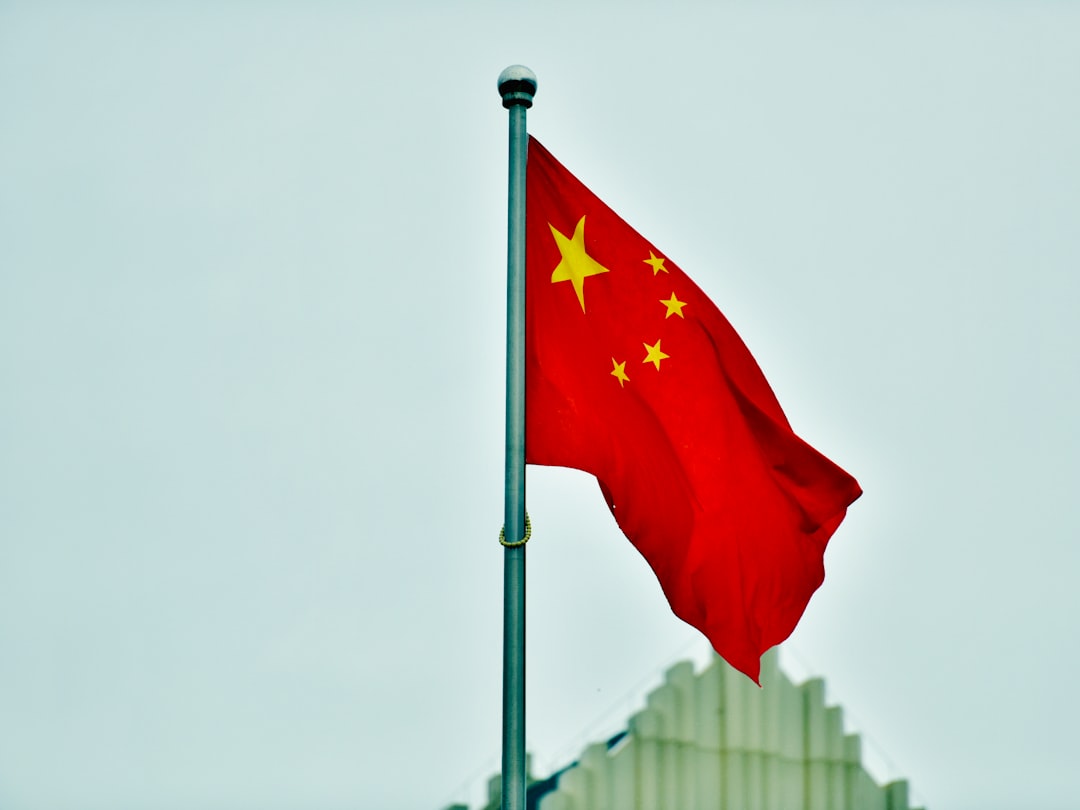
China’s Politburo recently showed a cautious approach to economic support. They emphasized proactive tax and spending policies but did not endorse broad actions to stimulate consumer spending. This decision, made on July 30, 2026, reflects the government’s concerns about ongoing economic challenges. Financial analysts and economic policy advisors must now reassess their forecasts based on this development.
The Politburo’s cautious stance comes as China’s economy struggles with weak consumer demand. This issue has persisted since the pandemic. Although nominal GDP grew by 5.2% in the last quarter of 2023, this figure fell short of expectations. This raises alarms about the effectiveness of current policies. Career Ahead’s analysis suggests that hesitance to implement aggressive stimulus measures may lead to prolonged economic stagnation. This stagnation could impact various sectors, especially consumer goods. According to a report from the Curious Economist, the sluggish recovery has worsened due to a lack of consumer confidence, which is vital for growth in a consumption-driven economy.
Fiscal Policy Adjustments and Consumer Spending
China’s fiscal policy adjustments are key to understanding consumer spending’s future. The government’s reluctance to provide broad stimulus means financial analysts need to adjust their projections. With consumer confidence wavering, the chance of increased spending in the near term looks dim. This cautious approach may slow sectors that rely heavily on consumer expenditure, like retail and services. The New York Times highlights that the Politburo’s decision to avoid sweeping measures aims to stabilize the economy without inflating debt levels further.
Analysts should note that the Politburo’s focus on targeted support indicates a shift in strategy. Previous recoveries in China often depended on substantial government intervention. However, the current environment suggests a more measured approach. Consequently, analysts may need to consider alternative indicators of consumer sentiment and spending behavior. Historical data shows a direct link between government stimulus and consumer confidence. The cautious fiscal policy could create a scenario where businesses face tighter margins and consumers hesitate to spend, complicating the economic landscape.
Career Ahead research identifies that the consumer goods sector may face significant challenges. With the government signaling a lack of immediate support, companies in this sector could see reduced sales and profitability. Analysts should prepare for potential adjustments in market forecasts, focusing on companies that can adapt to changing consumer preferences and economic conditions. The long-term effects of this cautious fiscal policy may also reshape consumer habits, as individuals prioritize savings over spending during uncertain times.
This makes it crucial for analysts to contextualize their forecasts within a broader global economic framework.
Furthermore, the implications of this cautious fiscal policy extend beyond immediate consumer spending. The long-term effects could reshape the Chinese market landscape, altering investment strategies for both domestic and foreign investors. Analysts must remain vigilant to these shifts and adjust their models to reflect a more cautious consumer base. The Washington Monthly notes that similar trends in other economies could influence how investors perceive risk in China. This makes it crucial for analysts to contextualize their forecasts within a broader global economic framework.
You may also like
 Government & Policy
Govt Launches Cross-Border E-Commerce Export Framework
The new inventory-based cross-border e-commerce export framework, operational since August 5, 2026, aims to enhance India's export capabilities through e-commerce, as part of the Foreign…
Read More →Implications for Foreign Investment in China
The cautious economic support from the Chinese government raises questions about foreign investment in the country. As analysts evaluate the potential risks and rewards of investing in China, they need to consider the implications of a more restrained fiscal policy. Foreign investors typically seek stability and growth potential. The current signals from the Politburo may deter investment in the short term. The Curious Economist emphasizes that a decline in foreign direct investment (FDI) could be expected as investors reassess their strategies due to the government’s cautious stance.
Career Ahead’s analysis shows that FDI may decline as investors rethink their strategies in light of the government’s cautious stance. The hesitance to implement broad stimulus measures could create a perception of increased risk. This perception may make investors wary of committing capital to the Chinese market. Such a trend could negatively affect sectors that rely on foreign investment for growth and expansion. The long-term view of China as a stable investment destination may be at risk, as investors might seek opportunities in markets with more aggressive fiscal policies.
Moreover, analysts should consider how this cautious approach might affect China’s competitive position in the global market. As other economies pursue more aggressive fiscal policies, China’s reluctance to follow suit may hinder its ability to attract foreign capital. This could worsen existing economic challenges, complicating the landscape for financial analysts and economic policy advisors. The Gbej report indicates that countries with more proactive economic measures may become more attractive to investors, potentially shifting capital flows away from China.
In addition, the implications for foreign investment are not limited to immediate economic outcomes. The long-term perception of China as a stable investment destination may be at risk. Analysts must factor in these considerations when developing forecasts and advising clients on investment strategies. As the global economic landscape evolves, the interplay between domestic policies and international investor sentiment will be critical in shaping China’s economic future.
As the global economic landscape evolves, the interplay between domestic policies and international investor sentiment will be critical in shaping China’s economic future.
The cautious signals from the Chinese government require financial analysts and economic policy advisors to reevaluate their forecasts and strategies. As consumer spending remains subdued, analysts must prepare for potential market volatility. This environment calls for a closer examination of consumer behavior and spending patterns, especially in sectors most affected by government policy.
You may also like
 Government & Policy
OpenAI pays $3.2m to settle claims it discriminated against US workers
OpenAI has agreed to pay $3.2 million to settle claims of discrimination against US workers, following allegations from the Justice Department regarding unfair hiring practices.
Read More →Looking ahead, analysts should monitor key economic indicators closely, such as consumer confidence indices and retail sales data. These metrics will provide valuable insights into how the cautious fiscal policy influences consumer behavior and overall economic health. Additionally, keeping an eye on global economic trends will be essential, as they may interact with China’s domestic policies in unexpected ways.
As the situation evolves, financial analysts and economic policy advisors must remain adaptable. They should be ready to pivot their strategies in response to changing conditions. The cautious approach from the Chinese government may signal a prolonged period of uncertainty. This makes it imperative for analysts to stay informed and responsive.
Ultimately, the question remains: how will China’s cautious economic support impact its recovery trajectory in the coming months? The answers may shape strategies for analysts and investors as they navigate this complex landscape.
Frequently Asked Questions
What are the implications of China’s cautious fiscal policy for financial analysts?
Career Ahead’s analysis indicates that financial analysts must adjust their forecasts for consumer spending and investment strategies due to the government’s cautious fiscal policy. This may lead to a focus on sectors that can adapt to changing consumer behavior.
Career Ahead’s analysis indicates that financial analysts must adjust their forecasts for consumer spending and investment strategies due to the government’s cautious fiscal policy.
How should economic policy advisors respond to the current economic signals from China?
Economic policy advisors should closely monitor consumer confidence and spending trends. They must adjust their recommendations based on the cautious signals from the government. Understanding the implications of these policies will be crucial for effective advising.

What strategies can financial analysts use to adapt to changing consumer spending patterns in China?
You may also like
 Government & Policy
Data retention policies undermine government agency effectiveness
The analysis that follows dissects how fragmented retention rules generate hidden costs, dilute.
Read More →Financial analysts can focus on alternative indicators of consumer sentiment. They should explore sectors that are more resilient to economic fluctuations. Adapting models to reflect a cautious consumer base will be essential for accurate forecasting.