No products in the cart.

China’s Economic Regime Shift Sparks Global Market Concerns
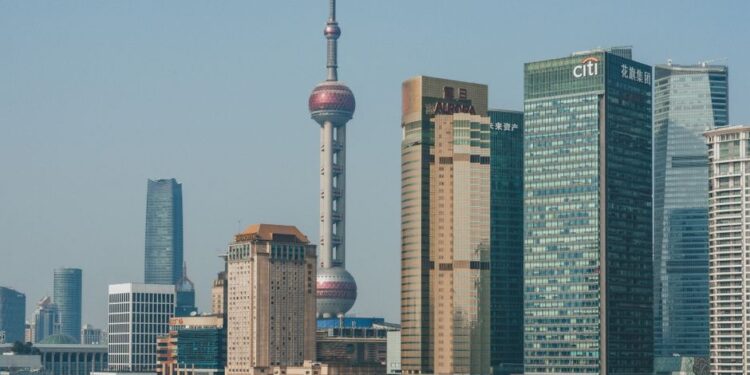
China's economic regime shift is causing significant concern in global markets, prompting analysts to rethink investment strategies and assess the implications for international trade dynamics.

China’s economic regime shift is causing significant concern in global markets. This shift involves changes in policy and market dynamics, affecting investment strategies worldwide. As the Chinese government adopts new economic measures, the impact is felt across international markets. Analysts are adjusting their expectations accordingly.
The recent changes in China’s economic approach have alarmed economists and financial analysts. This shift suggests a move toward more state control over the economy, which could increase volatility in global markets. This transition may disrupt traditional investment patterns, especially in sectors that rely heavily on Chinese manufacturing and exports.
Impact on Global Investment Strategies
The changing economic landscape in China is prompting analysts to rethink their investment strategies. As China implements policies that consolidate state control, sectors attracting foreign investment may see significant changes. For example, economicactivity.org reports that the blending of market forces with state planning has lowered China’s score on the Index of Economic Freedom to 48.3. This decline indicates a tighter government grip on the economy, which could deter foreign investment.
Moreover, analysts are noticing a potential shift in capital allocation as investors seek safer havens. The uncertainty surrounding China’s economic policies may lead to increased volatility in global markets, especially in sectors dependent on Chinese exports. Sectors like technology and consumer goods could face challenges as this regime shift unfolds.
Given these developments, financial analysts should adopt a more cautious approach. Traditional metrics for evaluating investments may no longer apply as China’s economic environment changes. Investors might need to diversify their portfolios to reduce risks linked to potential downturns in Chinese markets.
Given these developments, financial analysts should adopt a more cautious approach.
Additionally, the implications extend beyond immediate market reactions. The regime shift may influence international trade dynamics, prompting countries to reassess their reliance on Chinese goods. As global supply chains adapt, analysts must stay informed about emerging trends that could reshape the investment landscape.
Market Volatility Linked to China’s Regime Change
The change in China’s economic policy is likely to increase market volatility, impacting global financial stability. Past regime changes in China often led to sharp market fluctuations, creating uncertainty for international investors. The current environment suggests similar patterns may arise as the government implements new economic strategies.
A report from Congress.gov notes that China’s economic policies affect global trade relationships. Countries heavily reliant on Chinese imports may face challenges as the regime change alters supply and demand dynamics. This could lead to inflationary pressures in various regions, complicating the investment landscape further.
Furthermore, the potential for retaliatory measures from other nations in response to China’s economic policies is significant. Analysts are closely monitoring geopolitical tensions that may arise as countries react to China’s changing economic role. The connection between economic policy and international relations will likely shape market conditions in the near future.

Investors should also be aware of shifts in consumer behavior in China. As the government promotes domestic consumption, foreign companies that can adapt to changing preferences may find opportunities. However, navigating these changes will require a deep understanding of the evolving market dynamics.
Research highlights technology, renewable energy, and healthcare as key areas for growth.
Emerging Sectors in China Attracting Foreign Investment
Despite the challenges from the economic regime shift, some sectors in China are emerging as attractive opportunities for foreign investment. Research highlights technology, renewable energy, and healthcare as key areas for growth. As the government prioritizes innovation and sustainability, these sectors may receive increased support and investment.
The technology sector is undergoing rapid transformation. With the rise of artificial intelligence and digitalization, companies aligning with China’s strategic goals may find favorable growth conditions. Investors are encouraged to explore partnerships with leading Chinese firms in technology.
Renewable energy is another sector gaining traction as China aims to reduce its carbon footprint. The government’s commitment to sustainability offers opportunities for foreign investors in solar, wind, and other renewable energy projects. As global demand for clean energy rises, aligning with China’s green initiatives could yield significant returns.
Healthcare is also a focus area as the Chinese government invests in public health infrastructure. Foreign companies providing innovative solutions may find a receptive market in China. The ongoing demand for healthcare services and products presents unique opportunities for investors willing to navigate the complexities of the Chinese market.
As these emerging sectors evolve, financial analysts must remain vigilant and adaptable. The landscape is changing quickly, and those who can identify and capitalize on growth opportunities may gain a competitive edge in the global market.
The landscape is changing quickly, and those who can identify and capitalize on growth opportunities may gain a competitive edge in the global market.
Addressing Investor Concerns
China’s economic regime shift could lead to increased market volatility and uncertainty for investors. Sectors reliant on Chinese manufacturing may face disruptions, and international trade dynamics could shift significantly. Analysts should adopt a more cautious approach, diversifying portfolios to mitigate risks from potential downturns in Chinese markets. Traditional investment metrics may need reevaluation as the economic environment evolves.
Emerging sectors like technology, renewable energy, and healthcare are poised for growth as the Chinese government prioritizes innovation and sustainability. Foreign investors may find opportunities in these areas as market dynamics shift.
Related Articles
- Dormant Foreign Bank Account Disclosure Deadline Approaches
Written by Career Ahead AI. AI can make mistakes, so verify key facts. Report errors to support@careeraheadonline.com.