No products in the cart.

China’s Inflation Cools as Iran War Oil Shock Starts to Ease | Career Outlook
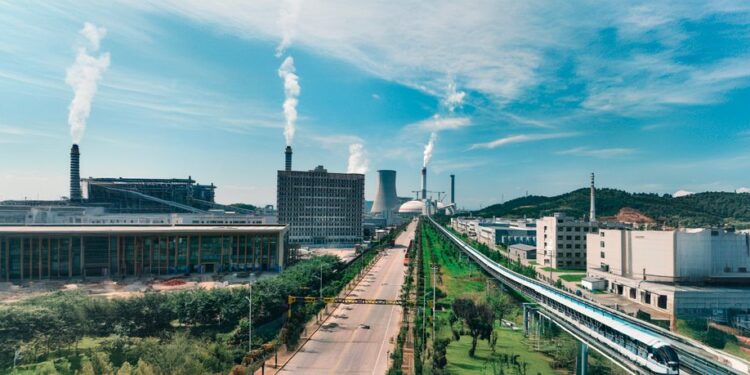
China’s factory-gate inflation has eased, signaling a broader cooling of inflation across the economy, providing relief for manufacturers and supply chain analysts.

China’s factory-gate inflation eased for the first time since the Iran war began in late February 2026. The producer price index rose by 3.5% in July compared to a year earlier. This is slower than the 4.1% increase recorded in June. This decline shows that cost pressures from the oil shock are starting to fade. It provides relief for manufacturing managers and supply chain analysts in China.
The National Bureau of Statistics reported that consumer prices also slowed down. This signals a broader cooling of inflation across the economy. This shift is significant for manufacturers who have faced rising production costs due to fluctuating oil prices and supply chain disruptions. According to Bloomberg, this easing of inflation is a critical sign that the economic environment is stabilizing. It could lead to more predictable conditions for businesses.
Impact of Easing Inflation on Production Costs
The recent slowdown in inflation could stabilize production costs for manufacturers in China. With the producer price index reflecting a decline, firms may find it easier to manage their budgets. Career Ahead’s analysis shows that as inflation eases, manufacturers can expect more predictable pricing for raw materials. This predictability is crucial for long-term financial planning. Many manufacturers have struggled with the volatility of oil prices, which have historically influenced production costs.
Moreover, as inflation cools, manufacturers may see a reduction in input costs. Lower costs for essential materials can enhance profit margins. This allows companies to reinvest in operations or pass savings on to consumers. This dynamic can create a more competitive environment in the manufacturing sector. The World Factbook highlights that China’s economy remains strong despite recent challenges, with a GDP growth rate of around 5% in 2026. This growth, along with easing inflation, may encourage manufacturers to increase production capacity and expand their operations.
Manufacturers can also use this period of cooling inflation to negotiate better contracts with suppliers. With more stable prices, firms can secure favorable terms, leading to better supply chain efficiency. The ability to predict costs will significantly improve procurement strategies. Additionally, as the global market adjusts to the aftermath of the Iran war, manufacturers in China may find new opportunities for sourcing materials at competitive rates. This will further boost their operational capabilities.
Understanding these patterns will be essential for aligning production with market needs.
You may also like
 Industry & Global Trends
Sustainable supply chains redefine corporate responsibility
Companies integrating circular‑economy principles report stronger brand equity and lower regulatory exposure, reshaping the economics of responsibility.
Read More →As consumer demand patterns shift due to changing economic conditions, manufacturers must remain agile. Understanding these patterns will be essential for aligning production with market needs. The interplay between inflation rates and consumer confidence will likely dictate purchasing behaviors. It is imperative for manufacturers to stay attuned to market signals.
Shifts in Consumer Demand Patterns
The easing of inflation will likely influence consumer behavior significantly. As prices stabilize, consumers may feel more confident in their purchasing power. This could lead to increased demand for manufactured goods. This rise in consumer confidence can stimulate production across various sectors, especially in electronics, automotive, and consumer goods. Research from Career Ahead indicates that industries closely tied to consumer spending, such as retail and e-commerce, may see a resurgence as inflation cools. This shift could prompt manufacturers to adjust their production strategies to meet rising demand.
Additionally, as the consumer market evolves, manufacturers may need to adapt their product offerings. Understanding emerging trends, such as sustainability and digitalization, will be crucial for manufacturers aiming to capture market share. Companies that align their products with consumer preferences will likely gain a competitive edge. The role of digital technology in understanding consumer behavior is vital. Manufacturers who invest in data analytics and market research will be better equipped to anticipate shifts in demand and adjust their production accordingly. This agility will be essential in a rapidly changing economic landscape.
Furthermore, the relationship between manufacturers and retailers will also evolve. As consumer demand increases, manufacturers may need to collaborate more closely with retailers. This collaboration will ensure product availability and timely delivery. It will be vital for maintaining customer satisfaction and loyalty. Recent trends show that consumers favor brands that respond to their needs. Therefore, manufacturers must foster strong partnerships with retail channels.

Career Ahead’s analysis suggests that firms should consider diversifying their supplier base.
Moreover, the anticipated increase in consumer spending could create a more dynamic marketplace. Here, innovation and adaptability become key differentiators. Manufacturers that can quickly adjust their strategies to align with consumer preferences will likely thrive. As highlighted by the National Bureau of Statistics, overall economic indicators suggest a positive trajectory for consumer spending. This will further drive demand for manufactured goods.
With the easing of inflation, manufacturers in China must also manage supply chain disruptions effectively. The recent oil shock highlighted vulnerabilities in global supply chains. Companies must take proactive steps to strengthen their operations. Career Ahead’s analysis suggests that firms should consider diversifying their supplier base. This will mitigate risks associated with relying on a single source. Additionally, investing in technology can enhance supply chain resilience. Automation and real-time tracking systems help manufacturers respond swiftly to disruptions, keeping production schedules on track. By integrating advanced technologies, companies can gain better visibility into their supply chains and make informed decisions.
You may also like
 Industry & Global Trends
Gland Pharma eyes $100m revenue with new deal
This partnership underscores a significant shift in the pharmaceutical industry towards outsourcing manufacturing capabilities. As Gland Pharma expands its role as a contract development and…
Read More →Moreover, fostering strong relationships with suppliers is crucial. Manufacturers should engage in open communication to address potential issues before they escalate. Collaborating on inventory management and demand forecasting can lead to more efficient operations and reduced costs. As manufacturers adapt to the new economic landscape, they must also prioritize sustainability in their supply chain strategies. Consumers increasingly demand environmentally friendly practices. Manufacturers who adopt sustainable practices may enhance their brand reputation and customer loyalty.
Looking ahead, the interplay between easing inflation and supply chain management will be critical for manufacturers. Companies that remain adaptable and forward-thinking will position themselves for success in a competitive market. China’s cooling inflation may signal a shift in the manufacturing landscape. This prompts companies to rethink their strategies. The ability to anticipate consumer demand and manage supply chain disruptions will be paramount in the coming months. As the economy stabilizes, manufacturers must remain vigilant and proactive to seize new opportunities.
Frequently Asked Questions
How can manufacturing managers adjust to changing inflation rates?
Manufacturing managers can adjust to changing inflation rates by monitoring market trends and supplier pricing closely. Career Ahead analysis indicates that proactive budgeting and flexible procurement strategies are essential for navigating fluctuating costs.
Career Ahead research highlights that strong supplier relationships and effective communication are key to managing supply chain disruptions.
What strategies should supply chain analysts implement in response to easing oil prices?
Supply chain analysts should focus on diversifying their supplier base and investing in technology. This will enhance visibility and responsiveness. Career Ahead research highlights that strong supplier relationships and effective communication are key to managing supply chain disruptions.

What should manufacturing managers do about cost management in a cooling inflation environment?
In a cooling inflation environment, manufacturing managers should prioritize cost forecasting and strategic negotiations with suppliers. Career Ahead’s findings suggest that understanding market dynamics will help managers make informed decisions regarding pricing and procurement.
You may also like
 Industry & Global Trends
Hidden environmental cost of powering growing digital and AI-world | Career Outlook
As major tech companies like Google and Meta invest heavily in new data centers across the country, the environmental implications are becoming increasingly apparent.
Read More →