No products in the cart.

China’s Trade Policies and Humanoid Robots Transform Healthcare Sector
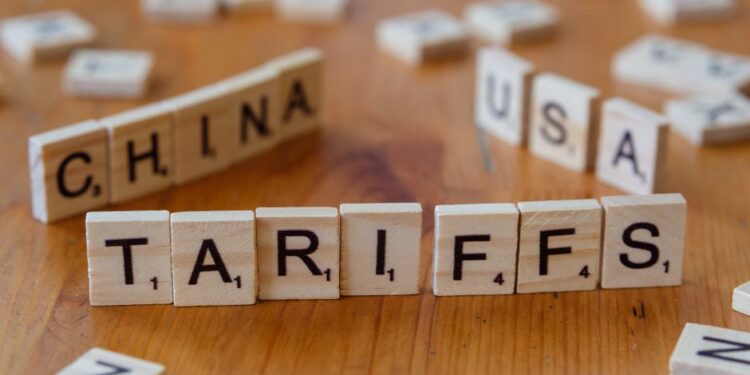
China's trade policies and the rise of humanoid robots in healthcare are reshaping global markets, presenting new challenges and opportunities for financial analysts and tech innovators.

China has made major changes to its trade policies. These changes are reshaping global markets. The rise of humanoid robots in healthcare adds another layer to this situation. Financial analysts and technology innovators must pay attention to these trends. Their effects on investment strategies and market forecasts are becoming more important.
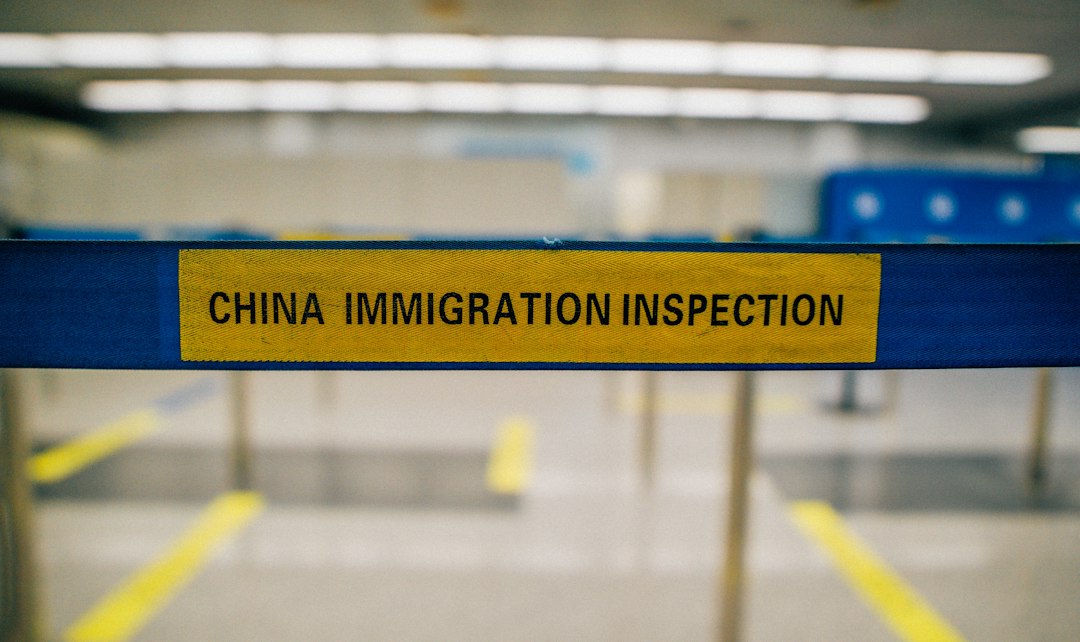
Recent announcements from Chinese officials show a move toward protectionist measures. These include tariffs on foreign goods and incentives for local manufacturers. Such policies could change the competitive landscape for global firms. The effects will likely impact various sectors, especially supply chains and pricing strategies.
Amid these changes, humanoid robots are increasingly used in healthcare. Hospitals and clinics are adopting these technologies to improve patient care and streamline operations. The focus on trade policy and technology innovation creates a unique challenge for financial analysts.
Impact of China’s Trade Policies on Global Markets
China’s trade policies play a key role in the global economy. Recent tariffs on foreign goods aim to protect local industries. This may lead to higher costs for international companies. According to money.whatfinger.com, these tariffs could disrupt established supply chains, especially in technology and healthcare sectors that rely on Chinese manufacturing.
Career Ahead’s analysis suggests these changes may require a major shift in investment strategies. Financial analysts must consider the potential for higher operational costs. They should also be aware of possible retaliatory measures from other nations. This uncertainty could affect stock prices and market stability.
Furthermore, the World Bank warns that changes in trade policies may slow global economic growth. As countries react to China’s new stance, analysts should monitor trade volumes and currency fluctuations. Understanding these factors will be vital for making informed investment decisions in the coming months.
Career Ahead’s analysis suggests these changes may require a major shift in investment strategies.
The healthcare sector is especially sensitive to these trade shifts. Many medical devices and pharmaceuticals are imported. Any increase in tariffs could raise healthcare costs. A report from tony-daily.vercel.app notes that hospitals may face higher expenses. This could limit funding for new technologies and innovations.
As financial analysts evaluate these developments, they must also consider the broader effects of China’s trade policies on global supply chains. Increased costs and delays in product availability could reshape strategies for companies connected to China.
Integration of Humanoid Robots in Healthcare
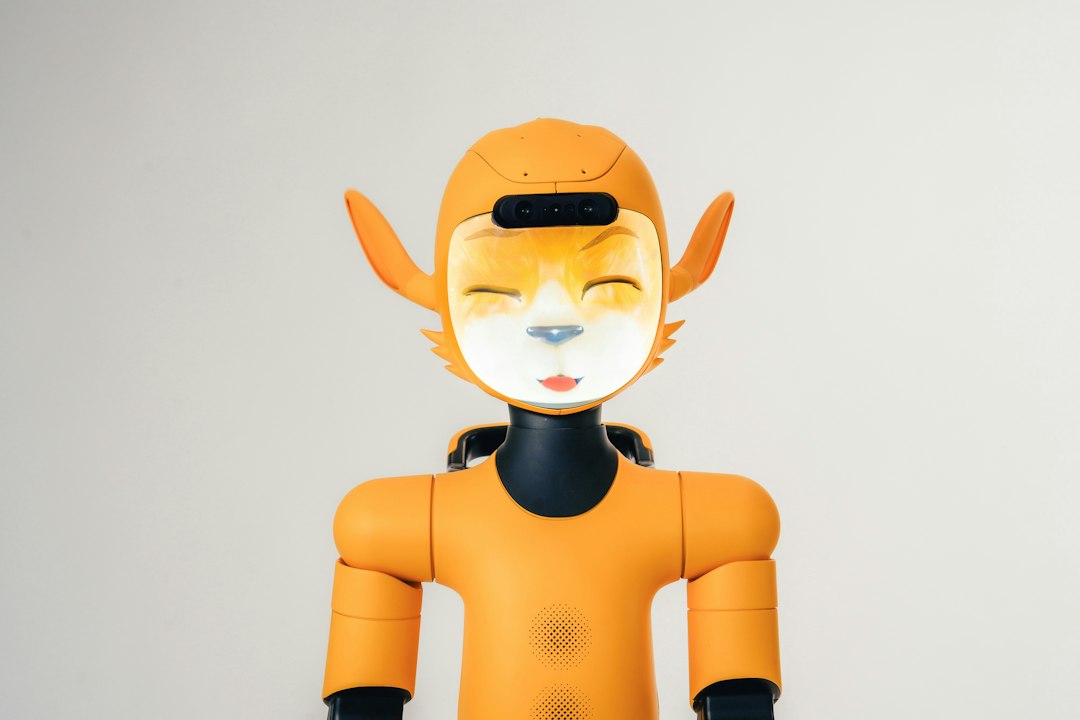
The use of humanoid robots in healthcare is changing patient care and operational efficiency. These robots help with tasks ranging from administrative duties to direct patient interactions. As healthcare facilities adopt these technologies, the potential for better patient outcomes and lower labor costs becomes clear.
According to youtube.com, humanoid robots can boost patient engagement and support healthcare professionals. This trend aligns with the growing demand for innovative solutions in healthcare, especially after the COVID-19 pandemic. Robotics integration addresses labor shortages and offers tailored care for individual patients.
As robots take on more tasks, healthcare workers may need to shift to roles focused on oversight and patient interaction.
Research from Career Ahead shows that the rise of humanoid robots will create new investment opportunities for tech innovators. Companies developing these technologies may attract more funding and interest from healthcare providers. Financial analysts should closely watch this sector, as demand for robotic solutions is expected to grow significantly.
However, the integration of humanoid robots raises concerns about job displacement in healthcare. As robots take on more tasks, healthcare workers may need to shift to roles focused on oversight and patient interaction. This change presents both challenges and opportunities for professionals in the field.
In summary, the intersection of trade policy and technology in healthcare is crucial for financial analysts to monitor. Understanding how these factors affect market dynamics is essential for predicting future trends and investment opportunities.
Looking ahead, the changing landscape of trade policies and technology in healthcare will require ongoing attention. Analysts must adapt their strategies to these changes, as the effects on global markets and investment opportunities are significant.
Financial analysts should track trade volumes, currency fluctuations, and the impact of tariffs on operational costs.
Frequently Asked Questions
What are the latest trends in China’s trade policies?
China’s trade policies are increasingly protectionist, with tariffs on foreign goods to support domestic industries. These changes are expected to affect global supply chains and pricing strategies.
How are humanoid robots being integrated into healthcare?
Humanoid robots are being used in healthcare to assist with administrative tasks and enhance patient engagement. Their integration aims to improve operational efficiency and patient care.
What economic indicators should financial analysts watch in relation to China’s trade?
Financial analysts should track trade volumes, currency fluctuations, and the impact of tariffs on operational costs. These indicators will provide insights into the broader economic effects of China’s trade policies.
Related Articles
- Air India Orders One-Off Drug Test for Its Over 5,000 Pilots
- Medicare Advantage Faces New Benefit Restrictions for
Written by Career Ahead AI. AI can make mistakes, so verify key facts. Report errors to support@careeraheadonline.com.