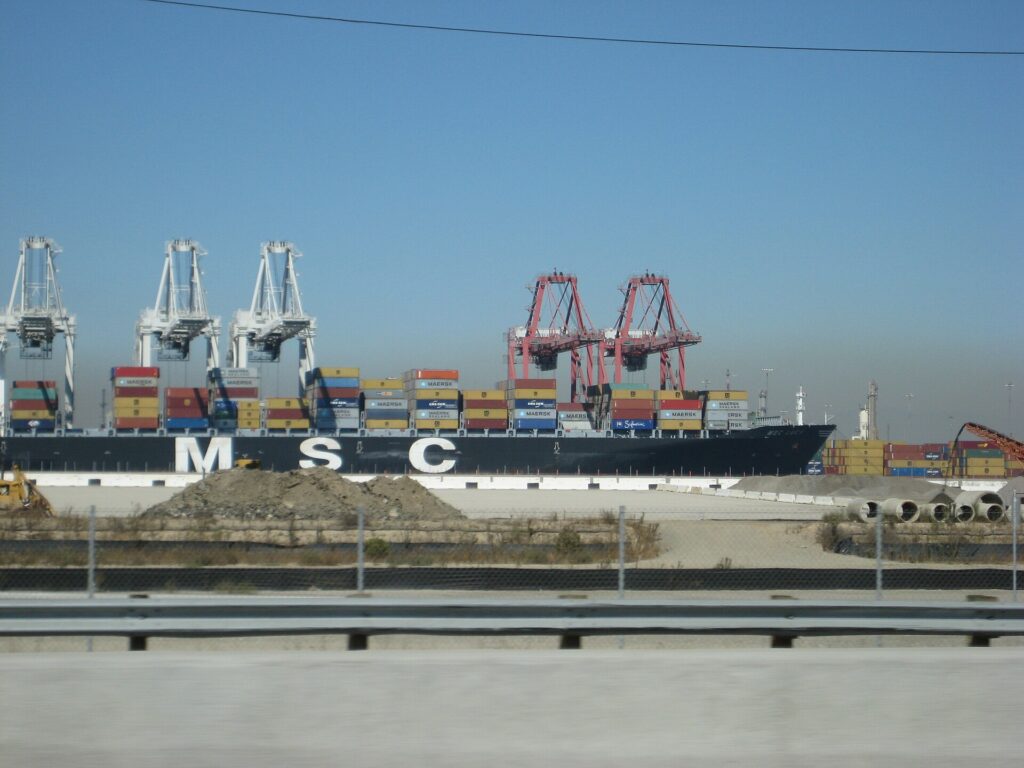
China’s trade surplus reached $1.04 trillion in the first ten months of the year, crossing the $1 trillion mark a month earlier than in 2025.
October exports and imports both accelerated
China’s trade surplus reached $1.04 trillion in the first ten months of the year, crossing the $1 trillion mark a month earlier than in 2025. It topped that mark for a second consecutive year. The figures put the milestone within the first ten months, rather than later in the year.¹²
October added $105.3 billion to the surplus as exports rose 35.2 percent from the same month a year earlier. The export figure is measured in US dollar terms. Together, the monthly surplus and export growth show the scale of October’s contribution to the cumulative total.¹²
October’s export growth was slightly slower than the 36.3 percent surge in September. It nevertheless exceeded economists’ forecast of a 33.5 percent increase for October. Those comparisons put the latest result between the previous month’s pace and the estimate made for the month.¹²
October’s export growth was slightly slower than the 36.3 percent surge in September.
Imports grew 41.6 percent, above the median forecast of 32 percent, and accelerated from 31 percent growth in September. The import increase was faster than the export increase recorded for October. Both sides of trade therefore posted strong annual growth, even as the surplus reached its ten-month total.¹²
The tariff truce and export-control steps have different timelines
 Government & Policy
Bank of England Warns Low-Hire, Low-Fire Market Hurts Young People
Employers are freezing recruitment while holding staff, and young people face a harder first step into work.
Read More →China announced a two-month extension of its trade truce with Washington, which was due to expire on November 10. The extension adds two months to the truce, according to the announcement. Washington and Beijing also took steps to ease tariffs and restrict the use of export controls through January 10.¹²
The tariff and export-control steps put into effect an agreement reached by senior officials in September, ahead of a Washington summit between US President Donald Trump and Chinese President Xi Jinping. The agreement links the two governments’ trade actions to talks between their senior officials and the planned meeting between the presidents.¹²
Exporter rebates sit alongside a housing downturn
Tax rebates for exporters now cost the Chinese government almost one-eighth of its tax revenues. The figure describes the share of government tax revenue absorbed by those rebates. It shows the scale of the public cost attached to the export support as the country’s trade surplus reaches a new milestone.¹²
Housing prices in China are down roughly 40 percent nationwide over the past five years. The decline covers the country as a whole, rather than a single city or region. That nationwide fall is a separate measure of pressure in the domestic economy from the export and trade figures.¹²
Housing prices in China are down roughly 40 percent nationwide over the past five years.
Chinese households had invested roughly four-fifths of their savings in apartments. That proportion gives the housing downturn a direct connection to household wealth: apartments had held most of household savings. The figure describes the scale of that investment, while the price decline measures how the housing market has changed.²
China’s Europe surplus grows as industrial employment diverges
 Government & Policy
Chicken and Frog Bookshop Announces Closure
Owner Natasha Radford said electricity bills had tripled, while annual business rates rose from £2,868 in 2024 to £8,435 this year.
Read More →China’s surplus with Europe was $33.4 billion in October. That monthly figure gives one measure of the trade imbalance between the two sides; it sits within a much larger cumulative total for the year. The October amount was reported alongside China’s overall monthly surplus.¹²
For the first ten months of the year, China’s surplus with Europe reached $320.8 billion. The period total covers the same ten-month span as China’s overall trade-surplus milestone. It shows the scale of the European component over that stretch, in addition to October’s monthly figure.¹²
China’s manufacturing employment has remained mostly steady at about 71 million jobs since 2020. Germany, by contrast, is shedding 14,000 industrial jobs per month. China’s domestic vehicle sales also recorded a twelfth straight month of declines in October, another sign of a weak domestic-market indicator alongside the export growth.¹²
Trade Data Reshapes Export-Career Bets
If you weigh a role tied to China's export machine, the surplus milestone and October's 35.2 percent export jump signal sustained demand for logistics, trade-finance, and compliance skills. Yet the tariff truce extension to January 10 means those roles carry a short planning window; a policy shift can reset volumes quickly. Build fluency in US-China trade rules and export-control limits, not just general trade knowledge, to stay valuable when the truce expires.¹²
Trade Data Reshapes Export-Career Bets If you weigh a role tied to China's export machine, the surplus milestone and October's 35.2 percent export jump signal sustained demand for logistics, trade-finance, and compliance skills.
For manufacturing careers, the ledger points to a divergence: China's factory employment holds near 71 million jobs, while Germany sheds 14,000 industrial jobs monthly. If you are in industrial roles, China offers more stability now, but the housing downturn and weak vehicle sales signal domestic demand risks. Ask for pay tied to export-linked performance, not domestic growth, and plan for a possible slowdown in China's export pace after the fourth quarter, as analysts note.¹²
Sources
Written by Career Ahead AI. AI can make mistakes, so verify key facts. Report errors to support@careeraheadonline.com
 Government & Policy
Nvidia Investigates Reports of a Foreign Intelligence Effort
Nvidia’s board says it has no reason to believe secrets were compromised as independent directors investigate the matter.
Read More →