No products in the cart.

China’s Vision for AI Governance

Xi Jinping's recent call for global collaboration in AI development positions China as a leader in the international AI landscape, prompting a shift towards harmonized regulations and collaborative research initiatives.

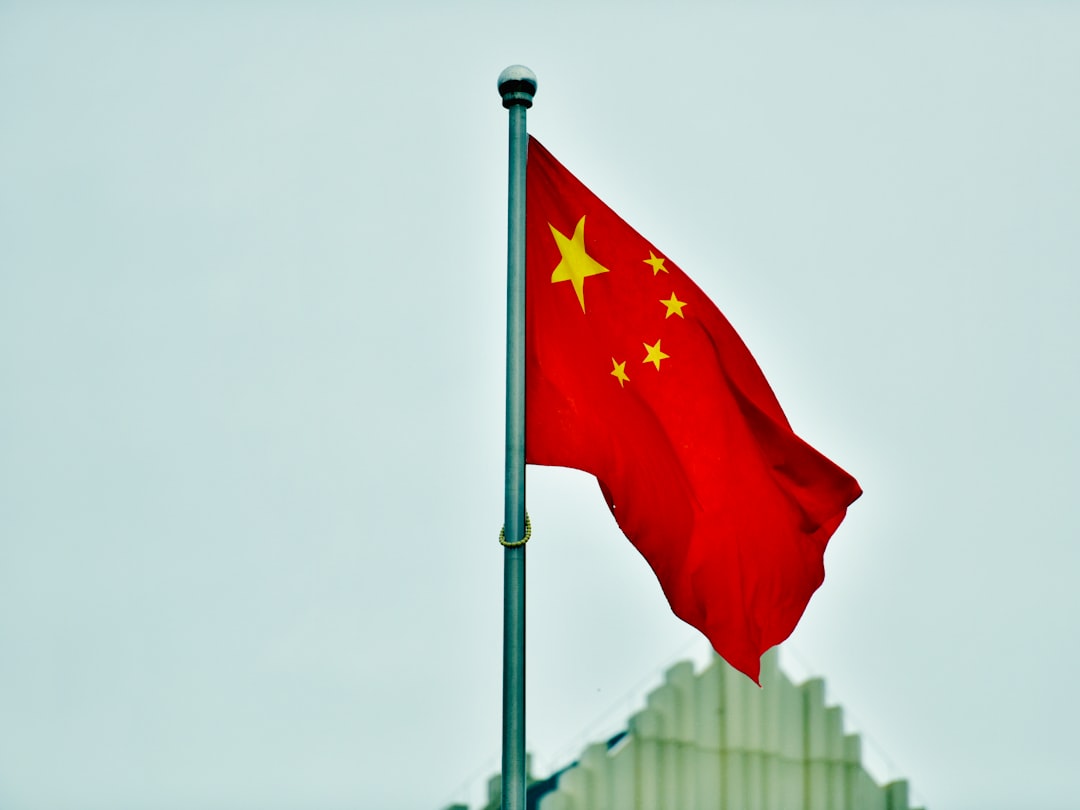
China — Xi Jinping recently highlighted the need for global teamwork in artificial intelligence (AI) development during a major speech. He called AI a “symphony of global collaboration” and urged countries to unite in shaping this important technology. This appeal for openness comes as AI rapidly evolves and becomes crucial for technological progress worldwide.
Xi’s vision has real implications. By promoting collaboration, he positions China as a leader in the global AI scene. This could influence international regulations and research efforts. AI policy advisors and machine learning researchers will need to adapt to a landscape increasingly defined by international cooperation.
The Impact of Xi’s Vision on International AI Regulations
Xi Jinping’s call for openness in AI suggests a major change in how countries govern AI. Traditionally, nations have developed their own regulations independently. However, Xi’s push for collaboration signals a shift toward harmonizing these regulations globally.
Career Ahead’s analysis shows that this change could lead to international standards for AI development and use. Countries may need to align their regulations with these new standards to join global AI initiatives. This presents challenges for policy advisors, who must balance national interests with international obligations.
Additionally, the focus on collaboration may lead to international coalitions for AI research and development. These coalitions could combine resources and expertise, speeding up innovation and improving governance. For machine learning researchers, this means more chances to work on joint projects that cross borders, potentially leading to significant advancements in AI.
Career Ahead’s analysis shows that this change could lead to international standards for AI development and use.
You may also like
 Government & Policy
Salary Increase for West Bengal Government Employees
The West Bengal 7th Pay Commission proposes a 5% salary increase for government employees, aiming for pay parity with central government salaries and improved pension…
Read More →However, this collaborative approach raises concerns about intellectual property and competition. As countries share research and technology, conflicts over ownership and innovation may arise. Policy advisors must address these issues to ensure fair participation in global AI initiatives. A report from the New York Times suggests that Xi’s vision could reshape the AI landscape, prompting nations to rethink their regulatory frameworks for better cooperation.
In summary, Xi’s vision for AI collaboration could transform the regulatory landscape. Policy advisors will need to adapt to new international standards while managing the complexities of global partnerships. A unified regulatory approach could improve AI governance, but it will require careful negotiation among nations.
Collaborative AI Research Initiatives: A New Frontier
The call for global collaboration in AI research offers a unique chance for countries to leverage their strengths. Xi Jinping’s focus on shared innovation could lead to collaborative research initiatives that utilize the diverse skills of various nations. This could involve joint projects among universities, research institutions, and private companies across borders.
Career Ahead research indicates that such initiatives can improve the quality and scope of AI research. By pooling resources and expertise, countries can tackle complex challenges that need a multidisciplinary approach. For machine learning researchers, this means access to a wider range of data sets, tools, and methods, leading to stronger AI solutions.
Moreover, collaborative research initiatives could attract significant funding from both public and private sectors. As nations see the importance of AI for economic growth, investments in joint research may rise. This presents a great opportunity for researchers to secure funding for innovative projects that align with international goals. A Bloomberg report shows that multinational corporations are increasingly keen to invest in collaborative AI efforts to boost their competitive edge in a fast-changing market.
Machine learning researchers will need to navigate these challenges while ensuring their work meets high ethical standards and positively contributes to global AI development.

However, researchers must also be mindful of potential collaboration pitfalls. Differences in research priorities, ethical standards, and regulations can complicate joint efforts. Machine learning researchers will need to navigate these challenges while ensuring their work meets high ethical standards and positively contributes to global AI development. The goal will be to create frameworks that facilitate collaboration while protecting the integrity of research outputs.
You may also like
 Government & Policy
Zimbabwe Caps Gold-Buying Support at $300 Million
Zimbabwe's decision to cap gold-buying support at $300 million in 2026 signals a shift in its economic policy. This change could reshape investment strategies and…
Read More →Ultimately, the shift toward collaborative AI research initiatives could change how technology is developed and used, with far-reaching effects on the global economy and society. As nations unite to address shared challenges, the potential for innovation and discovery will grow, leading to advancements that benefit all of humanity.
As the world enters a new era of AI collaboration, the question remains: how will countries balance their national interests with the need for global cooperation? The answers will shape the future of AI development and its impact on society.
Frequently Asked Questions
What are the implications of Xi Jinping’s AI collaboration vision for policy advisors?
Career Ahead’s analysis shows that policy advisors must adapt to new international standards and regulations in AI governance. This shift may require balancing national interests with global commitments, complicating their roles in shaping AI policy.
They need to ensure their countries’ interests are represented while contributing to the development of fair and effective global governance frameworks.
How can machine learning researchers align their work with global AI initiatives?
Machine learning researchers can join collaborative projects that pool resources and expertise across borders. By participating in international research initiatives, they can access broader datasets and methods, enhancing their work’s impact.
What should AI policy advisors do about the push for global AI collaboration?
AI policy advisors should actively engage in discussions about international standards and regulations. They need to ensure their countries’ interests are represented while contributing to the development of fair and effective global governance frameworks.
You may also like
 Government & Policy
EPF 2026 Introduces New Withdrawal Rules and Limits
The new EPF scheme allows employees earning above ₹15,000 to make additional voluntary contributions at a rate of 12% or higher, while introducing a structured…
Read More →