No products in the cart.

Chinese Export Growth Rebounds as War Fails to Curb Trade

China's export growth surged by 14.1% in April 2026, driven by demand for AI technology. Despite global tensions, China's manufacturing sector has adapted swiftly, stabilizing supply chains and expanding trade partnerships, particularly in Asia and Africa.

Chinese Exports Surge Amid Global Tensions
China’s export growth rebounded significantly in April 2026, reporting a 14.1% increase compared to the previous year. This surge is largely attributed to a rising demand for artificial intelligence (AI) technology and related products. Despite ongoing disruptions from the war in Iran, which raised concerns about trade stability, China’s manufacturing sector has demonstrated remarkable resilience.
According to CNBC, this rebound follows a sluggish March, where exports were hindered by supply chain issues and geopolitical uncertainties. However, the latest figures indicate that Chinese manufacturers have quickly adapted, capitalizing on the global demand for tech solutions. Bloomberg highlights that the investment boom in AI has played a crucial role in this recovery, as companies ramp up production to meet international needs.
Global Conflicts and Trade Stability
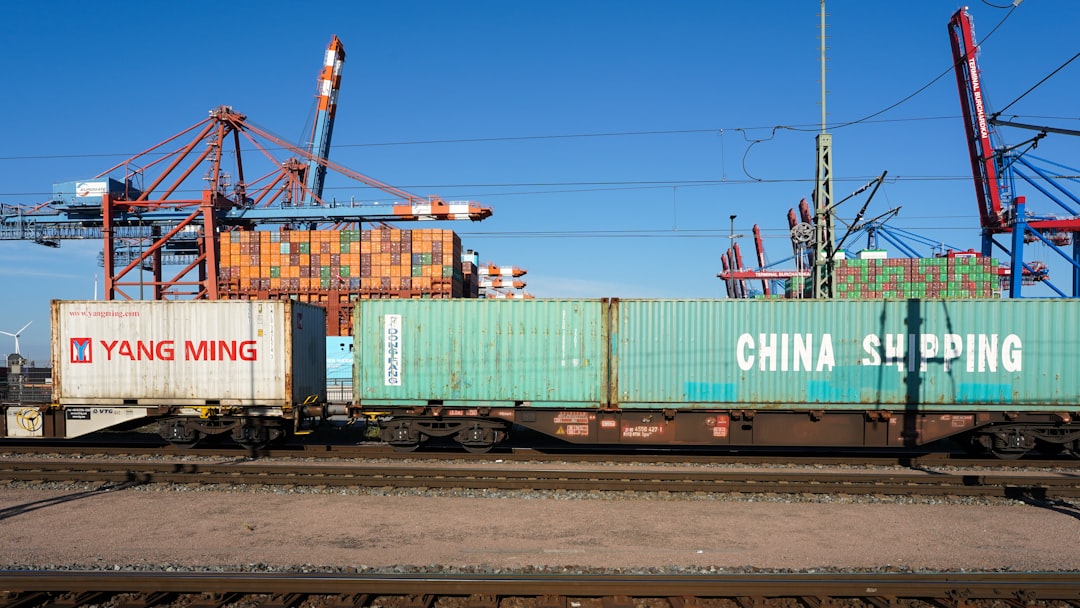
The war in Iran has created a complex backdrop for global trade, yet it has not significantly hampered China’s export growth. While many countries face logistical challenges and increased shipping costs, China has managed to stabilize its supply chains and maintain competitive pricing. This adaptability underscores the strength of China’s manufacturing sector.
As reported by Business Times, the trade surplus has widened, indicating that China is exporting more while importing less. This trend reflects a strategic push towards self-sufficiency in key industries, particularly in technology and manufacturing. Furthermore, the ongoing conflict has prompted some countries to reconsider their reliance on Chinese goods, yet this has not deterred China’s export momentum. Instead, it has encouraged the country to diversify its trade partnerships, seeking new markets in Asia and Africa.
AI Investments Driving Export Growth A key driver behind the surge in Chinese exports is the significant investment in artificial intelligence.
AI Investments Driving Export Growth
A key driver behind the surge in Chinese exports is the significant investment in artificial intelligence. This sector has seen a boom, with companies ramping up production of AI-related products, from software to hardware. The Chinese government has prioritized AI as a strategic industry, providing support and incentives for innovation. Bloomberg notes that this investment boom is not only bolstering export figures but also enhancing China’s competitive edge in the global market.
You may also like
 AI & Technology
OpenAI in Talks With UAE Funds, BlackRock for $30 Billion Round
OpenAI is negotiating a $30 billion funding round with BlackRock and UAE funds, which could reshape the AI startup ecosystem and attract significant investments in…
Read More →The rise in AI exports aligns with global trends, as countries increasingly seek technological solutions to enhance productivity. According to The Jakarta Post, this focus on technology has positioned China as a leader in the global AI market, attracting foreign investments and partnerships. Consequently, the export of AI products has become a significant contributor to China’s overall trade figures, boosting the economy and creating numerous job opportunities in tech-driven sectors.
Economic Implications of Export Growth
The rebound in exports has broader implications for the global economy. As China strengthens its position in the international market, it could influence global trade dynamics, particularly in technology sectors. Countries that rely on Chinese goods may need to adapt to shifting supply chains and pricing strategies. Moreover, this growth could lead to increased competition among nations striving to enhance their technological capabilities.
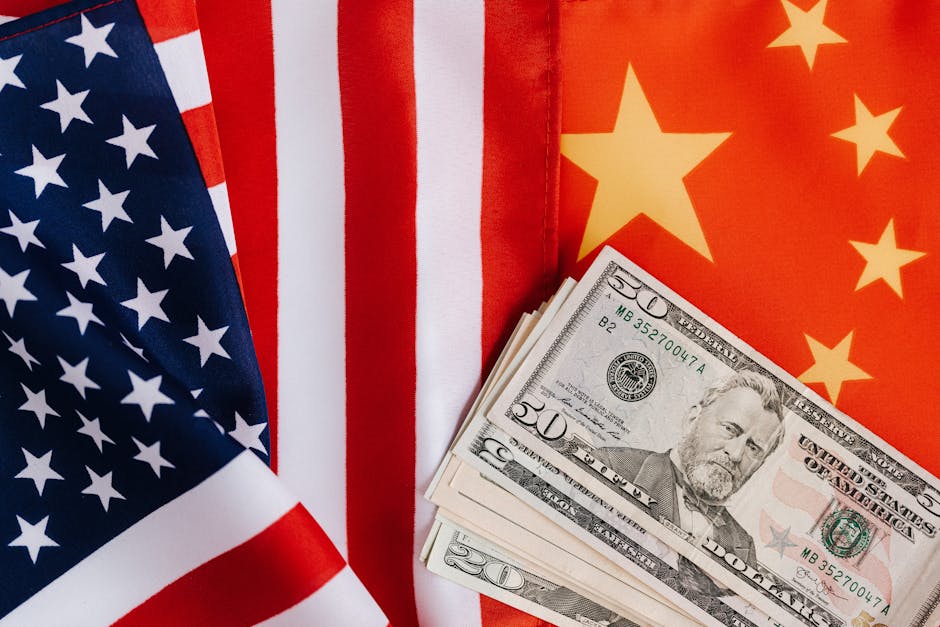
Additionally, the significant trade surplus could impact currency valuations and global economic policies. Countries may adjust their monetary policies in response to China’s growing export dominance, leading to potential shifts in trade agreements and tariffs. The implications of this shift are far-reaching, affecting everything from inflation rates to employment levels in various sectors worldwide.
Economic Implications of Export Growth The rebound in exports has broader implications for the global economy.
Job Market Transformation
The surge in exports, particularly in AI and technology sectors, is likely to reshape the job market in China and beyond. As companies expand their operations to meet rising demand, there will be a growing need for skilled workers in technology and manufacturing. This trend emphasizes the importance of education and training in these fields.
Young professionals and job seekers should prepare for a competitive landscape where tech skills are increasingly valuable. The focus on AI and digital solutions means that candidates with expertise in these areas will have a distinct advantage in the job market. As China solidifies its role as a leader in global trade, other nations may look to replicate its success, potentially leading to a global demand for tech talent and creating opportunities for collaboration and innovation across borders.
You may also like
 AI & Technology
NVIDIA Boosts AI Factories with 20,000 GPUs in India, Malaysia
This expansion is part of a broader initiative to enhance computational capabilities, enabling advanced AI research and development.
Read More →