No products in the cart.

Chip giant TSMC pledges another $100bn to expand US
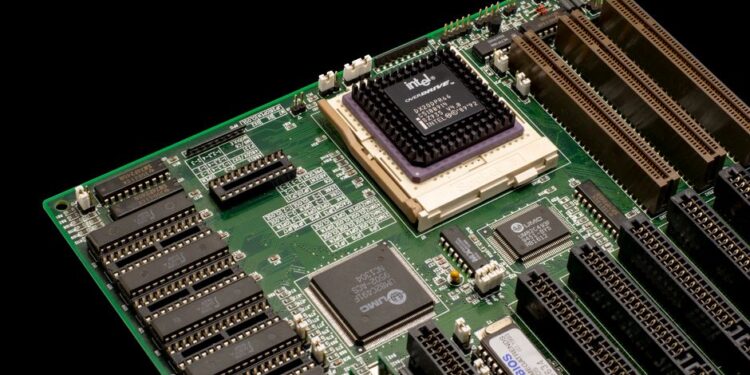
TSMC's $100 billion investment in US semiconductor production aims to create tens of thousands of jobs and strengthen domestic manufacturing capabilities amid rising global demand for advanced chips.

Arizona, US — Taiwanese chipmaker TSMC has announced a significant investment of $100 billion to expand its production facilities in the United States, particularly in Arizona. This latest commitment raises TSMC’s total investment in US operations to an impressive $265 billion. The expansion is expected to create tens of thousands of jobs, significantly impacting the semiconductor industry and the job market for chip design engineers and manufacturing technicians.
This expansion comes at a crucial time when the demand for advanced semiconductors is surging, driven by the rapid growth of artificial intelligence and smart devices. TSMC’s investment aligns with the US government’s efforts to bolster domestic semiconductor manufacturing, a priority that emerged following supply chain disruptions during the COVID-19 pandemic. As reported by the BBC, this investment is poised to create tens of thousands of American jobs, reflecting the urgency of bringing production back to the US to mitigate risks associated with overseas manufacturing.
Job Opportunities for Chip Design Engineers
TSMC’s expansion in Arizona is set to generate numerous job opportunities for chip design engineers. The company plans to construct four new plants, necessitating a skilled workforce to meet the increasing demand for advanced semiconductor technologies. Analysis from Career Ahead indicates that this investment will likely lead to a surge in job openings for engineers specializing in chip design and development.
The need for skilled engineers is further amplified by TSMC’s collaborations with major technology firms such as Nvidia. As these companies innovate in AI and data processing, the demand for engineers capable of designing complex chip architectures will continue to grow. Engineers with expertise in AI and machine learning will be particularly well-positioned to capitalize on this influx of job opportunities. According to the New York Times, TSMC’s investment not only supports its growth but also enhances the overall ecosystem for semiconductor innovation in the US.
Moreover, TSMC’s investment reflects a broader trend within the semiconductor industry towards reshoring production to the US. Companies are increasingly seeking to reduce risks associated with overseas manufacturing, which in turn raises the demand for local talent in chip design and manufacturing. This shift is not merely about filling existing roles; it also involves creating new positions to adapt to the evolving technological landscape. Integrating AI into chip design processes will require engineers to continuously adapt and enhance their skills, presenting both challenges and opportunities for newcomers in the field.
Furthermore, TSMC’s commitment to investing in its workforce includes training and development initiatives, ensuring that engineers are equipped with the latest skills needed in a rapidly changing industry.
You may also like
 Industry & Global Trends
Furthermore, TSMC’s commitment to investing in its workforce includes training and development initiatives, ensuring that engineers are equipped with the latest skills needed in a rapidly changing industry. As the company ramps up its operations, engineers must stay updated on the latest developments in semiconductor technology, which will be crucial for maintaining competitiveness in the global market.
Impact on Semiconductor Manufacturing Technicians
The expansion of TSMC’s facilities will have a profound impact on manufacturing technicians in the semiconductor sector. As new plants are constructed, there will be an increased need for skilled technicians to operate and maintain advanced manufacturing equipment. This presents a critical opportunity for individuals looking to enter the semiconductor manufacturing field.
Manufacturing technicians will play a vital role in semiconductor production, working with cutting-edge technology to produce the chips that power modern devices. TSMC’s commitment to investing in its US operations signals a promising future for the semiconductor manufacturing workforce. The company emphasizes building a strong talent pipeline to support its expansion efforts. Research from Career Ahead indicates that the demand for manufacturing technicians will grow alongside increased production capacity. As TSMC and other companies invest in automation and advanced manufacturing techniques, technicians will need to develop new skills to operate increasingly complex machinery.
This trend underscores the importance of ongoing training and education in the field. Additionally, collaboration with companies like Nvidia suggests that manufacturing technicians will also be involved in producing specialized chips for AI applications. This specialization will require technicians to understand the unique requirements of AI chip production, enhancing their skills and career prospects. As reported by the Arizona Technology Council, TSMC’s expansion focuses on increasing production while fostering a skilled workforce to meet future demands.

Broader Implications for the Semiconductor Ecosystem
TSMC’s $100 billion investment marks a pivotal moment for the semiconductor ecosystem in the US. By expanding its production capabilities, TSMC addresses immediate job needs while fostering a more resilient semiconductor supply chain. This is crucial as the industry faces ongoing supply chain challenges and geopolitical tensions.
As reported by the Arizona Technology Council, TSMC’s expansion focuses on increasing production while fostering a skilled workforce to meet future demands.
The investment is expected to stimulate growth in related sectors, including materials supply, logistics, and research and development. As TSMC builds its new facilities, it will likely collaborate with local suppliers and service providers, creating additional job opportunities across the supply chain. This interconnected growth will further solidify the US’s position as a leader in semiconductor manufacturing.
You may also like
 Industry & Global Trends
Korea in Race to Keep Chips Edge as China Presses, Minister Says
This situation is critical for semiconductor engineers and supply chain managers in tech, as their roles will be pivotal in responding to these challenges.
Read More →Moreover, TSMC’s expansion aligns with national policy goals aimed at reducing reliance on foreign semiconductor production. The US government actively promotes domestic manufacturing through incentives and support for companies like TSMC. This investment may encourage other semiconductor firms to follow suit, contributing to a stronger domestic industry.

As the semiconductor landscape evolves, stakeholders must monitor how these developments impact job markets and workforce needs. TSMC’s investment has implications beyond immediate job creation; it signals a long-term commitment to reshaping the semiconductor manufacturing landscape in the US. As demand for advanced chips continues to rise, the industry’s adaptation will be critical for maintaining competitiveness on the global stage.
Frequently Asked Questions
What skills are needed for chip design engineers in light of TSMC’s expansion?
Chip design engineers should focus on skills related to advanced semiconductor technology, including knowledge of AI integration, system-on-chip design, and proficiency in design software like Cadence and Synopsys. Continuous learning and adaptation will be crucial as the industry evolves.
Chip design engineers should focus on upskilling in emerging technologies, particularly in AI and machine learning applications.
How can manufacturing technicians prepare for new job opportunities at TSMC?
Manufacturing technicians should seek training in advanced manufacturing processes, automation, and equipment maintenance. Developing skills in areas like robotics and AI will enhance their employability as TSMC expands its facilities.

What should chip design engineers do to stay competitive in the evolving semiconductor industry?
Chip design engineers should focus on upskilling in emerging technologies, particularly in AI and machine learning applications. Networking with industry professionals and participating in relevant workshops or conferences can provide valuable insights and opportunities.
You may also like
 Industry & Global Trends
Uber CEO brushes off reports of a Waymo break-up
However, the partnership is complicated. Both companies are navigating a landscape of cooperation and competition. While they work together in some markets, they are also…
Read More →