No products in the cart.

Impact of Leadership Vacancies on Education
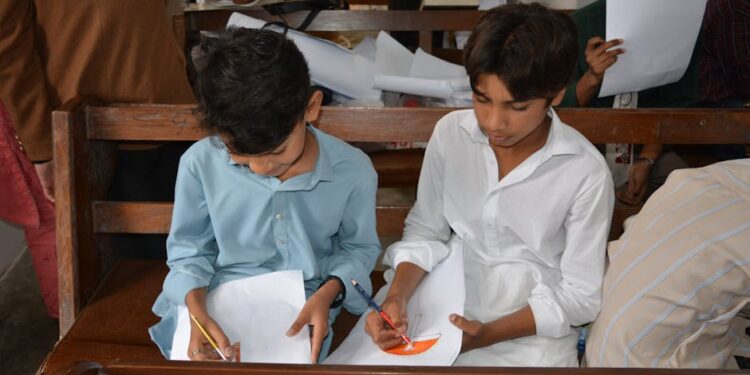
Pakistan's education sector is facing a leadership crisis, with key positions unfilled for months, affecting governance and educational quality. This situation poses broader implications for the economy and public trust in government institutions.

Islamabad, Pakistan — The education sector in Pakistan is currently grappling with a significant leadership crisis, as three major educational bodies in Islamabad operate without permanent heads. The Federal Directorate of Education (FDE), the Private Educational Institutions Regulatory Authority (Peira), and the Directorate of Special Education are all managed through interim arrangements. This situation has persisted for months, with some positions remaining vacant for over a year, prompting widespread criticism from officials and observers alike.
The position of Director General (DG) at the FDE, which oversees more than 430 public schools and colleges in Islamabad, has been unfilled since July 2023. Although the Federal Public Service Commission (FPSC) completed its recruitment process and recommended a candidate in early March, the federal government has yet to approve the final appointment. This delay has led to frustration among education officials who emphasize the need for a permanent DG to ensure accountability and effective administration.
In addition to the FDE, the Directorate of Special Education is experiencing similar challenges. Its DG position has been vacant for nearly a year, with interim management negatively impacting services for children with special needs. Likewise, Peira, which regulates private educational institutions, lacks a permanent chairperson. The previous head, Zia Batool, stepped down months ago, and an acting charge was assigned in January to an official from the Inter Board Committee of Chairmen. This lack of stable leadership raises serious concerns about governance and efficiency within the Ministry of Education.
Impacts on Educational Quality and Governance
The absence of permanent leadership in these key educational institutions can severely affect the quality of education in Pakistan. According to a report by Dawn, officials have expressed that the lack of accountability and oversight may lead to a decline in educational standards. With critical positions unfilled, decision-making processes are delayed, and necessary reforms are stalled.
Impacts on Educational Quality and Governance The absence of permanent leadership in these key educational institutions can severely affect the quality of education in Pakistan.
Moreover, the interim management structures often struggle to implement long-term strategies effectively. Acting officials may prioritize short-term needs over strategic planning, resulting in a reactive rather than proactive approach to educational governance. This shift can hinder progress in addressing the pressing challenges faced by the education sector, including curriculum updates and teacher training initiatives.
You may also like
 Education & University Insights
France Student Protests Spark Police Clashes and Blockades
France is experiencing widespread student protests demanding better educational standards and resources, with significant unrest affecting over 1,000 schools nationwide. The protests reflect a broader…
Read More →Furthermore, the uncertainty surrounding leadership appointments can create a culture of instability within educational institutions. Teachers and staff may feel demotivated, knowing that their leadership is not firmly established. This can lead to lower morale and decreased productivity, ultimately affecting students’ learning experiences and outcomes.
Broader Implications for Pakistan’s Economy
As the education sector grapples with these leadership challenges, the broader implications for Pakistan’s economy and social fabric become apparent. A well-functioning education system is essential for developing a skilled workforce, which is crucial for economic growth. Without effective leadership, the education sector may struggle to produce graduates equipped with the necessary skills to meet the demands of the job market.
The ongoing leadership void in Pakistan’s education sector also raises questions about government accountability and transparency. The delays in appointing permanent leaders suggest a lack of urgency in addressing critical governance issues. This situation has implications not only for education but also for public trust in government institutions. As highlighted by the World Bank, countries with strong educational systems tend to have better economic outcomes. If Pakistan continues to allow key educational positions to remain unfilled, it risks falling behind in the global economy, especially as competition for skilled labor intensifies.
Moreover, the current situation may discourage foreign investment in Pakistan’s education sector. Investors typically seek stable environments with clear governance structures. The ongoing leadership crisis could deter potential investors who may perceive the lack of leadership as a sign of instability. In contrast, if the government can swiftly fill these vacancies and establish strong leadership, it could signal a commitment to improving the education system. This positive step could enhance public confidence and attract investment, ultimately benefiting the economy.
A well-functioning education system is essential for developing a skilled workforce, which is crucial for economic growth.
Urgency for Leadership Appointments
Looking ahead, the question remains: how will the Pakistani government address these leadership gaps? The urgency of filling these positions is paramount, as the education sector cannot afford further delays. As stakeholders await action, the potential for significant change hangs in the balance. The government must act decisively to restore confidence in its educational institutions and ensure that the needs of students and educators are met.
Sources: Dawn, World Bank, Economic Times.
You may also like
 Education & University Insights
Financial Literacy Resources for Kids’ Saving Skills
As financial literacy becomes crucial for young learners, several government-backed programs are now available to teach children about saving and investing. This article explores five…
Read More →