No products in the cart.

Civil Liberties Challenge Journalists and Officials
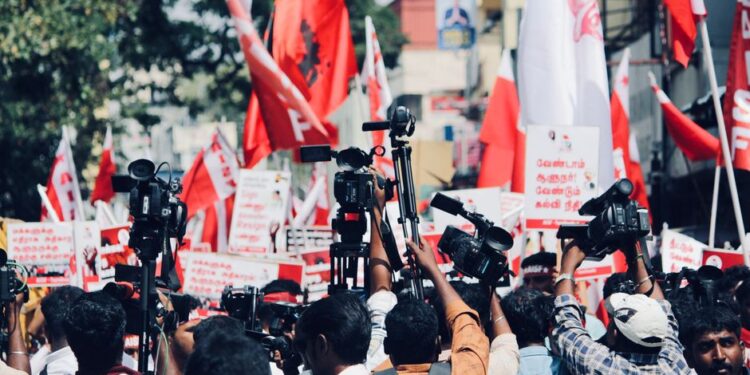
Recent events have raised significant concerns about civil liberties in the U.S., particularly for journalists and government officials. These cases highlight the need for awareness and advocacy to protect press freedom and public engagement.

U.S. — Recent incidents of government oversight have raised serious concerns about civil liberties. This is especially true for journalists and government officials. One notable case involved a reporter who was barred from covering a lockdown at a New Jersey school. Another incident saw federal agents visiting a man after he sent an angry email to a government official. These events show the growing tension between civil liberties and government authority.
The implications of these cases are significant. They highlight the risks journalists face when reporting on sensitive issues, especially during public emergencies. The ability to communicate freely with government officials is also in question, raising concerns about accountability and transparency in governance.
Impact of Government Oversight on Press Freedom
Government oversight can greatly hinder press freedom, as seen in the New Jersey school incident. Journalists play a vital role in informing the public, especially during crises. When access is restricted, it affects the media’s ability to report and deprives citizens of important information. The American Civil Liberties Union (ACLU) has stressed that such actions can create a chilling effect on free speech and public discourse.
Career Ahead’s analysis shows that incidents like these can create a hostile environment for journalists. They face more scrutiny and possible retaliation for their work. This not only threatens their safety but also the integrity of the news they produce. As reporters navigate these challenges, they must know their legal protections, which are often under threat.
Furthermore, the implications extend beyond individual journalists. Public trust in media institutions can decline when access to information is limited. This decline can lead to a disengaged citizenry that is less informed about critical issues affecting their communities. The ACLU’s ongoing work to defend press freedoms highlights the need for vigilance in protecting these rights.
As journalists face these challenges, they must also consider the changing landscape of civil liberties in the U.S. The ACLU and other organizations are actively working to address these issues. They advocate for stronger protections for press freedom. Their efforts are crucial to ensure that journalists can operate without fear of government retaliation.
The ACLU’s ongoing work to defend press freedoms highlights the need for vigilance in protecting these rights.
Challenges in Reporting During Public Emergencies
You may also like
 Government & Policy
Govt Launches Cross-Border E-Commerce Export Framework
The new inventory-based cross-border e-commerce export framework, operational since August 5, 2026, aims to enhance India's export capabilities through e-commerce, as part of the Foreign…
Read More →Public emergencies often present unique challenges for journalists. In the New Jersey school lockdown case, the inability to report raises questions about transparency and accountability. When journalists are barred from covering events, it creates a vacuum of information filled with speculation and misinformation.
Career Ahead research shows that challenges faced by journalists during such events are worsened by the rapid spread of information on social media. Misinformation can spread faster than accurate reporting, making it crucial for journalists to access the facts. Clear communication between officials and the press is vital to maintaining public trust.
Moreover, government officials must balance public safety and transparency. When communication is stifled, it can lead to public distrust in government actions. The Center for Constitutional Rights (CCR) emphasizes that citizens have a right to know what is happening in their communities, especially during crises. This right is essential for fostering accountability and ensuring that officials remain answerable to the public.
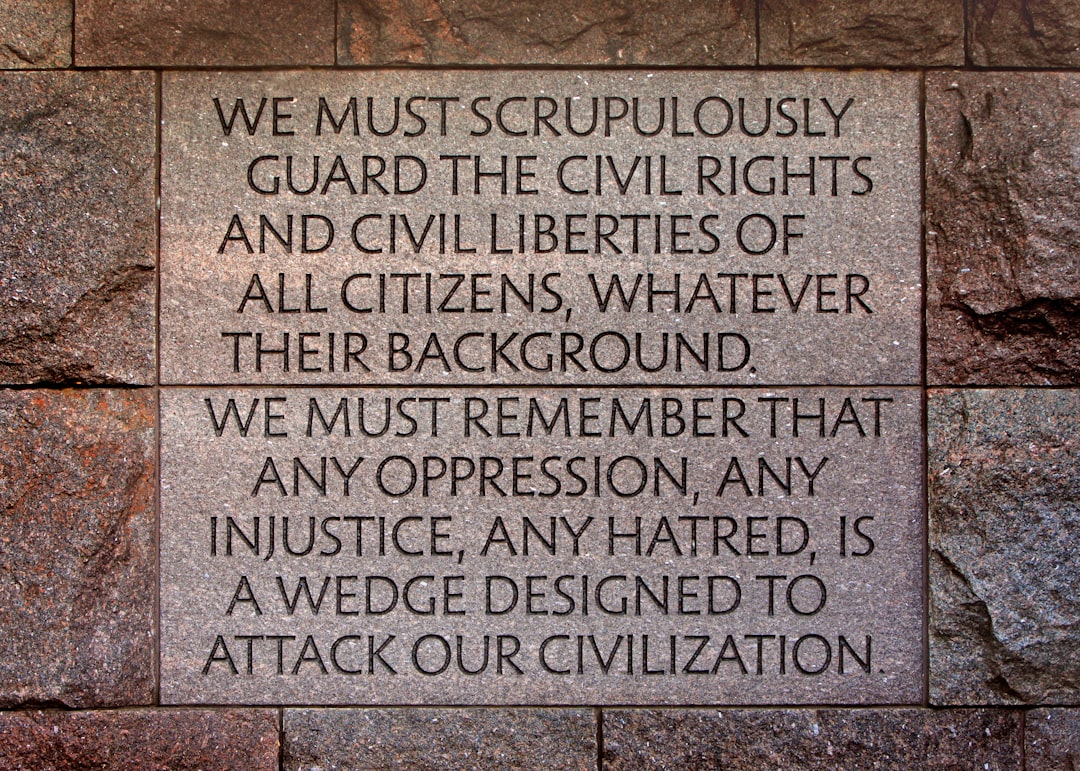
The implications of these challenges extend to citizen engagement with government officials. When the public feels unheard, it can lead to a disengaged electorate. This disengagement can worsen issues of accountability and transparency, making it essential for both journalists and officials to keep communication open.
This disengagement can worsen issues of accountability and transparency, making it essential for both journalists and officials to keep communication open.
As civil liberties evolve, both journalists and government officials must adapt. They need to understand the legal protections that exist and advocate for their rights. This awareness is crucial for navigating the complexities of reporting and governance in a scrutinized environment.
Forward-Looking Considerations
The recent cases of civil liberties challenges in the U.S. signal a critical moment for both journalists and government officials. As tensions rise, it is vital to remain vigilant about protecting press freedoms and public engagement. The ACLU’s ongoing advocacy highlights the need for continuous efforts to safeguard these rights.
You may also like
 Government & Policy
OpenAI pays $3.2m to settle claims it discriminated against US workers
OpenAI has agreed to pay $3.2 million to settle claims of discrimination against US workers, following allegations from the Justice Department regarding unfair hiring practices.
Read More →Looking ahead, the potential for further government oversight raises questions about the future of civil liberties in the U.S. Will journalists continue to face barriers in their reporting? How will government officials respond to public criticism in an era of heightened scrutiny? These questions remain unresolved but underscore the importance of ongoing dialogue about civil liberties.
As society grapples with these issues, the role of advocacy organizations like the ACLU and CCR becomes increasingly vital. Their work not only defends current rights but also shapes the future landscape of civil liberties in the U.S. The outcomes of these cases may set important precedents for how civil liberties are upheld against government action.
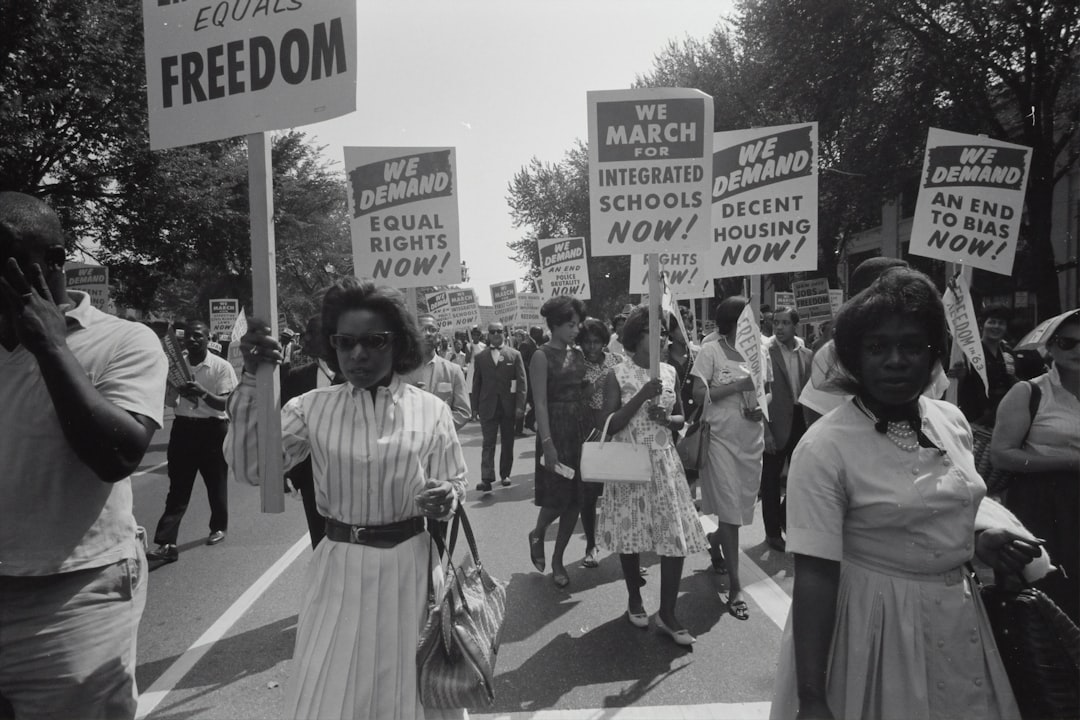
The evolving dynamics of civil liberties will require both journalists and officials to adapt and advocate for their rights. As the landscape changes, the need for awareness and proactive measures to protect these freedoms will only grow.
As the landscape changes, the need for awareness and proactive measures to protect these freedoms will only grow.
Frequently Asked Questions
What are my rights as a journalist during a government lockdown?
Journalists have the right to report on public events, including government lockdowns. Legal protections exist to ensure they can access information necessary for their reporting, though these rights may be challenged during emergencies.
How should government officials respond to public criticism?
Government officials should engage openly with public criticism, fostering dialogue and transparency. This engagement is crucial for maintaining public trust and accountability.
What legal protections do journalists have when covering sensitive events?
Journalists are protected under the First Amendment, which guarantees freedom of speech and the press. However, these protections can be tested during sensitive events, making it important for journalists to be aware of their rights.
You may also like
 Government & Policy
Data retention policies undermine government agency effectiveness
The analysis that follows dissects how fragmented retention rules generate hidden costs, dilute.
Read More →