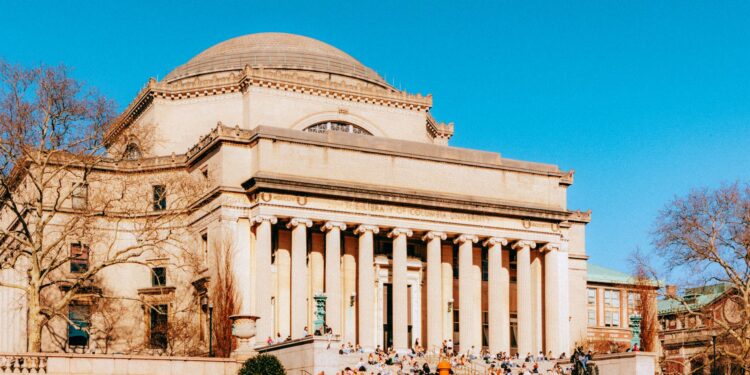
Columbia University’s new president steps into leadership as senior administrators, including Barnard Dean Leslie Grinage, depart, prompting community concerns.
Columbia University has installed a new president while the campus confronts a series of senior-administrative departures.West Harlem community leaders have voiced frustration that the university’s internal instability leaves the neighborhood’s priorities unattended.
Columbia University announced the appointment of a new president earlier this year, positioning the leader to assume duties as the institution contends with a heightened rate of senior-administrative turnover. The turnover includes the pending departure of Barnard College Dean Leslie Grinage, who will leave her post effective January 5, 2026 [3]. The developments are unfolding on Columbia’s Morningside Heights campus in New York City, with ripple effects reported in the adjacent West Harlem community.
The university’s leadership transition involves Columbia’s Board of Trustees, the newly appointed president, and senior administrators across the university’s schools, including Barnard College [2]. The appointment process followed a national search conducted by the Board, culminating in the selection of a candidate whose background includes prior experience at a major research university [2]. The high turnover rate emerged from a series of resignations and reassignments over the past two years, prompting scrutiny from both internal constituencies and external observers [2]. West Harlem community leaders have expressed that the frequent changes in university leadership have impeded sustained collaboration on neighborhood initiatives [2].
Administrative Turnover Context
Columbia University has experienced a succession of senior-administrative changes, with at least six high-profile departures reported since 2024 [2]. The pattern includes the exit of deans, vice presidents, and senior faculty administrators, contributing to a perception of instability within the university’s governance structure [2]. The most recent announced departure is that of Barnard College Dean Leslie Grinage, who will conclude her tenure on January 5, 2026, after serving as dean for three years [3]. Grinage’s resignation follows a broader trend of turnover that has affected multiple schools within the university system [2].
West Harlem leaders, representing neighborhoods that border Columbia’s campus, have articulated concerns that the university’s internal flux has delayed or stalled joint projects on housing, workforce development, and community health [2]. In a statement to the Columbia Daily Spectator, community representatives noted that “the constant reshuffling of university leadership has left us without a consistent point of contact, hindering progress on long-standing collaborative initiatives” [2]. The leaders also highlighted that the university’s national profile has drawn attention to its governance challenges, amplifying community frustrations [2].
West Harlem leaders, representing neighborhoods that border Columbia’s campus, have articulated concerns that the university’s internal flux has delayed or stalled joint projects on housing, workforce development, and community health [2].
The UAE's potential withdrawal of investments in the UK, following Manchester City's guilty verdict for financial breaches, could significantly impact the sports and real estate…
New President’s Appointment and Immediate Challenges
Columbia University New President Inherits Leadership Turnover Amid West Harlem Concerns
Columbia’s Board of Trustees confirmed the selection of a new president in a ceremony held at the university’s Low Memorial Library in early 2025 [2]. The president, whose prior role was senior vice president for research at a leading public university, began a transition period that includes meeting with faculty, staff, and student leaders to assess ongoing initiatives [2]. The appointment coincides with the university’s ongoing administrative turnover, requiring the new president to address continuity of operations and morale among remaining staff [2].
The president’s inaugural address outlined a commitment to stabilizing leadership structures, enhancing communication channels, and reinforcing partnerships with external stakeholders, including West Harlem community organizations [2]. The administration has scheduled a series of listening sessions with faculty and staff to identify immediate concerns related to recent departures and to develop a retention strategy for senior administrators [2]. Additionally, the president has pledged to maintain the university’s existing community-engagement agreements while exploring new collaborative frameworks to address neighborhood priorities [2].
Impact on Students, Faculty, and Community
Students across Columbia’s undergraduate and graduate programs may experience disruptions in academic advising, program administration, and extracurricular coordination as senior administrators transition out of their roles [2]. Faculty members have reported increased workloads related to interim leadership responsibilities and uncertainty regarding departmental budgeting processes [2]. The university’s human-resources office has issued interim appointments for key positions to mitigate service gaps, but the temporary nature of these assignments has prompted calls for expedited permanent hires [2].
For the West Harlem community, the leadership turnover has delayed the implementation of joint projects aimed at affordable housing development and workforce training programs that were previously negotiated under stable university contacts [2]. Community leaders have scheduled a series of meetings with the new president to reestablish dialogue and to secure assurances that collaborative initiatives will proceed without further interruption [2]. The university’s continued focus on research and academic excellence remains, but the current leadership transition underscores the need for sustained engagement with local stakeholders to maintain the institution’s social-impact commitments [2].
BT's decision to pause broadband services for some customers has sparked accusations of bullying, raising concerns about the impact on vulnerable populations during the transition…
What: Columbia University’s new president assumes office amid a series of senior-administrative departures, including Barnard Dean Leslie Grinage’s pending exit.
For the West Harlem community, the leadership turnover has delayed the implementation of joint projects aimed at affordable housing development and workforce training programs that were previously negotiated under stable university contacts [2].
When: Turnover events span 2024-2026; Grinage’s departure is effective January 5, 2026.
Impact: Students, faculty, and the West Harlem community face operational disruptions and delayed collaborative projects as the university works to stabilize its leadership.
Sources
As Columbia sees national scrutiny and constant administrative turnover, West Harlem leaders say they’ve been left behind – Columbia Daily Spectator
Barnard Dean Leslie Grinage to leave college effective Jan. 5, 2026, continuing administrative turnover – Columbia Daily Spectator



News
News