No products in the cart.

Climate Regulation Rollbacks and Nuisance Lawsuits
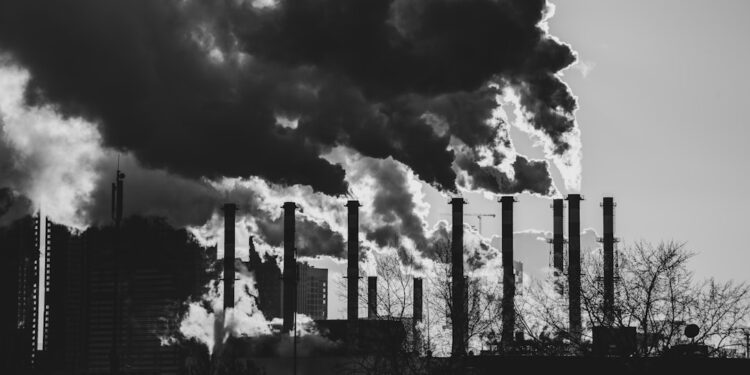
This article examines the connection between climate regulation rollbacks and the surge in nuisance lawsuits, highlighting the implications for environmental accountability.

Climate Regulation Rollbacks: A Turning Point
The recent rollbacks of climate regulations in the United States mark a significant shift in environmental policy. These changes, primarily driven by the current administration, aim to dismantle key protections established under previous governments. As a result, the Environmental Protection Agency (EPA) has seen its authority to regulate greenhouse gas emissions greatly reduced. This shift raises concerns about the long-term impacts on climate change and public health.
According to Knowledge at Wharton, the repeal of the EPA’s endangerment finding under the Clean Air Act could limit federal regulatory power. This action not only undermines existing climate protections but also sets a precedent for states to take matters into their own hands. As federal oversight wanes, state-level regulations and lawsuits are becoming more prominent, leading to a new legal landscape for environmental accountability.
Moreover, the rollback of these regulations has fueled public outcry and legal challenges. Communities affected by pollution are increasingly turning to nuisance lawsuits as a means to hold companies accountable. This legal strategy reflects a growing frustration with the government’s inaction on climate issues and highlights the judiciary’s role in addressing environmental harm.
Nuisance Lawsuits: A Growing Legal Strategy
Nuisance lawsuits have emerged as a critical tool for communities seeking justice against polluters. These legal actions typically involve claims that a company’s operations harm the public’s health or the environment. With the weakening of federal regulations, more individuals and communities are filing lawsuits against companies that contribute to environmental degradation.
According to EPA, these lawsuits often target fossil fuel companies and power plants, which are major contributors to greenhouse gas emissions. The legal framework allows plaintiffs to argue that these companies are creating a public nuisance, thereby seeking damages or injunctive relief. The rise of such lawsuits is indicative of a broader societal shift toward holding corporations accountable for their environmental impact.
The legal framework allows plaintiffs to argue that these companies are creating a public nuisance, thereby seeking damages or injunctive relief.
You may also like
 Entrepreneurship & Business
Indonesia, IIT Madras Unite for Deep-Tech Research
The MoU was signed during a visit by Indonesia's Minister of Higher Education, Science and Technology, Prof Brian Yuliarto, to IIT Madras.
Read More →As these lawsuits gain traction, they are reshaping the relationship between businesses and the communities they operate in. Companies are now facing increased scrutiny and potential legal consequences for their environmental practices. This shift not only affects corporate behavior but also influences public perception and consumer choices, as more individuals prioritize sustainability when making purchasing decisions.
Policy Changes and Business Implications
The interplay between policy changes and business practices is crucial in understanding the current landscape of environmental regulation. The rollback of climate regulations has significant implications for businesses, especially those in high-emission industries. Companies must navigate a complex environment where regulatory certainty is diminishing.
Data from NRDC indicates that the rollback of regulations could lead to increased emissions and environmental harm. Businesses that fail to adapt to this changing landscape may face legal challenges and reputational damage. As nuisance lawsuits become more common, companies must reassess their environmental strategies to mitigate risks and align with evolving public expectations.
On a global scale, the U.S. regulatory changes could influence other countries’ approaches to climate policy. Internationally, there is a growing recognition of the need for robust environmental protections. As countries grapple with climate change, the U.S. decision to roll back regulations may serve as a cautionary tale for other nations considering similar paths.
On one hand, proponents of deregulation argue that reducing regulatory burdens fosters economic growth and innovation.
Contradictions in Climate Policy Debate
The current climate policy landscape is rife with contradictions and active debates. On one hand, proponents of deregulation argue that reducing regulatory burdens fosters economic growth and innovation. They contend that businesses can thrive without excessive government intervention, leading to job creation and economic benefits.
You may also like
 Entrepreneurship & Business
Meet the eight startups pitching
Australia's Startup Battlefield showcases eight innovative startups vying for investment opportunities in AI, health tech, and workforce management, reflecting a growing tech ecosystem poised for…
Read More →Conversely, critics argue that such rollbacks jeopardize public health and the environment. The evidence suggests that without strong regulations, emissions will rise, exacerbating climate change and its associated impacts. According to Scientific American, the rollback of climate regulations contradicts established scientific consensus on the need for urgent action to address climate change.

This debate highlights a fundamental tension between economic interests and environmental responsibility. As communities increasingly resort to nuisance lawsuits, the effectiveness of this legal approach remains a topic of discussion. Some argue that while lawsuits can hold companies accountable, they may not provide comprehensive solutions to systemic environmental issues.
Legal Landscape and Future Considerations
The future of climate regulation and nuisance lawsuits remains uncertain. As states take the lead in environmental policy, we may witness a patchwork of regulations that vary significantly across the country. This fragmentation could complicate compliance for businesses operating in multiple jurisdictions.
The effectiveness of nuisance lawsuits in driving corporate change will depend on their ability to influence business practices and public policy.
Moreover, the rise of nuisance lawsuits may prompt legislative responses aimed at limiting such legal actions. As companies face increasing pressure from both the public and the courts, they may push for reforms that protect their interests. This dynamic could lead to a tug-of-war between corporate interests and community rights.
The intersection of climate policy and legal accountability will be critical in shaping environmental outcomes. The effectiveness of nuisance lawsuits in driving corporate change will depend on their ability to influence business practices and public policy. As the legal landscape evolves, stakeholders must remain vigilant in advocating for robust environmental protections.
You may also like
 Entrepreneurship & Business
Four Top Google A.I. Researchers Form New Start
The formation of a new AI startup by four top Google researchers, led by Jeff Dean, signifies a pivotal moment in the artificial intelligence landscape,…
Read More →