Early 2026 pilot programs introduced robot schools and AI tutors, while AI graduate enrollments rose 17% amid an 11% drop in undergraduate CS enrollment.
Pilot programs integrating robotic teaching assistants and AI tutors began in early 2026, while a Stanford‑affiliated AI Index report released on June 17, 2026 documented a 17 % rise in AI‑focused master’s graduates from 2023 to 2024.
Early 2026 saw the rollout of pilot programs for robot schools and AI‑powered education trials in a group of participating nations. The initiatives combine artificial‑intelligence tutors, robotic teaching assistants, and interactive learning platforms to deliver instruction in classroom settings. The pilots were announced and began operating in the first quarter of 2026, according to the Academic Jobs news release on robot‑school pilots【1】.
The pilots involve public and private education institutions, technology providers, and research teams that designed the AI and robotic components. Data collection on enrollment trends and graduate outcomes was performed by university registrars and the Stanford Institute for Human‑Centered Artificial Intelligence (HAI), which compiled the 2026 AI Index report【2】.
Pilot Programs and AI‑Powered Trials
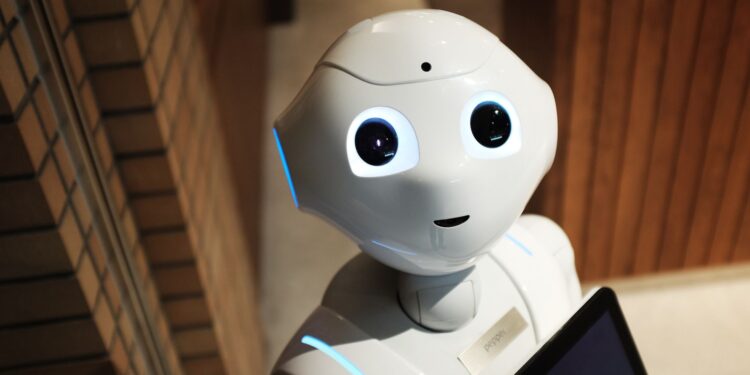
The robot‑school pilots integrate autonomous mobile robots that can navigate classroom spaces, project visual content, and respond to student queries using natural‑language processing. AI tutors operate on cloud‑based platforms that adapt lesson pacing based on real‑time assessment of student performance. The pilots were launched in early 2026 across a set of schools in unnamed participating countries, as described in the Academic Jobs announcement【1】.
Implementation follows a staged process: initial hardware installation, software configuration, teacher training, and a six‑month data‑gathering period. Researchers monitor metrics such as student engagement time, quiz scores, and attendance. The trials are funded through joint public‑private partnerships, with technology firms supplying hardware and software under pilot agreements.
Pilot Programs and AI‑Powered Trials The robot‑school pilots integrate autonomous mobile robots that can navigate classroom spaces, project visual content, and respond to student queries using natural‑language processing.
Enrollment Trends and Graduate Program Growth
Robot Schools and AI‑Powered Education Trials Launch in Select Countries; AI Graduate Programs Grow as CS Enrollment Declines
Between the 2024 and 2025 academic years, enrollment in undergraduate computer‑science programs at U.S. four‑year universities fell 11 %【2】. The decline was measured using enrollment data reported to the National Center for Education Statistics and confirmed by the AI Index analysis. Despite the drop in undergraduate CS enrollment, master’s programs focused on AI software‑related fields recorded a 17 % increase in graduates from the 2023 to 2024 cohorts【2】.
The growth in AI graduate output reflects heightened demand for specialized skills in machine learning, natural‑language processing, and robotics. Universities expanded AI‑focused curricula, added faculty positions, and increased research funding to accommodate the rising applicant pool. The AI Index report notes that the increase occurred across both public and private institutions, with the largest gains observed in engineering schools that introduced new AI concentration tracks.
Findings of the State of AI in Education 2026 Report
The Campus Consortium Foundation released the “State of AI in Education 2026” report on June 17, 2026【4】. The report surveyed 1,200 K‑12 and higher‑education institutions worldwide to assess AI adoption levels, perceived benefits, and evidence of learning‑outcome impact. According to the report, 42 % of surveyed schools had deployed at least one AI‑driven instructional tool, while 19 % reported using robotic assistants in classroom settings.
The report also highlighted a gap between rapid technology adoption and the availability of rigorous effectiveness studies. Only 23 % of institutions that implemented AI tools could cite peer‑reviewed research linking those tools to measurable improvements in student achievement. The authors recommended expanded longitudinal studies and standardized evaluation frameworks to guide future investments.
Impact on Students, Educators, and Institutions
Robot Schools and AI‑Powered Education Trials Launch in Select Countries; AI Graduate Programs Grow as CS Enrollment Declines
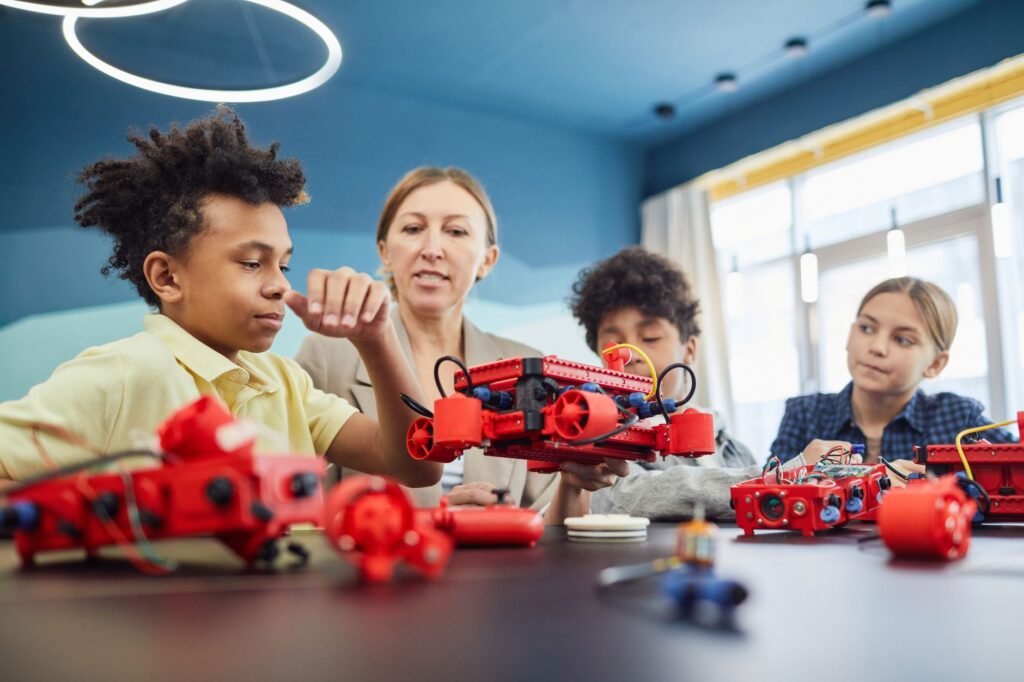
Students enrolled in pilot schools now experience blended instruction that includes AI‑generated feedback and robotic assistance. The immediate effect is access to personalized practice problems and on‑demand clarification of concepts, as recorded in early trial logs. Educators participating in the pilots receive professional‑development modules that cover AI tool operation, data‑privacy compliance, and instructional design for technology‑enhanced lessons.
Higher‑education institutions must allocate budgetary resources for hardware procurement, software licensing, and staff training to remain competitive in AI‑focused curricula. The 17 % rise in AI master’s graduates suggests that institutions offering robust AI programs may attract a larger share of graduate applicants, even as undergraduate CS enrollment declines. Policy makers and administrators are advised to consider the report’s call for evidence‑based evaluation when scaling AI initiatives.
Key Facts
The report surveyed 1,200 K‑12 and higher‑education institutions worldwide to assess AI adoption levels, perceived benefits, and evidence of learning‑outcome impact.
What: Pilot programs for robot schools and AI‑powered education trials launched; AI graduate numbers rose while CS enrollment fell.
When: Early 2026 launch; enrollment data 2024‑2025; AI graduate growth 2023‑2024; report released June 17, 2026.
Impact: Students receive AI‑enhanced instruction; educators gain new teaching tools; institutions must invest in technology and evidence‑based assessment.
Sources
Robot Schools Pilot Programs 2026: AI Education Trials – Academic Jobs
Education | The 2026 AI Index Report – Stanford HAI
The State of AI in Education 2026 – Campus Consortium Foundation



 News
News
News