No products in the cart.

Coal Power Plants Boost Output Amid Rising Demand
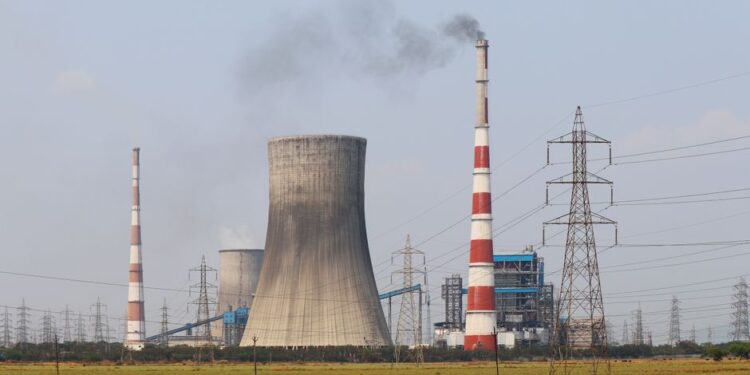
The Indian government mandates over 100 captive coal-fired power plants to operate at full capacity to meet rising electricity demand, driven by climate factors and industrial needs.

India’s government has mandated that more than 100 captive coal-fired power plants operate at maximum capacity starting October 1, 2026, to meet an anticipated rise in electricity demand. This directive, issued by the Ministry of Power, comes as the country braces for increased energy consumption due to the El Niño climate phenomenon, which has led to higher temperatures and, consequently, greater electricity needs. The order, which applies to plants with an installed capacity of at least 50 megawatts, is expected to remain in effect through the end of the year.
Under this emergency provision of the Electricity Act, the government aims to ensure that the electricity supply keeps pace with demand, particularly for industries heavily reliant on power, such as aluminum smelting, steel manufacturing, and cement production. The directive requires these plants to report weekly to the Central Electricity Authority on their generation, captive consumption, power sales, available capacity, and coal stocks.
Operational Flexibility and Efficiency in Coal Power Generation
As the demand for electricity continues to rise, the operational efficiency of coal power plants is under scrutiny. Career Ahead’s analysis finds that many plants are currently operating with critically low fuel stocks, with nearly 40% of coal-fired facilities facing shortages. This situation underscores the need for coal plant managers to enhance operational flexibility and efficiency to maximize output during peak demand periods. According to a report by Damco Group, leveraging captive centers effectively can significantly improve operational capabilities, allowing plants to respond more adeptly to fluctuating demand.
In response to the government’s order, plant managers are tasked with optimizing their operations to ensure compliance while also addressing the challenges posed by limited resources. This includes strategies such as improving maintenance schedules, streamlining fuel procurement processes, and enhancing workforce training to ensure that staff are equipped to manage increased operational demands. Furthermore, the integration of advanced technologies and data analytics can play a crucial role in enhancing operational efficiency. For example, predictive maintenance tools can help identify potential equipment failures before they occur, reducing downtime and ensuring that plants can operate at full capacity. Additionally, adopting more efficient coal handling and combustion technologies can lead to better fuel utilization and lower emissions, aligning with broader environmental goals.
Career Ahead research identifies a potential skill gap in energy management among coal power plant personnel. As the industry evolves, there is a growing need for professionals who are not only skilled in traditional operational roles but also adept in modern energy management practices. This shift presents an opportunity for training programs and educational institutions to develop curricula that address these emerging needs. The importance of such training is underscored by findings from SDLCCorp, which highlight the necessity for companies to critically assess their captive centers to ensure they are equipped to handle evolving operational demands.
As the industry evolves, there is a growing need for professionals who are not only skilled in traditional operational roles but also adept in modern energy management practices.
Regulatory Changes Impacting Energy Production
The recent directive from the Indian government is part of a broader trend of regulatory changes aimed at ensuring energy security. The Ministry of Power’s decision to invoke emergency provisions reflects the urgency of the situation, as the country prepares for a hot season that is expected to drive up electricity demand significantly. This regulatory shift is likely to influence energy policy analysts as they assess the implications for the energy market. Analysts will need to consider how this directive affects market dynamics, particularly in terms of pricing and supply. With more coal power plants operating at maximum capacity, there may be short-term fluctuations in electricity prices as supply adjusts to meet heightened demand. This could lead to increased competition among power producers, particularly as they navigate the complexities of the energy market and regulatory landscape.
Moreover, the government’s focus on maximizing coal power output may have long-term implications for India’s energy transition strategy. While the immediate goal is to ensure sufficient electricity supply, there is an ongoing debate about the role of coal in the country’s energy mix, especially in light of global climate commitments. Energy policy analysts will need to monitor how this directive aligns with India’s broader goals of reducing carbon emissions and transitioning to cleaner energy sources. The urgency of this situation is compounded by the fact that many industries are heavily dependent on stable electricity supplies, which makes the government’s intervention both timely and critical.
As the energy landscape evolves, there may be further regulatory changes aimed at balancing the need for immediate energy security with long-term sustainability goals. This presents an ongoing challenge for energy policy analysts who must navigate the complexities of the energy sector while advocating for policies that support a sustainable energy future. The situation is further complicated by the need for investment in renewable energy sources, which may require a reallocation of resources away from coal, thus impacting the overall energy strategy of the nation.

The order for coal power plants to maximize output is expected to have significant implications for the energy market in India. As demand surges, the competition among power producers is likely to intensify, leading to potential shifts in market pricing. This could create opportunities for some companies while posing challenges for others, particularly those that may struggle to adapt to the changing landscape. Career Ahead analysis indicates that companies like Tata Power, Reliance Industries, and Hindalco Industries, which operate significant coal-fired facilities, will need to adapt quickly to the new regulatory environment. Their ability to efficiently manage operations and respond to market dynamics will be crucial in maintaining their competitive edge.
Furthermore, as the government emphasizes the need for coal power to meet immediate energy demands, there may be increased scrutiny on environmental impacts and sustainability practices within the industry. Stakeholders, including investors and consumers, are becoming more conscious of the environmental footprint of energy production. This growing awareness may drive companies to invest in cleaner technologies and practices to mitigate their impact. The future of coal power in India remains uncertain, as the balance between meeting immediate energy needs and pursuing long-term sustainability goals will be a critical consideration. As the government navigates this complex landscape, the decisions made in the coming months will shape the trajectory of the energy sector and its role in India’s economic development.
The future of coal power in India remains uncertain, as the balance between meeting immediate energy needs and pursuing long-term sustainability goals will be a critical consideration.
As the situation unfolds, industry stakeholders will need to stay vigilant and responsive to changing regulations and market conditions. The evolving energy landscape presents both challenges and opportunities, and how companies choose to navigate these changes will be pivotal to their success in the coming years.
Frequently Asked Questions
What strategies can coal power plant managers implement to increase output?
Coal power plant managers can implement strategies such as optimizing maintenance schedules, enhancing workforce training, and integrating advanced technologies to improve operational efficiency. These measures will help ensure compliance with government directives while maximizing output during peak demand periods.
How will the government’s order affect energy policy analysis?
The government’s order will require energy policy analysts to closely monitor market dynamics, pricing fluctuations, and the long-term implications of increased coal power output. Analysts will need to assess how these changes align with India’s broader energy transition goals.

What should energy policy analysts consider regarding coal power plant operations during demand surges?
Energy policy analysts should consider the regulatory environment, market competition, and environmental impacts when evaluating coal power plant operations during demand surges. Understanding these factors will be crucial in developing effective energy policies that balance immediate needs with long-term sustainability goals.
Written by Career Ahead AI. AI can make mistakes, so verify key facts. Report errors to support@careeraheadonline.com.