

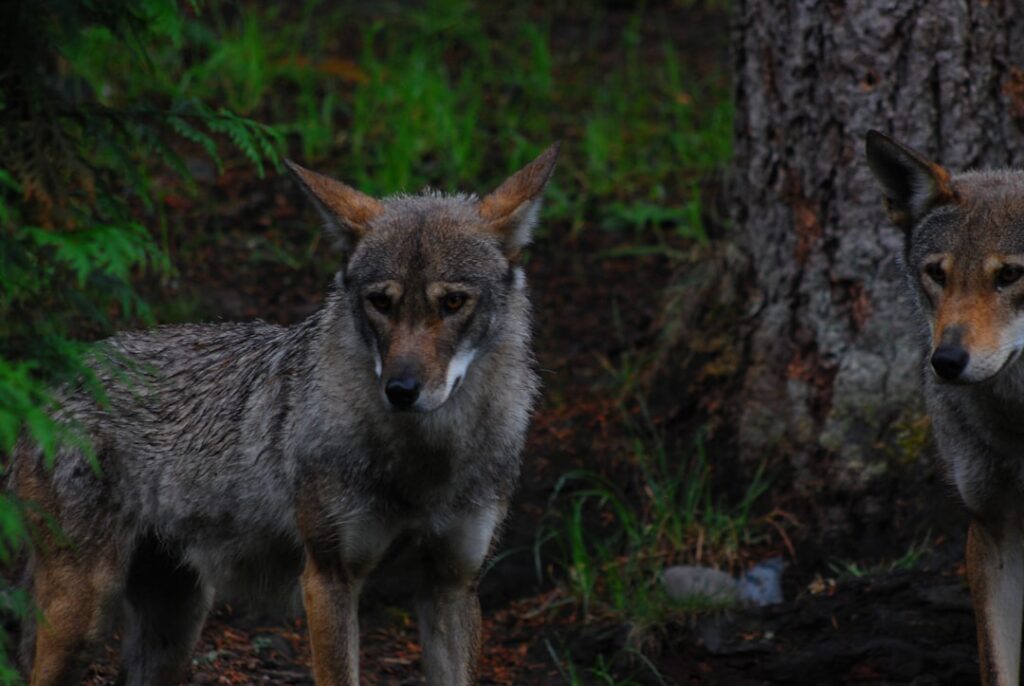
In a groundbreaking announcement that has stirred both excitement and skepticism, Colossal Biosciences claims to have cloned red wolves, a species that has been teetering on the brink of extinction for decades. Once prevalent across the eastern United States, the red wolf was declared extinct in the wild by 1980, with only a small population surviving in captivity. This bold move by Colossal has ignited a passionate debate within the scientific community and conservation circles about the future of endangered species and the ethics of genetic manipulation.
According to the MIT Technology Review, the announcement of the cloned red wolves coincided with Colossal’s ambitious plans to resurrect other extinct species, such as the woolly mammoth and the dire wolf. While the dire wolf project captures public imagination, the cloning of red wolves is viewed as a more immediate and practical application of genetic technology in conservation. Colossal has reportedly cloned four red wolf pups, which could provide a crucial genetic boost to the dwindling population of around 280 individuals in captivity and approximately 30 in a protected area in North Carolina.
The Science Behind Cloning Red Wolves
The cloning process employed by Colossal Biosciences utilizes advanced genetic technology similar to that used in cloning Dolly the sheep, the first mammal cloned from an adult somatic cell. The company’s scientists collected DNA from red wolf cells and employed a technique known as somatic cell nuclear transfer (SCNT) to create cloned embryos. These embryos were then implanted into surrogate mothers, resulting in the birth of the cloned red wolf pups.
Conservation Implications and Controversies
The intersection of cloning technology and conservation presents a complex landscape. Critics argue that while cloning may offer a temporary solution, it does not address the root causes of species decline, such as habitat loss and human encroachment. According to Scientific American, effective conservation requires a multifaceted approach that includes habitat protection and community engagement. The red wolf’s genetic diversity is already limited, and cloning could exacerbate this issue if not managed carefully.
As noted by Last of the Wild, the success of cloning initiatives will depend on how well they integrate with existing conservation frameworks.
Colossal’s cloning efforts have garnered attention but also highlight the ethical dilemmas surrounding genetic manipulation. Some scientists question whether cloning is a viable long-term solution for species recovery. Concerns arise that focusing on cloning could divert resources from critical habitat restoration and other conservation strategies. As noted by Last of the Wild, the success of cloning initiatives will depend on how well they integrate with existing conservation frameworks.
 Government & Policy
Chinese Brands Drop Mbappé After Mao Joke Backlash
Mengniu and Dongpeng condemned words that hurt Chinese sentiment, while CCTV suspended La Liga matches, according to The Paper.
Read More →The U.S. Fish and Wildlife Service (FWS) has been involved in the conservation of red wolves for decades. The FWS has expressed concerns about the potential risks and benefits of cloning, emphasizing the need for careful consideration and scientific evaluation. The red wolf recovery program aims to protect and manage the remaining population, which numbers around 280 individuals in captivity and about 30 in a protected area in North Carolina.
Moreover, the scientific community remains divided on the implications of cloning for biodiversity. While some view it as a revolutionary tool, others caution against the risks of creating genetically uniform populations. The debate continues as stakeholders weigh the potential benefits of cloning against the need for comprehensive conservation efforts.
The Future of Red Wolves and Cloning Technology
Looking ahead, the future of red wolves and the role of cloning in conservation remain uncertain. Colossal’s cloning project could serve as a model for similar initiatives aimed at other endangered species. However, the success of these efforts hinges on public perception and acceptance of genetic technologies in wildlife management. As the conversation around cloning evolves, it is crucial to consider the broader implications for conservation policy. Policymakers must balance the excitement of technological advancements with the realities of ecological restoration.
However, the success of these efforts hinges on public perception and acceptance of genetic technologies in wildlife management.
The plight of the red wolf serves as a reminder that while science can offer innovative solutions, it cannot replace the need for sustainable practices that protect natural habitats. The cloning of red wolves represents a significant step in the ongoing struggle to save endangered species. While the potential benefits are clear, the ethical and practical challenges cannot be overlooked. As conservationists and scientists navigate this new frontier, the lessons learned from the red wolf cloning project will likely shape the future of wildlife conservation.
Written by Career Ahead AI. AI can make mistakes, so verify key facts. Report errors to support@careeraheadonline.com.





