No products in the cart.

WeWork’s IPO Challenges: A Closer Look at the Concerns
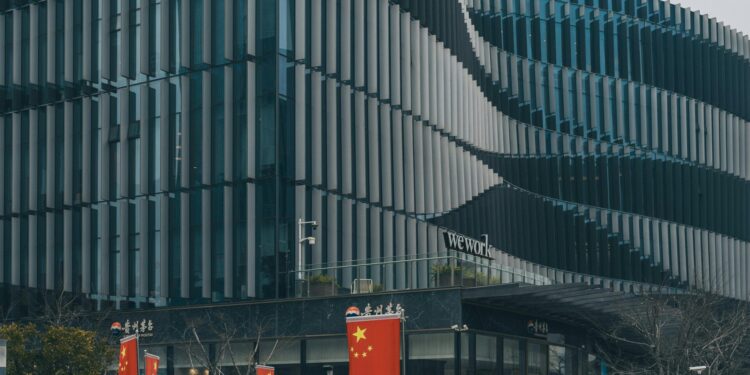
WeWork's IPO faces stagnation amid market concerns. Explore the implications for the company and the wider sector.

New York City, USA — WeWork, once the darling of the startup world, is facing an uphill battle as it embarks on its Initial Public Offering (IPO). On day one of the subscription process, the company’s Grey Market Price (GMP) has remained stagnant, raising eyebrows and sparking concerns among investors and market analysts alike. What’s fueling this unease?
Founded in 2010, WeWork promised a revolution in the way people work, offering shared office spaces that were as much about community as they were about convenience. However, the company’s journey has been anything but smooth. After a high-profile collapse in 2019, which saw its valuation plummet from $47 billion to less than $8 billion, WeWork has struggled to regain its footing in a post-pandemic world.

Now, as the company attempts to lure investors with its IPO, the initial signs are less than encouraging. Subscription trends reveal a lukewarm response, and the silence of analysts on the GMP indicates a cautious approach to what was once viewed as a game-changing enterprise.
At the heart of WeWork’s current predicament lies a myriad of factors. First and foremost is the changing landscape of work itself. The COVID-19 pandemic has irrevocably altered how companies view office spaces. Remote work has become the norm rather than the exception, leaving many to question the necessity of shared office environments. As organizations adapt to this new reality, the demand for WeWork’s services has been called into question.
At the heart of WeWork’s current predicament lies a myriad of factors.
Secondly, concerns regarding WeWork’s financial health loom large. The company has been operating at a loss for several quarters, and its revenue model is under scrutiny. Analysts are particularly wary of its ability to sustain profitability in a market that has become increasingly competitive. WeWork’s previous overvaluation and the subsequent fallout have made investors cautious, fearing that history might repeat itself.
Further complicating matters is the broader economic climate. With interest rates rising and inflation persisting, investors are becoming more selective about where they place their bets. The tech sector, which includes many of WeWork’s potential clients, has seen a downturn, causing stakeholders to reassess their risk tolerance.
In addition, WeWork’s image has taken a hit. The extravagant spending habits under former CEO Adam Neumann led to a perception of recklessness. Although new leadership has sought to rebrand the company and instill a more conservative approach, restoring confidence will take time. Investors remember the headlines of lavish parties and a corporate culture that seemed out of touch with reality.
Amidst these challenges, some experts remain optimistic. They argue that WeWork’s model still holds potential, especially as businesses continue to explore flexible work arrangements. With the rise of hybrid work environments, the demand for adaptable office solutions could very well rebound. Yet, for this to occur, WeWork must demonstrate a clear path to profitability and a robust strategy for navigating an unpredictable market.
You may also like
 Entrepreneurship & Business
Earnings Must Validate AI Investments
Tiffany McGhee emphasizes the need for companies to demonstrate the effectiveness of their AI investments in earnings reports, as global AI spending is projected to…
Read More →Looking ahead, the company needs to focus on transparency and accountability. Investors are no longer just looking for innovative ideas; they want to see solid financials and a sustainable growth strategy. If WeWork can stabilize its operations and adapt to the evolving work landscape, there could still be hope for a successful IPO.
They argue that WeWork’s model still holds potential, especially as businesses continue to explore flexible work arrangements.
The outcome of this IPO will be watched closely, not only for what it means for WeWork but also for the future of the flexible workspace industry. As the world grapples with the aftermath of a global pandemic, the very definition of work is being reimagined. WeWork stands at a crossroads, and its next steps could pave the way for a new era of entrepreneurship in the workspace sector.