
Colleges that embed mastery-focused curricula now climb the new rankings, while those clinging to credit hours watch their prestige and budgets slip.
Disrupting Traditional Education Models
Western Governors University’s 12% jump in enrollments after expanding its competency-based nursing track caught the attention of deans watching the upcoming U.S. College Impact Index (USCII) rollout. The index promises to weight mastery of skills over seat-time, threatening the credit-hour model that has defined U.S. higher education for a century.
Students, especially Gen Z and early-career workers, are demanding education that fits their schedules and delivers immediate job relevance. A 2024 survey by the National Center for Education Statistics showed 68% of undergraduates would switch schools for a program that lets them progress at their own pace.
The Rise of Competency-Based Education
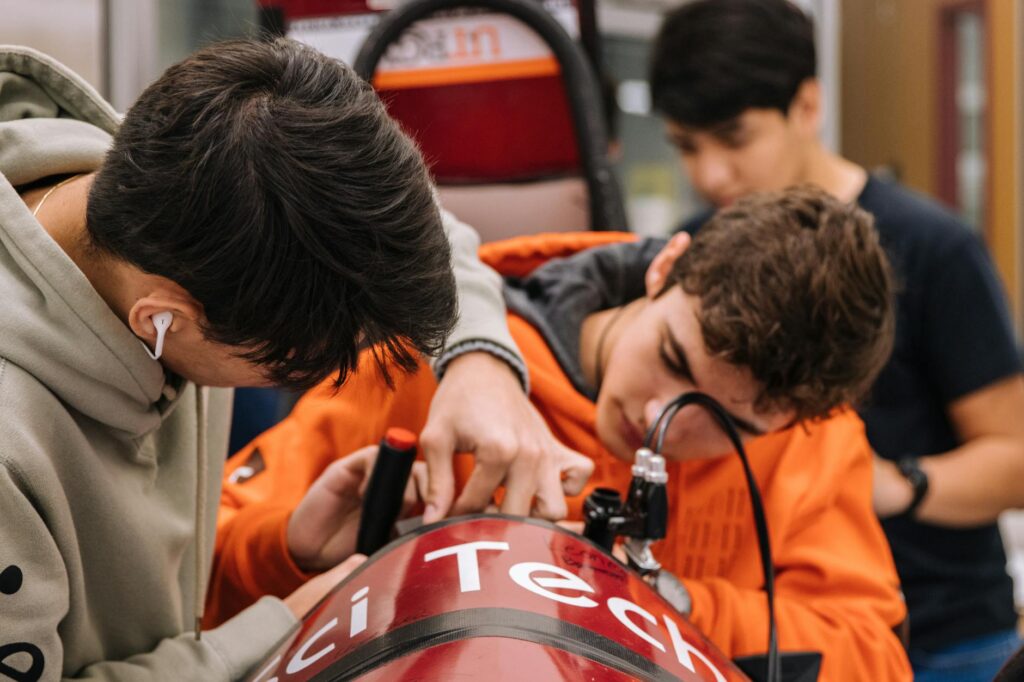
Competency-based education (CBE) measures learning by demonstrated mastery rather than clocked hours. Learners complete assessments when ready, earning credits for proven skills. Proponents argue CBE shortens time to degree and slashes tuition.
Students, especially Gen Z and early-career workers, are demanding education that fits their schedules and delivers immediate job relevance.
A 2023 study by the American Council on Education (ACE) found CBE graduates earned 15% higher salaries within two years, while paying 22% less for tuition. Institutions such as Southern New Hampshire University and Purdue University Global have already launched CBE pathways in business, IT, and health care, with graduation rates rising 8% and student satisfaction scores climbing 12% over the past three years.
Implications for College Rankings and Accreditation
The USCII’s methodology will assign lower scores to schools that retain rigid credit-hour structures. Early test runs show that universities ranking in the top 50 under the traditional U.S. News model fell an average of 17 places when CBE metrics were applied.
Accreditation agencies are adjusting too. The Distance Education Accrediting Commission (DEAC) announced in March 2025 that it will award “Competency Excellence” status to programs meeting a new mastery benchmark. Schools lacking this badge may face longer review cycles and reduced eligibility for federal aid.
Response: US Colleges Embracing Competency-Based Education
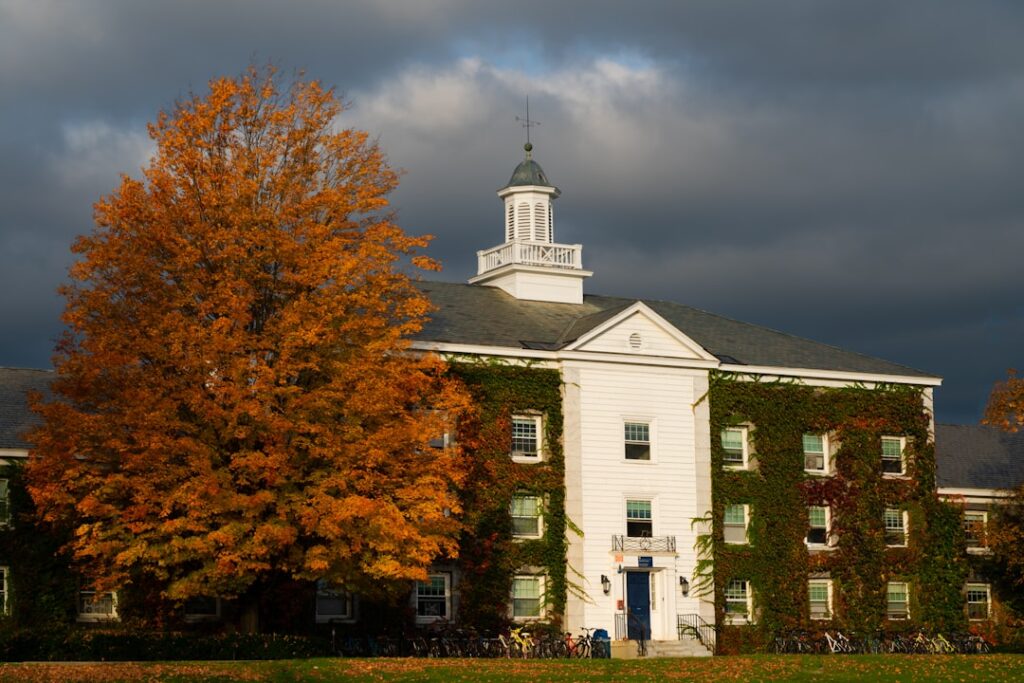
In reaction, a wave of colleges is either launching fresh CBE programs or retrofitting existing curricula. Arizona State University’s “Skills First” initiative restructured 30% of its undergraduate courses around competency modules, backed by a $45 million investment in adaptive learning platforms.
Faculty development has become a priority. The University of Maryland created a “Mastery Teaching Lab” that trains professors to design assessments that map directly to industry-defined competencies. Industry partnerships are also accelerating, with the National Association of Manufacturers teaming with community colleges in the Midwest to co-create competency frameworks for advanced manufacturing.
 Education & University Insights
How to Weigh Study Abroad’s Personal Value Against Its Cost
Separate personal motivations from institution-level payments before treating study abroad as a simple cost-versus-career calculation.
Read More →Arizona State University’s “Skills First” initiative restructured 30% of its undergraduate courses around competency modules, backed by a $45 million investment in adaptive learning platforms.
Outlook: The Future of Higher Education in the US
Analysts at the Brookings Institution project that by 2030, CBE will account for 35% of all undergraduate enrollments, up from 12% in 2022. The USCII is expected to become a primary decision-making tool for students, employers, and policymakers, nudging the sector toward mastery-centric models.
Innovation will likely intensify, with more AI-driven assessment tools providing instant feedback and greater data sharing between colleges and employers to keep competency maps current. However, the transition will be uneven, with institutions with deep endowments and tech infrastructure surging ahead, while smaller colleges may struggle to fund the required platforms and faculty training.
Written by Career Ahead AI. AI can make mistakes, so verify key facts. Report errors to support@careeraheadonline.com.