No products in the cart.

U.S. DOT Service‑Dog Air Travel Rules Remain in Effect, Creating Ongoing Challenges for Veteran Travelers
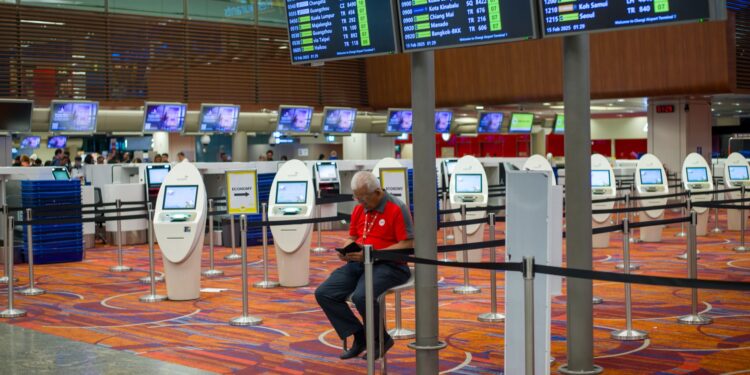
The 2021 DOT rule continues to limit air travel to dogs, prompting veteran service‑dog handlers to navigate documentation, seating and security challenges.

The U.S. Department of Transportation’s 2021 service‑animal rule continues to limit air travel to dogs only. Veterans who rely on trained service dogs report difficulties navigating crowded airports and airline cabin restrictions under the unchanged regulations.
The U.S. Department of Transportation (DOT) issued its final service‑animal rule in December 2021, restricting recognized service animals to dogs and permitting them to travel in the aircraft cabin [2]. The rule applies to all U.S. airlines and airports and remains unchanged through 2026 [2]. The regulation was adopted after the DOT received more than 15,000 public comments on a proposed rule issued in 2020 [2].
The rule’s implementation involves the DOT, commercial airlines, and veteran service‑dog organizations such as Northwest Battle Buddies (NWBB) and K9s For Warriors. The agencies and nonprofits have adjusted policies and outreach to help veterans comply with the cabin‑access requirements while addressing security‑line procedures and aircraft‑cabin space constraints [1][3][4].
Updated Service‑Dog Travel Rules
The 2021 DOT rule defines a service animal as “any dog that is individually trained to do work or perform tasks for the benefit of a qualified individual with a disability” [2]. Animals other than dogs, including emotional‑support animals, are no longer granted cabin access under the regulation [2]. Airlines must allow service dogs to accompany passengers in the cabin without additional fees, but they may require documentation confirming the animal’s training and health [4].
Airlines updated their public policies in early 2022 to align with the DOT rule, publishing standardized forms for passengers to declare a service dog and providing guidance on seating arrangements [4]. The rule also obligates airlines to accommodate service‑dog handlers during security screening, allowing the dog to remain on a leash and under the handler’s control while the handler undergoes standard screening procedures [4].
No further amendments to the rule have been announced as of July 2026, and the DOT has indicated that the existing framework will continue to govern service‑animal travel for the foreseeable future [2][4].
No further amendments to the rule have been announced as of July 2026, and the DOT has indicated that the existing framework will continue to govern service‑animal travel for the foreseeable future [2][4].
You may also like
 News
NewsAnup Bagchi Takes Charge as HDFC Bank MD & CEO
Anup Bagchi, with over three decades in financial services, is set to lead HDFC Bank starting October 27, 2026, following the retirement of Sashidhar Jagdishan.
Read More →Veteran Organizations and Airline Implementation
Northwest Battle Buddies (NWBB) pairs veterans with PTSD and other service‑connected disabilities with professionally trained service dogs, operating programs at multiple military installations and civilian locations nationwide [1]. K9s For Warriors, a nonprofit founded in 2011, provides similar service‑dog placements at no cost to veterans, focusing on PTSD, traumatic brain injury, and military sexual trauma [3]. Both organizations have issued travel‑guidance briefs to their veteran members, outlining the documentation required by airlines and the steps to request accommodations at security checkpoints [1][3].
Airlines have responded by creating dedicated customer‑service lines for service‑dog travelers and training staff on the DOT’s documentation standards [4]. Some carriers have introduced “service‑dog kits” that include leashes, harnesses, and health‑certificate templates to streamline the boarding process [4]. However, the kits do not alter the physical constraints of aircraft cabins, which typically allocate a limited number of seats for passengers traveling with a service dog [1].
Practical Challenges for Veteran Travelers
Veterans report that navigating crowded terminals, long security lines, and gate‑change announcements can be stressful for both handler and dog, testing the pair’s training and bond [1]. The requirement that the dog remain in the cabin limits seating options, often forcing the handler to occupy a row adjacent to the aisle to manage the animal’s needs [1]. In addition, airline policies that require a pre‑flight notification period of 48 hours can conflict with last‑minute travel plans common among service members and veterans [4].
Security screening presents another hurdle. While the DOT permits the dog to stay leashed with the handler, TSA officers may still request a brief visual inspection of the animal, which can cause delays and anxiety for the veteran [4]. Airports lacking dedicated service‑dog relief areas further complicate long layovers, requiring handlers to plan additional restroom breaks for the dog [1].
Immediate Impact on Stakeholders
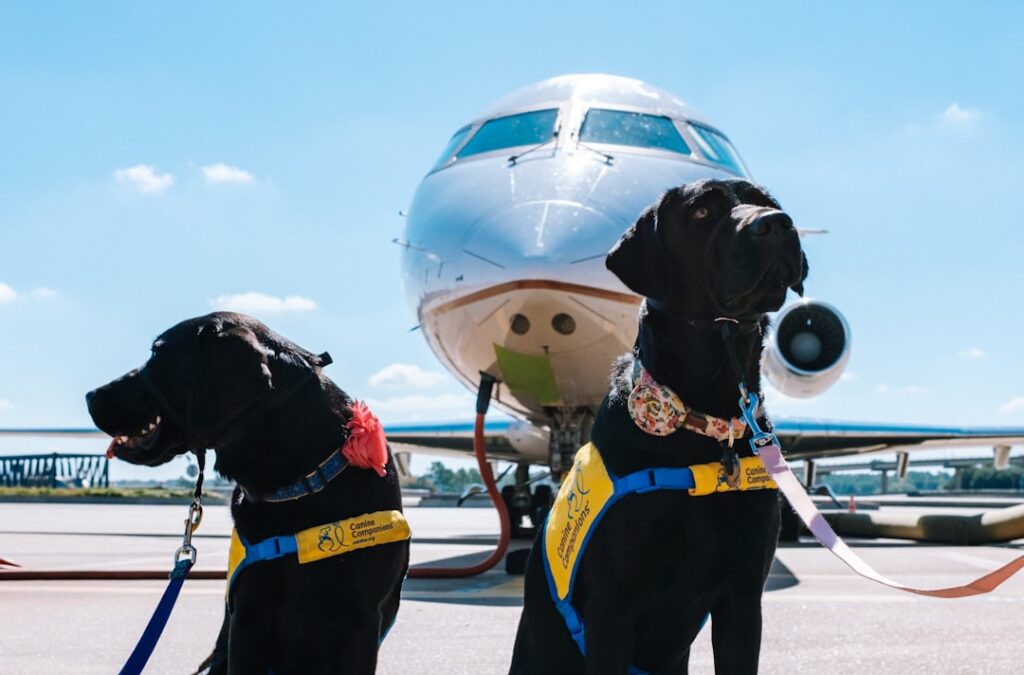
For veterans, the unchanged DOT rule means that service‑dog travel remains possible but subject to logistical constraints that can affect mental‑health outcomes and access to care [1][3]. Organizations such as NWBB and K9s For Warriors continue to provide educational webinars and one‑on‑one assistance to help veterans prepare travel documentation and understand airline seating policies [1][3].
Organizations such as NWBB and K9s For Warriors continue to provide educational webinars and one‑on‑one assistance to help veterans prepare travel documentation and understand airline seating policies [1][3].
Airlines must maintain compliance with the DOT’s documentation standards, train staff on handling service‑dog passengers, and allocate cabin space in accordance with the rule, which can affect revenue management and seat‑allocation strategies [4].
You may also like
 News
NewsFood Prices Surge Amid Heatwaves and El Niño Impact
World food prices surged in September 2026, reaching their highest level in nearly four years due to extreme weather conditions and rising agricultural input costs.…
Read More →The DOT’s continued enforcement of the 2021 rule ensures a uniform national standard, but it also places the onus on veterans and service‑dog providers to navigate operational challenges at airports and on aircraft [2][4].
Key Facts
What: The 2021 DOT service‑animal rule, limiting cabin travel to dogs, remains in effect and creates logistical challenges for veterans traveling with service dogs.
When: Rule adopted December 2021; unchanged through July 2026.
Impact: Veterans must meet documentation and seating requirements; airlines must accommodate dogs in cabin space; nonprofit groups provide guidance to mitigate travel difficulties.
Impact: Veterans must meet documentation and seating requirements; airlines must accommodate dogs in cabin space; nonprofit groups provide guidance to mitigate travel difficulties.
You may also like
 News
NewsTokyo Inflation Surge Signals BOJ’s Monetary Policy Shift
Inflation in Tokyo has surged to 3.4%, prompting the Bank of Japan to reassess its monetary policy. This article explores the implications for economic growth,…
Read More →Sources
- Service Dog Air Travel: 5 Things Every Veteran Should Know Before … – Grit Daily
- New 2026 Rules and Restriction for Flying with Service Dogs (and ESA) – Service Dog Training Online
- K9s For Warriors – Service Dogs for Veterans – K9s For Warriors
- Flying with a Service Dog: Airline Policies and DOT Rules – My PSD