No products in the cart.

Concerns Rise Over ChatGPT for Teens and Academic Integrity
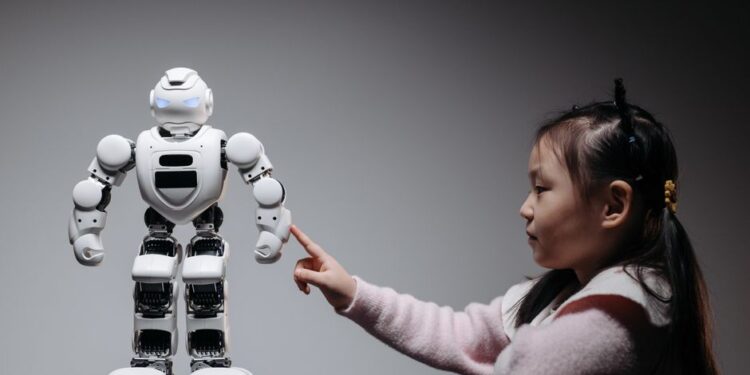
The introduction of ChatGPT for Teens has sparked significant concerns regarding academic integrity and safety in education. As students increasingly rely on AI for homework help, educators face new challenges in maintaining educational standards and ensuring student safety.

High school students are increasingly using AI tools like ChatGPT for homework help. This trend raises concerns about academic integrity and student safety. The launch of ChatGPT for Teens has sparked discussions among educators and safety nonprofits about the reliability of these AI tools and their effects on learning.
As students turn to these tools for assignments, educators must rethink their teaching methods and assessment strategies. This change brings both opportunities and challenges for the K12 education system. It prompts a closer look at how to integrate AI responsibly into learning environments.
Academic Integrity at Risk
A major concern with ChatGPT for Teens is its effect on academic integrity. Many educators fear that students may rely too much on AI for their assignments. This reliance could weaken their learning process. Career Ahead’s analysis shows that as AI tools become easier to access, the temptation to use them dishonestly grows.
A recent study by a children’s safety nonprofit found that ChatGPT struggles with some educational tasks. This raises questions about its reliability as a learning tool. Such inconsistencies may lead students to misuse the platform, submitting work that does not reflect their understanding or abilities.
As students use AI for homework help, educators need new ways to assess student learning accurately. Traditional evaluation methods may no longer work. This creates a need for innovative assessment techniques that consider AI assistance.
Career Ahead’s research suggests that educational institutions should set clear guidelines for the ethical use of AI tools. This includes teaching students about the importance of academic integrity and the risks of misusing AI for schoolwork.
As students use AI for homework help, educators need new ways to assess student learning accurately.
You may also like
 Education & University Insights
Colorado University Expands with Hyderabad Campus Plans
The University of Colorado Denver plans to establish a campus in Hyderabad, India, marking a significant milestone in international education collaboration. This initiative aims to…
Read More →As education evolves, educators must create an environment that promotes responsible AI use. This will help students navigate the challenges of technology in their learning journey.
Safety Concerns with AI Tools
Safety concerns also arise with the use of AI tools like ChatGPT among teenagers. Many parents and educators worry about the risks of unsupervised interactions with AI. These risks include exposure to inappropriate content and the chance of misinformation.
According to help.openai.com, the platform has put safety measures in place to reduce these risks. However, the effectiveness of these measures is still debated among educators and safety advocates. There is a growing agreement that while AI can provide valuable educational support, it also poses dangers.
To address these safety concerns, educators should integrate AI tools into the classroom carefully. This can involve guided interactions where teachers supervise students’ use of AI. Such oversight ensures that students use these tools appropriately and safely. This approach can help students gain confidence in using technology while reducing risks.
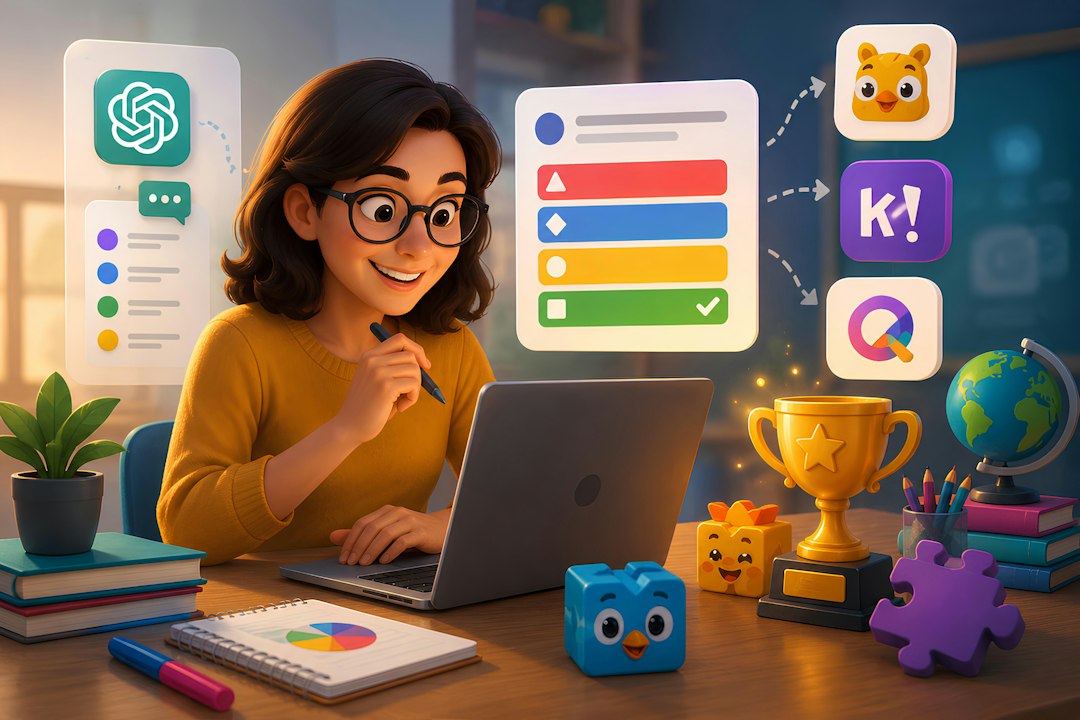
Career Ahead’s analysis indicates that implementing AI in education requires comprehensive training for educators. Teachers need the knowledge and skills to handle the challenges posed by AI tools. This will allow them to guide students effectively.
Career Ahead’s analysis indicates that implementing AI in education requires comprehensive training for educators.
As AI continues to develop, discussions about its role in education will likely grow. Educators must stay alert and adapt their methods to help students benefit from AI while ensuring their safety.
Future of AI in Education
The use of AI tools like ChatGPT for Teens in education is still new, but the potential for change is significant. As high school students increasingly depend on AI for help, educators face both challenges and opportunities to improve the learning experience.
You may also like
 Education & University Insights
French Students Demand Change Now
Students at Paul Éluard High School in a suburb of Paris are protesting against overcrowded classrooms, lack of resources, and poor infrastructure, reflecting a nationwide…
Read More →One possible future development is the creation of AI solutions tailored to students’ educational needs. These tools could offer personalized learning experiences, adjusting to each student’s strengths and weaknesses. This customization could lead to deeper engagement and better understanding of the material.

However, moving forward will require collaboration among educators, policymakers, and technology developers. Establishing a framework for the ethical use of AI in education is essential. Career Ahead’s analysis shows that proactive steps, like creating clear guidelines and providing training for educators, will be vital for shaping the future of AI in education.
As discussions about AI in education evolve, it is important to monitor how these tools affect student learning and safety. The key question remains: how can educators use AI effectively while ensuring academic integrity and a safe learning environment for all students?
As discussions about AI in education evolve, it is important to monitor how these tools affect student learning and safety.
Frequently Asked Questions
How can high school students use ChatGPT responsibly?
High school students can use ChatGPT responsibly by understanding its limits. They should not rely solely on it for homework. Educators should guide students to use AI as a supplement to enhance their learning, not as a replacement for their own efforts.
What should educators know about AI tools in the classroom?
Educators should understand the benefits and risks of AI tools like ChatGPT. They need to know how to integrate these tools effectively into their teaching while maintaining academic integrity and ensuring student safety.
What are the risks of using AI for homework assistance?
The risks of using AI for homework include over-reliance on the tool, which can undermine learning. There are also concerns about exposure to inappropriate content and misinformation. This highlights the need for guided use in educational settings.
You may also like
 Education & University Insights
IIIT Delhi BTech Average Package Hits Rs 20.77 Lakh
IIIT Delhi reports that the average salary for BTech graduates has reached Rs 20.77 lakh, with a placement rate of 98.26% for Computer Science and…
Read More →