No products in the cart.

Container Shipping Rates Spike, Straining Logistics Budgets
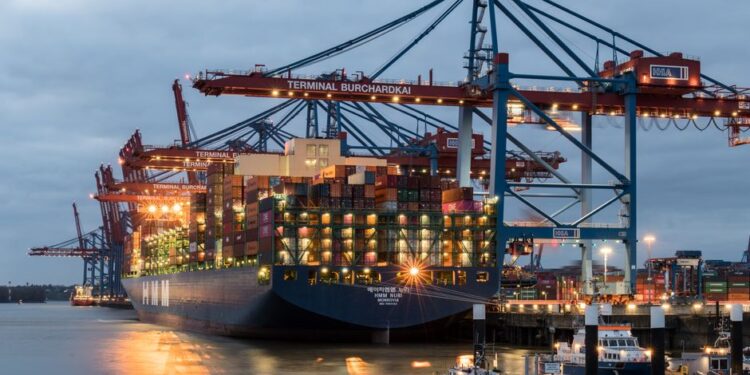
Rising container shipping rates are reshaping logistics budgets worldwide. This analysis shows that these fluctuations require strategic adjustments from logistics managers and supply chain analysts to mitigate costs and optimize operations.

Container shipping rates have surged in 2026, impacting logistics budgets and supply chain strategies globally. Recent data indicates that average shipping costs have increased by over 30% compared to last year, driven by rising fuel prices and high demand for goods. As a result, logistics managers and supply chain analysts are facing tighter budgets and fluctuating costs.
The spike in shipping rates is attributed to several factors, including supply chain disruptions and increased freight demand. According to Freightos, container shipping costs have reached record highs, with some routes experiencing price increases of up to 50%. Companies are now compelled to rethink their logistics strategies to maintain profitability while ensuring timely deliveries.
Effects on Logistics Budgets
The rise in container shipping rates directly affects logistics budgets, with higher transportation costs consuming a significant portion of financial resources. Logistics managers are reevaluating their cost structures and exploring alternative shipping options to mitigate expenses.
Many are turning to regional suppliers to reduce reliance on long-haul shipping, which has become increasingly expensive. This shift not only cuts costs but also supports local economies. Additionally, companies are considering multi-modal transport options that combine different shipping methods to optimize expenses.
Fluctuating shipping costs complicate budgeting and forecasting, necessitating a more dynamic approach that allows for adjustments based on market changes. Companies with flexible logistics strategies can better cope with rising costs, minimizing disruptions and maintaining a competitive edge.
As budgets tighten, transparent and efficient supply chain management becomes critical. Companies investing in technology to enhance visibility and streamline operations can better manage costs, ultimately improving overall logistics performance.
As budgets tighten, transparent and efficient supply chain management becomes critical.
Mitigation Strategies for Rising Shipping Costs
Logistics managers are employing various strategies to counteract rising shipping costs. One effective approach is renegotiating contracts with shipping providers. By leveraging higher shipping volumes, companies can negotiate better rates, helping to offset some of the increased costs.
Investing in supply chain technology is also crucial for boosting efficiency. Tools that provide real-time data on shipping rates enable logistics managers to make informed decisions swiftly. According to MoverDB, technology adoption in logistics is accelerating, with many companies utilizing advanced analytics to optimize routes and reduce shipping times.
Collaboration with other businesses can lead to significant cost savings. By forming alliances to share shipping resources, logistics managers can lower per-unit shipping costs, enhancing supply chain resilience.
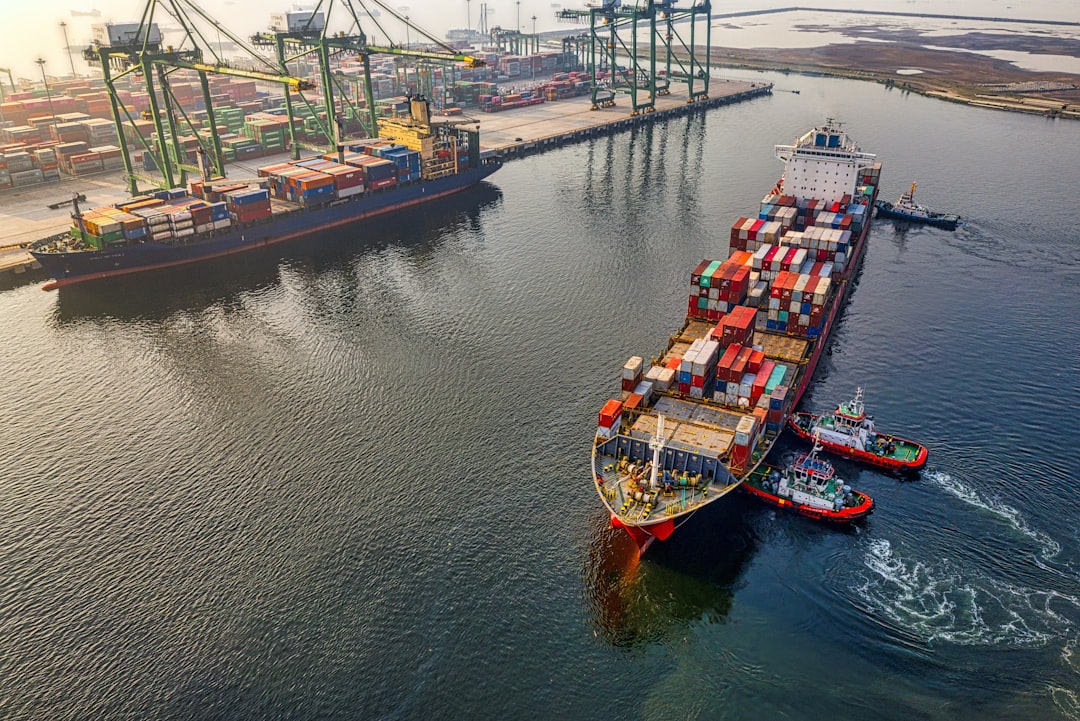
Diversifying shipping routes is another effective strategy. Research indicates that companies with diverse shipping options are less vulnerable to disruptions caused by fluctuating rates. Having multiple routes and carriers allows logistics managers to pivot quickly if one option becomes too costly.
Understanding these trends is essential for effective supply chain management.
Lastly, focusing on sustainability can also yield long-term savings. Implementing eco-friendly practices not only reduces costs but also appeals to environmentally conscious consumers. For instance, using energy-efficient shipping methods can lower fuel costs and minimize carbon footprints.
Global Shipping Demand Trends
The global demand for shipping services is on the rise, influenced by factors such as e-commerce expansion and supply chain recovery from the pandemic. As consumer demand increases, logistics managers must prepare for further fluctuations in shipping rates. Understanding these trends is essential for effective supply chain management.
Freightos reports that the growth of e-commerce is a major driver of increased shipping demand. As more consumers shop online, efficient logistics solutions become critical, putting additional pressure on shipping rates.

Geopolitical factors, including trade agreements and tariffs, can also affect shipping costs. Changes in trade policies may lead to increased costs for specific routes, prompting logistics managers to adapt their strategies accordingly. Companies that stay informed about these developments can better anticipate changes in shipping rates and adjust their budgets.
As shipping rates remain volatile, prioritizing flexibility in operations is crucial. Companies that can swiftly respond to changes in demand and shipping costs will be better positioned for success.
Companies that can swiftly respond to changes in demand and shipping costs will be better positioned for success.
Frequently Asked Questions
What are the current trends in container shipping rates?
Container shipping rates have surged by over 30% in 2026, influenced by rising fuel prices and increased demand for goods. This trend is expected to continue affecting logistics budgets worldwide.
How can supply chain analysts adapt to rising shipping costs?
Supply chain analysts can adapt by reevaluating cost structures and exploring alternative shipping options. Leveraging technology for real-time data on shipping rates is also beneficial. Flexibility and collaboration with other businesses can help mitigate expenses.
What should logistics managers do to optimize budgets in light of shipping rate changes?
Logistics managers should focus on renegotiating contracts with carriers and diversifying shipping routes. Investing in technology to enhance efficiency is crucial, as is adopting a dynamic budgeting approach that accounts for potential rate increases.
Related Articles
- Robotaxis Spark Urban Planning and Regulatory Challenges
Written by Career Ahead AI. AI can make mistakes, so verify key facts. Report errors to support@careeraheadonline.com.