No products in the cart.

Crafting America’s Countertops Poses Health Risks to Workers

The countertop manufacturing sector is facing increasing scrutiny due to serious health risks for workers. As awareness grows, the need for enhanced safety measures and regulations becomes critical. This article dives into the implications for workers in the industry and the urgent need for change.

In the United States, the countertop manufacturing industry faces serious health risks for its workers. Recent findings show high exposure levels to hazardous materials, like silica dust and chemicals used in production. This has led to calls for immediate action to improve safety measures and regulations in the industry.
The countertop industry plays a vital role in construction and home improvement. It employs thousands of workers nationwide. However, as awareness of workplace hazards grows, the need for better safety protocols is urgent. Workers often face harmful substances that can cause severe health issues, such as respiratory diseases and chronic conditions.
Understanding the Health Risks in Countertop Manufacturing
Workers in countertop manufacturing frequently encounter silica dust. This dust comes from cutting and polishing stone materials. The National Institute for Occupational Safety and Health (NIOSH) warns that prolonged exposure to silica can lead to silicosis, a serious and potentially fatal lung disease. Many countertops also use resins that contain volatile organic compounds (VOCs), which can cause respiratory problems and other health issues.
Career Ahead’s analysis of craftinamerica.org data shows that health risks in countertop manufacturing are real. Many workers report health problems linked to exposure to these materials. The lack of strict safety regulations worsens the situation, leaving workers at risk for long-term health issues.
Additionally, many manufacturing facilities lack proper ventilation. This leads to harmful dust and fumes accumulating in the air. Safety officers in the construction industry must prioritize effective ventilation systems to protect workers. The Occupational Safety and Health Administration (OSHA) has set guidelines for exposure limits, but enforcement varies across facilities.
As the countertop industry grows, the need for better safety measures becomes more urgent. Health complications not only affect workers but also impact compensation claims and overall industry productivity. Companies that ignore these risks may face legal issues and damage to their reputation.
Safety officers in the construction industry must prioritize effective ventilation systems to protect workers.
The Need for Enhanced Safety Regulations
You may also like
 Industry & Global Trends
Hormuz Crude Oil Exports Near Pre-War Levels
The return to pre-war export levels is crucial as it indicates a stabilization in the oil market. Producers and shipping industries have adapted by employing…
Read More →Current safety regulations in the countertop manufacturing industry often fail to protect workers from daily hazards. Many facilities do not have comprehensive training programs to educate employees about risks and safety protocols. According to PBS.org, the craft movement values quality and safety, yet the manufacturing sector often neglects these aspects.
Career Ahead research suggests that improved safety regulations could lower work-related injuries and illnesses. Stricter exposure limits and mandatory training for employees could create safer work environments. Regular health screenings for workers could also help identify health issues early, allowing for timely intervention.
Collaboration among industry stakeholders is essential for developing effective safety standards. Manufacturers, safety officers, and health organizations must work together to create a unified approach to workplace safety. This collaboration can lead to better compliance and a stronger safety culture in the industry. It can also promote knowledge sharing about best practices and innovative safety solutions.
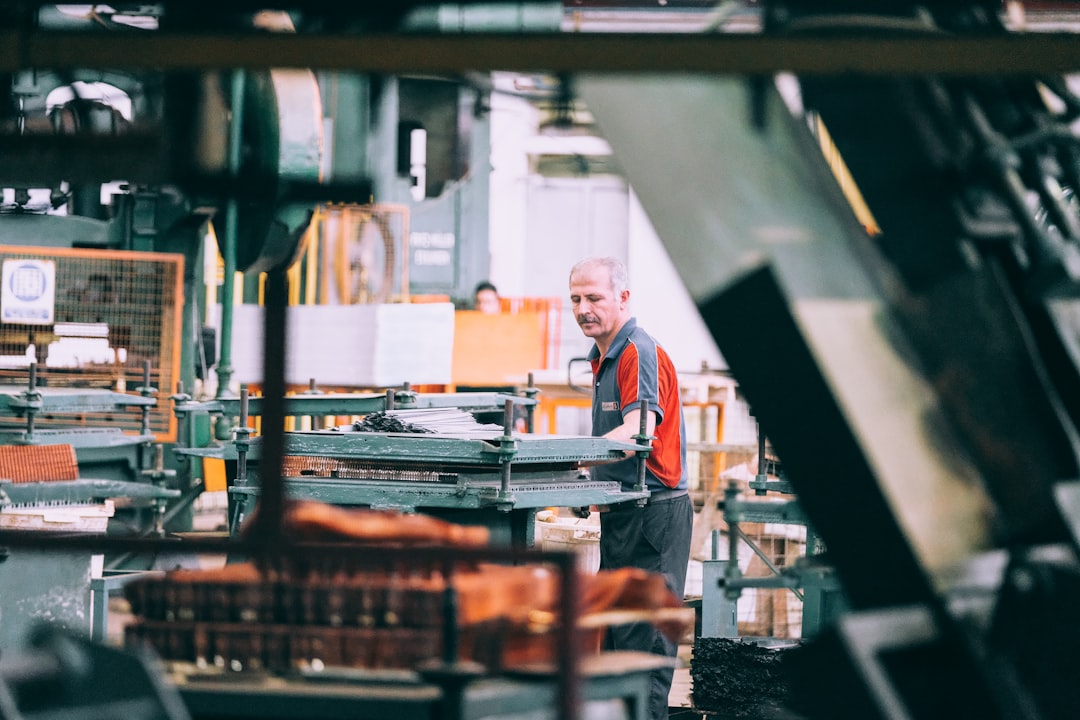
As awareness of these issues increases, consumers are becoming more informed about how their countertops are made. This shift can pressure manufacturers to prioritize worker safety and adopt sustainable practices. Companies that address safety concerns proactively may gain a competitive edge in the market.
Career Ahead analysis shows that workplace injuries and illnesses create a significant financial burden.
Implications for Workers and the Industry
Inadequate safety measures in the countertop manufacturing sector affect more than just individual workers. The overall health of the workforce impacts the industry’s productivity and profitability. When workers are often ill or injured, it leads to increased absenteeism and higher turnover rates. This disrupts production and raises costs.
Career Ahead analysis shows that workplace injuries and illnesses create a significant financial burden. Companies may face rising workers’ compensation claims, straining their resources and affecting profits. By investing in safety measures, manufacturers can reduce these risks and create a healthier work environment for everyone.
You may also like
 Industry & Global Trends
Man Charged
A US national has been charged with illegally exporting Nvidia chips to China, raising significant compliance and legal concerns in the semiconductor industry.
Read More →As the industry faces more scrutiny, regulatory bodies may enforce stricter safety standards. Companies that do not comply could face penalties, further impacting their financial stability. This potential for increased regulation highlights the importance of prioritizing worker safety and health.
The growing focus on workplace safety also opens new opportunities for workers in the industry. As companies strive to improve safety protocols, there will be a demand for safety officers and health professionals. This trend could lead to job growth in safety-related roles, providing new career paths for those interested in making a difference.
As the countertop manufacturing sector evolves, the emphasis on worker health and safety will likely continue to grow. The momentum for change is building, and stakeholders must recognize the urgency of addressing these issues. Improved health outcomes and a more sustainable industry depend on the collective efforts of manufacturers, safety officers, and workers.
Countertop manufacturing workers should know the risks of silica dust and VOCs.
Frequently Asked Questions
What safety measures should countertop manufacturing workers be aware of?
Countertop manufacturing workers should know the risks of silica dust and VOCs. Proper ventilation, personal protective equipment, and regular health screenings are essential safety measures.
How can safety officers improve conditions in the countertop industry?
Safety officers can enhance conditions by implementing training programs, ensuring compliance with safety regulations, and promoting a safety culture. Regular assessments of workplace conditions are also crucial.

What should manufacturing workers do if they experience health issues related to their job?
Workers experiencing health issues should report symptoms to their employers and seek medical attention. Documenting health concerns can help when filing workers’ compensation claims if needed.
You may also like
 Industry & Global Trends
$600 Billion Food Market Expands, Processing Gains Focus
India’s food market, now estimated to be worth $600 billion, is experiencing a robust growth rate of 7% compounded annually, driven by economic expansion and…
Read More →