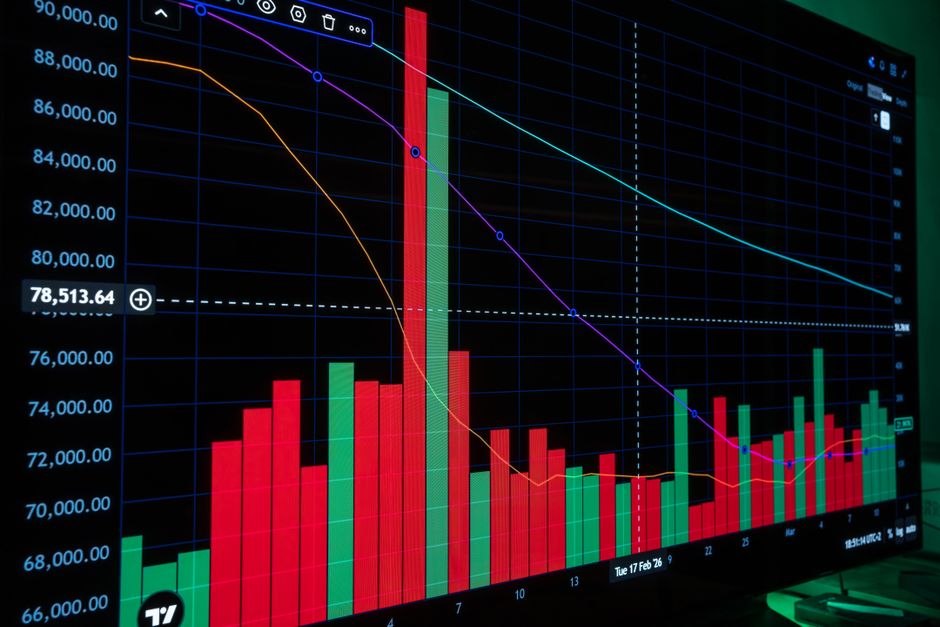
Former U.S. Treasury Secretary Robert Rubin has issued a stark warning regarding the economic risks stemming from the ongoing AI boom. On October 7, 2026, Rubin highlighted potential threats to the U.S. economy and financial markets, emphasizing that rapid advancements in artificial intelligence could lead to significant market volatility and economic instability.
This warning comes at a pivotal moment as investment banking executives and financial analysts grapple with the implications of AI technologies on their strategies. As firms increasingly integrate AI into their operations, the financial landscape is evolving, necessitating a reassessment of risk management approaches.
Market Volatility and AI Integration
Rubin’s insights suggest that the AI boom may exacerbate market volatility. Many financial analysts share this concern, noting that the swift deployment of AI technologies can lead to unpredictable shifts in market dynamics, often catching investors off guard. Research indicates that as AI tools become more prevalent, they can amplify existing market trends, resulting in sudden spikes or drops in asset values.
For instance, the use of AI in trading algorithms has already demonstrated its potential to cause erratic stock prices. Automated trading systems can react to market conditions in milliseconds, leading to flash crashes or exaggerated price movements. This unpredictability poses significant challenges for investment banking executives as they navigate a complex financial landscape.
Moreover, the integration of AI into financial decision-making raises critical questions about accountability and transparency. As algorithms dictate trading strategies, systemic risks may increase, compelling financial institutions to develop robust frameworks to manage these challenges. Rubin noted that the AI boom could create a disconnect between market performance and economic fundamentals, potentially giving investors a false sense of security and leading to market corrections when reality catches up with inflated valuations driven by AI hype.
Traditional risk management frameworks may not adequately capture the complexities introduced by AI, necessitating a reevaluation of existing methodologies.
Identifying Vulnerable Sectors
Research indicates that technology stocks and emerging markets are particularly susceptible to AI-induced volatility. Rapid innovation in these sectors can lead to significant shifts in investor sentiment, requiring analysts to remain vigilant as changes in these areas could impact the overall market. The potential for AI to disrupt traditional business models adds further complexity, as companies that fail to adapt may face severe consequences, affecting their stock prices and overall market stability.
 Industry & Global Trends
India Set for Back-to-Back Rate Hikes as Inflation Risks Mount
The Reserve Bank of India is poised to implement consecutive interest rate hikes in response to rising inflation driven by various economic factors.
Read More →In light of Rubin’s warnings, financial analysts and investment banking executives must adopt proactive strategies to mitigate the economic risks associated with the AI boom. One approach is to enhance risk assessment models to address the unique challenges posed by AI technologies. Traditional risk management frameworks may not adequately capture the complexities introduced by AI, necessitating a reevaluation of existing methodologies.
Proactive Strategies for Financial Professionals
To protect against potential losses from AI-related disruptions, firms should diversify their investment portfolios. By spreading investments across various sectors and asset classes, analysts can reduce their exposure to market volatility. Identifying sectors that are resilient to AI changes, such as renewable energy and healthcare, may offer more stable returns.

Collaboration between technology and finance teams can also enhance understanding of AI’s effects on market behavior. By integrating insights from AI specialists, financial analysts can better anticipate market movements and make informed decisions. This collaborative approach can lead to the development of more sophisticated trading algorithms that consider AI’s impact on market dynamics.
Investment banking executives should prioritize continuous education and upskilling to stay informed about AI advancements. As the technology evolves, understanding its implications for financial markets is crucial for making informed investment decisions. Firms that emphasize AI literacy among their teams are better positioned to navigate the complexities of the evolving landscape.
Socio-Economic Considerations
Additionally, the potential for job displacement due to AI advancements adds another layer of complexity to the economy. The fear of widespread job losses could decrease consumer spending, further impacting market stability. Financial analysts must consider these socio-economic factors when evaluating AI’s long-term implications on the economy.
Investment banking executives should prioritize continuous education and upskilling to stay informed about AI advancements.
 Industry & Global Trends
AI Boom Sparks Economic Risk Concerns
Georgieva's remarks come ahead of the annual meetings of the IMF and World Bank, where discussions on global economic stability are paramount.
Read More →As the AI boom reshapes the economy, certain sectors are emerging as key players. Rubin’s warnings highlight the need to recognize these sectors for strategic investment decisions. Technology, healthcare, and renewable energy are identified as sectors likely to see significant growth from AI advancements. The technology sector, particularly companies focused on AI development, is poised for substantial investment.
Firms that leverage AI to enhance their products and services are likely to attract more capital, making them attractive investments. However, this sector’s volatility necessitates careful consideration of specific companies and their AI strategies. In healthcare, AI integration in diagnostics, treatment planning, and patient management is transforming operations, presenting lucrative investment opportunities.

As the AI boom evolves, staying informed about these emerging sectors will be crucial for financial analysts and investment banking executives. The ability to identify and invest in resilient sectors can provide a competitive edge in navigating market uncertainties. Rubin’s warning serves as a reminder of the complexities introduced by the AI boom, urging financial professionals to adapt their strategies to the rapidly changing landscape shaped by AI.
Frequently Asked Questions
What should financial analysts consider regarding AI’s impact on the economy?
Financial analysts should consider the potential for increased market volatility and the need for updated risk assessment models. Sectors vulnerable to AI disruptions may face significant fluctuations, necessitating a proactive approach to investment strategies.
Financial analysts should consider the potential for increased market volatility and the need for updated risk assessment models.
How can investment banking executives prepare for potential market shifts due to AI?
Investment banking executives can prepare by diversifying their portfolios and enhancing collaboration between finance and technology teams. Continuous education on AI advancements will also help them make informed decisions in an evolving market.

What strategies can financial professionals adopt to mitigate risks associated with the AI boom?
Financial professionals can adopt strategies such as updating risk assessment models, diversifying investments, and fostering collaboration with AI specialists. These approaches can enhance their ability to navigate the complexities introduced by AI technologies.
 Industry & Global Trends
BlackRock Says Higher Yields Not Necessarily Bad for Markets
BlackRock suggests that rising yields may present new investment opportunities, challenging traditional views on fixed income and equity markets.
Read More →Written by Career Ahead AI. AI can make mistakes, so verify key facts. Report errors to support@careeraheadonline.com.