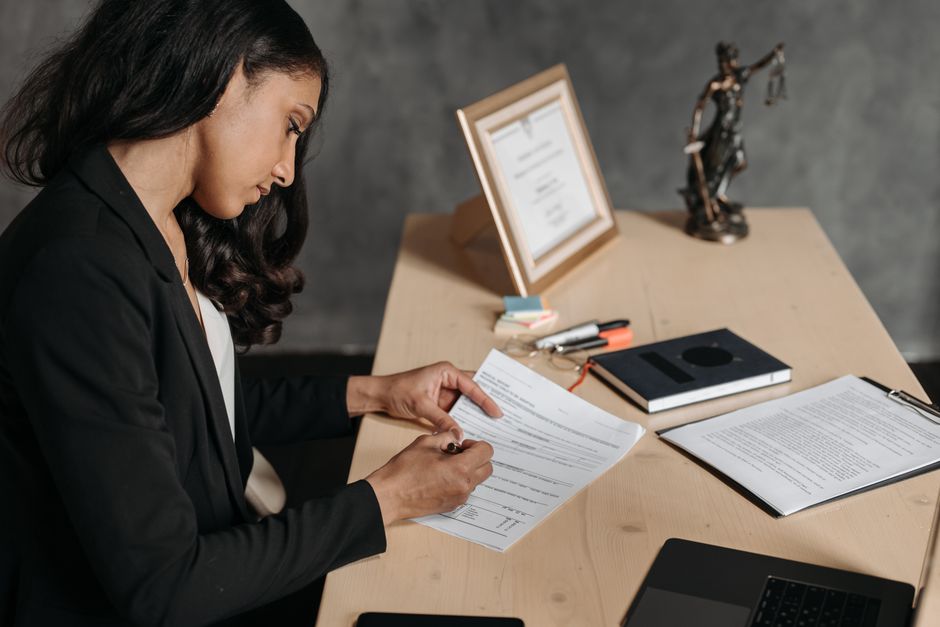
Crosby removed lawyer supervision from some AI-assisted legal tasks after its AI liability policy took effect this week.
Crosby uses AI for contract review and paralegal work
Ryan Daniels, founder of the artificial intelligence law firm Crosby, built a service that relies on AI for most of its contract review. About sixty lawyers oversee that work. Crosby advertises a flat rate and a turnaround as short as an hour to review a nondisclosure agreement. Those details describe the firm’s current offering: AI handles much of the review, while lawyers supervise the process and clients receive a stated price and turnaround.¹
Daniels wants AI agents to handle some tasks without a person involved in each step. Crosby’s policy covers liability for paralegal tasks that sit between clerical work and the practice of law. Examples include answering a question about a document, reformatting a document and applying a set of legal playbook rules to one. Crosby says these gray-area tasks account for about twenty percent of its work. The coverage concerns work that can be difficult to classify as either clerical support or legal practice.¹
The shift raises a question about what a professional liability policy covers when a machine produces work without a lawyer’s supervision.
The shift raises a question about what a professional liability policy covers when a machine produces work without a lawyer’s supervision. David Freeman Engstrom, a professor at Stanford Law School who teaches a course on the future of the law firm, said an insurer could argue that such output is not a service rendered “as a lawyer.” On that basis, he said, the output could fall outside the policy. The distinction turns on whether the service counts as legal work performed by a lawyer.¹
 Government & Policy
AI-Generated Contracts Are Creating a Legal Gray Zone for Work
By 2029, a measurable share of the workforce will operate under "dynamic contracts" that reclassify employees as licensed digital assets.
Read More →AI liability coverage is becoming harder to find in standard policies
Daniels spent about six months securing five million dollars of AI liability insurance. He eventually found coverage through Testudo, a two-year-old insurance company with one billion dollars of underwriting capacity backed by Lloyd’s of London. The search shows the specific insurance mechanism behind Crosby’s move toward less-supervised work: the firm obtained a policy tied to AI liability before changing its oversight of the tasks it classifies in a gray area.¹
The Insurance Services Office, which develops standard policy language, introduced exclusions for some losses caused by generative AI. Carriers could add those exclusions to commercial general liability policies in January. As of April, at least sixteen of the twenty largest liability insurers had filed with state regulators for permission to exclude generative AI from policies. The filings indicate that exclusions were being pursued by many of the largest insurers, while separate providers sought to cover risks that standard policies might leave out.¹
Testudo, Harbor and the Artificial Intelligence Underwriting Company have positioned themselves to fill emerging coverage gaps. Most of Testudo’s clients are established businesses, including banks, airports and hospitals, said George Lewin-Smith, the company’s CEO. That client base extends beyond law firms: Testudo’s customers include businesses in several sectors, while Crosby’s policy addresses liability associated with AI-assisted legal and paralegal work.¹

Law firm insurers are seeing more AI-related claims
A survey of thirteen providers of legal professional liability insurance found that the group together covers more than eighty percent of the largest two hundred law firms. Seven providers said they had seen an increase in AI-related claims in the last year. The responses show that insurers serving law firms have encountered more claims connected to AI, even as policy language and coverage for specific AI-assisted tasks remain part of the discussion.¹
California passed a law in September stating that an attorney shall not delegate the practice of law to generative artificial intelligence. Crosby’s policy addresses a different but connected question: liability for tasks that may fall between clerical work and legal practice. Its covered examples include handling document questions, changing document formats and applying legal playbook rules. Together, the policy and the state law mark two distinct boundaries for AI-assisted legal work: what insurance covers and what an attorney may delegate.¹
 Government & Policy
AI Co-Workers Are Now a Legal Liability—And Courts Are Divided
The Meta case could set a precedent for algorithmically driven discrimination claims.
Read More →That client base extends beyond law firms: Testudo’s customers include businesses in several sectors, while Crosby’s policy addresses liability associated with AI-assisted legal and paralegal work.¹
Check Your AI Liability Coverage
If you use AI in your legal or paralegal work, ask your insurer whether your policy covers tasks that fall between clerical work and legal practice. Crosby removed lawyer supervision from gray-area tasks after securing a dedicated AI liability policy, but standard commercial general liability policies increasingly exclude generative AI losses. Sixteen of the twenty largest liability insurers filed to add such exclusions, so your current coverage may not protect you. Confirm whether your policy names AI-assisted work or leaves it uncovered.¹
Consider how your firm's oversight structure affects both liability and client expectations. Crosby advertises a flat rate with turnaround as short as an hour for nondisclosure agreements, while relying on AI for most contract review. If you reduce human supervision, your insurer may argue the output is not a service rendered as a lawyer, leaving claims outside your policy. Also note California law bars attorneys from delegating the practice of law to generative AI, so check which tasks you can automate without crossing that line.¹
Sources
Written by Career Ahead AI. AI can make mistakes, so verify key facts. Report errors to support@careeraheadonline.com