No products in the cart.

Crusoe Raises $3.9B for AI Data Centers and Modular Factories
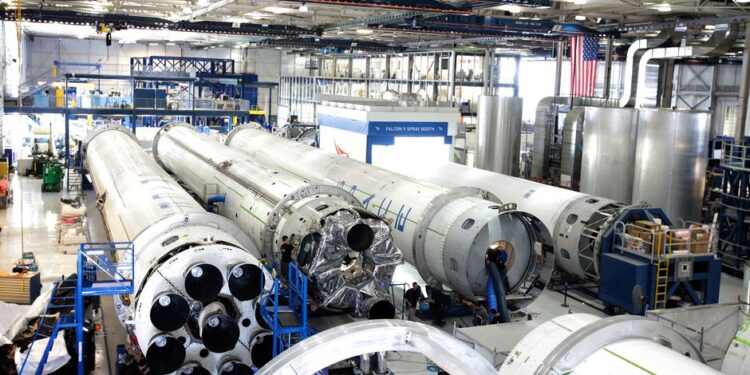
Crusoe's recent $3.9 billion funding round marks a pivotal moment in AI infrastructure, creating significant job opportunities for data center engineers and AI factory designers. This expansion reflects the growing demand for modular AI solutions and energy-efficient computing.

Crusoe raised $3.9 billion in a Series F funding round on September 17, 2026. This funding aims to expand its AI infrastructure capabilities, pushing the company’s valuation to $30.9 billion. The investment is a significant boost for the data center and AI factory sectors, co-led by Atreides Management, Mubadala Capital, and Valor Equity Partners, with participation from major investors like Nvidia and the Qatar Investment Authority.
The funding will facilitate the development of large-scale data centers and smaller modular AI factories. These modular factories, known as Spark, can be deployed faster than traditional setups, allowing for quicker deployment and less community resistance. This shift towards modular solutions is vital to meet the growing demand for AI computing power.
Growing Need for Skilled Data Center Engineers
The investment in Crusoe’s infrastructure indicates a rising demand for data center engineers. As the company expands, it will require more skilled engineers to design, build, and maintain these facilities. Career Ahead analysis estimates that Crusoe’s data center growth will create thousands of new jobs in the coming years, particularly for engineers focused on energy-efficient and sustainable design.
Data center engineers must adapt to the unique needs of modular AI factories, which prioritize flexibility and efficiency. Engineers will need traditional skills alongside a solid understanding of energy management and sustainable practices. The push for greener technologies is now a key factor in designing and operating new data centers.
The job market for data center engineers is evolving. Major companies like Meta and Microsoft rely on Crusoe’s infrastructure, giving engineers the opportunity to negotiate better salaries and benefits. This trend is expected to attract more talent to the field, increasing the demand for skilled professionals.
Alongside job creation, the expansion will likely lead to new training programs and partnerships with educational institutions. As the industry evolves, universities and technical schools may offer specialized courses focusing on modular data center design and energy-efficient computing solutions, preparing the next generation of engineers.
This trend is expected to attract more talent to the field, increasing the demand for skilled professionals.
Innovative Opportunities for AI Factory Designers
The rise of modular AI factories presents unique opportunities for AI factory designers. These compact and efficient facilities allow for quick deployment in various locations. Career Ahead research indicates that as Crusoe increases production of these modular units, designers will play a crucial role in creating innovative solutions that meet both technical and environmental standards.
AI factory designers need to optimize space and energy use while ensuring high-performance computing. This includes integrating advanced technologies like AI-driven resource management and cloud computing. Designers who can effectively combine these elements will be in high demand as companies strive to improve operational efficiency.
The modular approach also allows for customization based on client needs. Designers will collaborate closely with clients to develop tailored solutions that enhance their AI capabilities. This collaborative method will not only improve client satisfaction but also foster innovation within the industry.
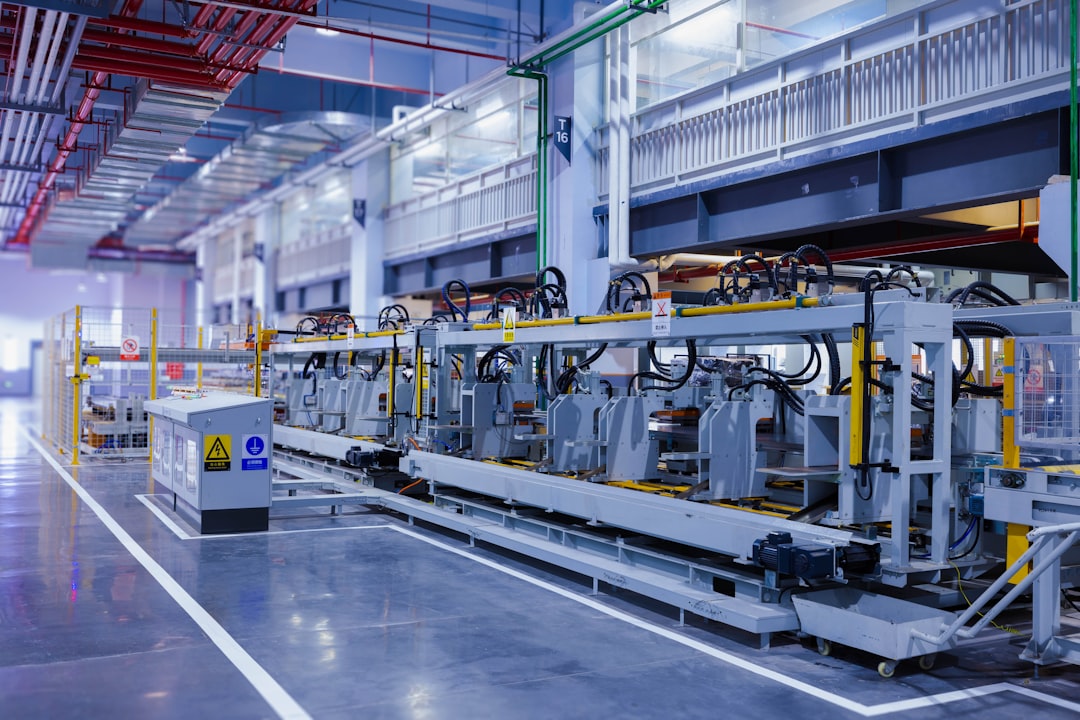
The trend towards modularization in AI infrastructure may ignite interest in research and development. Designers and engineers will explore new materials and technologies to enhance the efficiency and sustainability of AI factories, contributing to a more eco-friendly tech landscape.
Broader Implications for the Tech Industry
Crusoe’s investment underscores a broader trend in the tech industry towards sustainable and efficient AI solutions. As companies recognize the importance of energy management and environmental impact, the demand for innovative data center solutions is expected to grow. This shift may lead to changes in industry standards and practices, encouraging more companies to adopt similar approaches.
The trend towards modularization in AI infrastructure may ignite interest in research and development.
The investment in modular AI factories could also influence regulatory policies related to data centers and energy use. Communities are increasingly concerned about the environmental impact of large data centers, and companies demonstrating a commitment to sustainability are likely to gain a competitive edge. This may encourage policymakers to support initiatives promoting cleaner technologies in the tech sector.
Furthermore, expanding Crusoe’s infrastructure is anticipated to boost economic growth in areas where these facilities are established. The influx of jobs and investment will benefit local economies, creating a ripple effect across various sectors. As demand for skilled workers rises, local educational institutions may receive support to enhance training programs, aiding community development.

As the AI landscape evolves, Crusoe’s investment will have lasting implications beyond immediate job creation. The focus on modular and sustainable solutions may set new benchmarks for the industry, influencing how future data centers are designed and operated.
The future of AI infrastructure looks promising, with Crusoe leading the way. Successfully implementing modular data centers may inspire other companies to follow suit, reshaping the industry landscape. This evolution is crucial for meeting the growing demand for AI capabilities while addressing environmental concerns.
Skills in energy management, modular design, and advanced computing technologies will be crucial as the industry shifts toward more efficient and eco-friendly solutions.
Frequently Asked Questions
What skills do data center engineers need for new AI facilities?
Data center engineers need a mix of traditional engineering skills and knowledge of sustainable practices. Skills in energy management, modular design, and advanced computing technologies will be crucial as the industry shifts toward more efficient and eco-friendly solutions.
How can AI factory designers prepare for emerging technologies?
AI factory designers should focus on integrating advanced technologies like AI-driven resource management and cloud computing. Continuous learning and adapting to new materials and design techniques will be essential to stay competitive in this evolving field.

What should data center engineers do about the rise of modular AI factories?
Data center engineers should enhance their skills in modular design and energy-efficient technologies. Engaging in training programs and collaborating with educational institutions can help them adapt to the changing landscape of AI infrastructure.
Written by Career Ahead AI. AI can make mistakes, so verify key facts. Report errors to support@careeraheadonline.com.